Photo Gallery
The Conference in Pictures
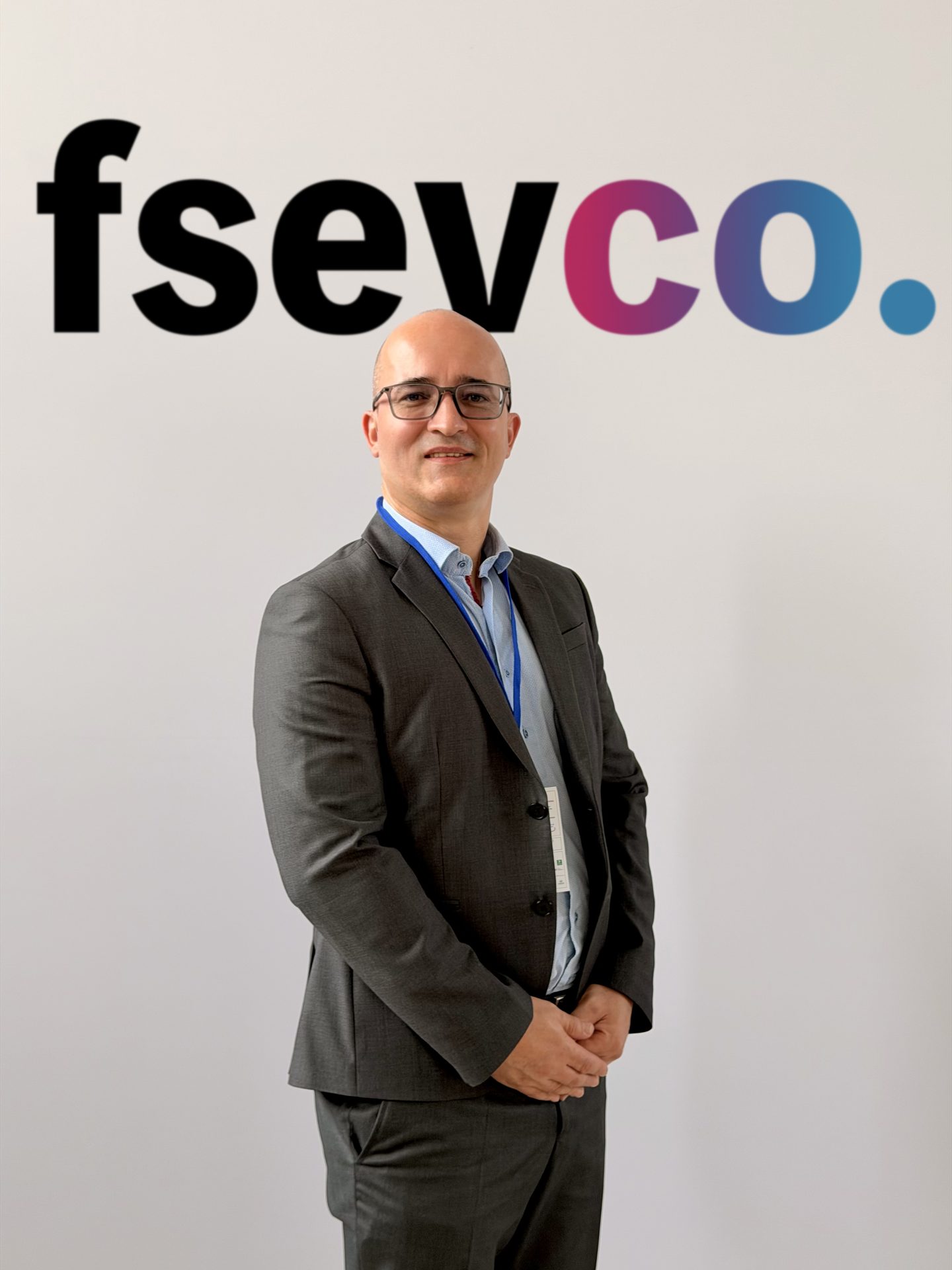
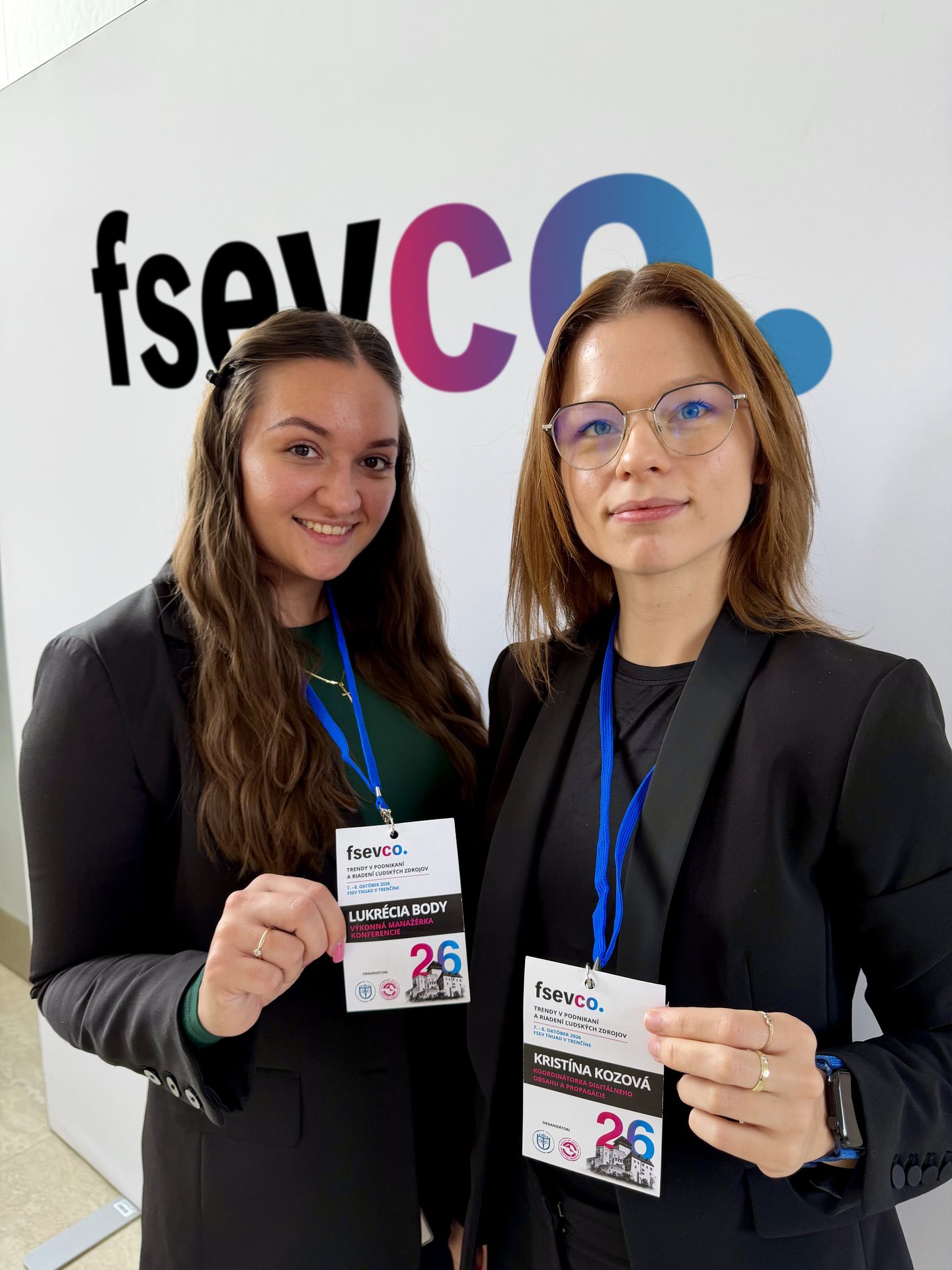
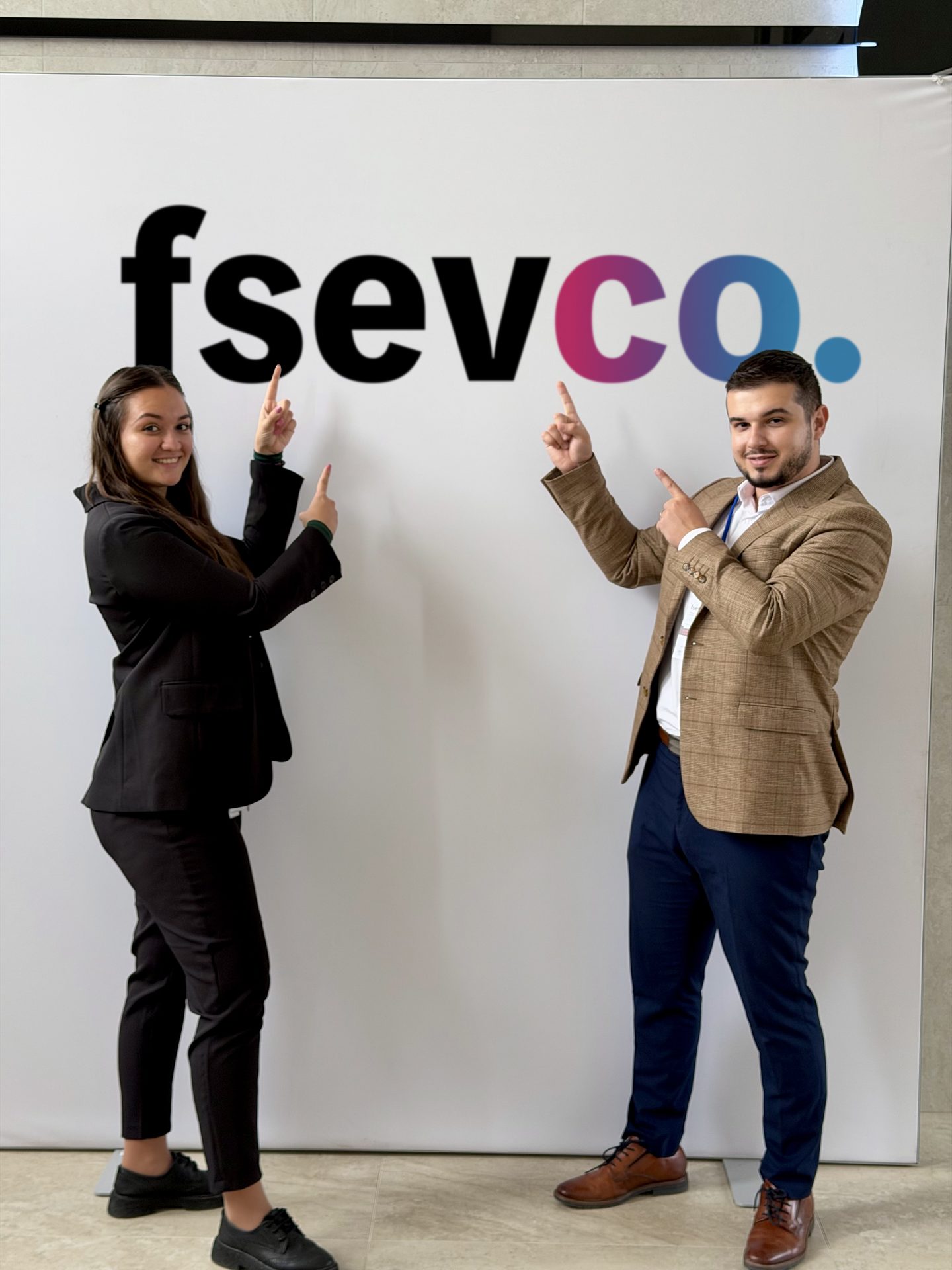
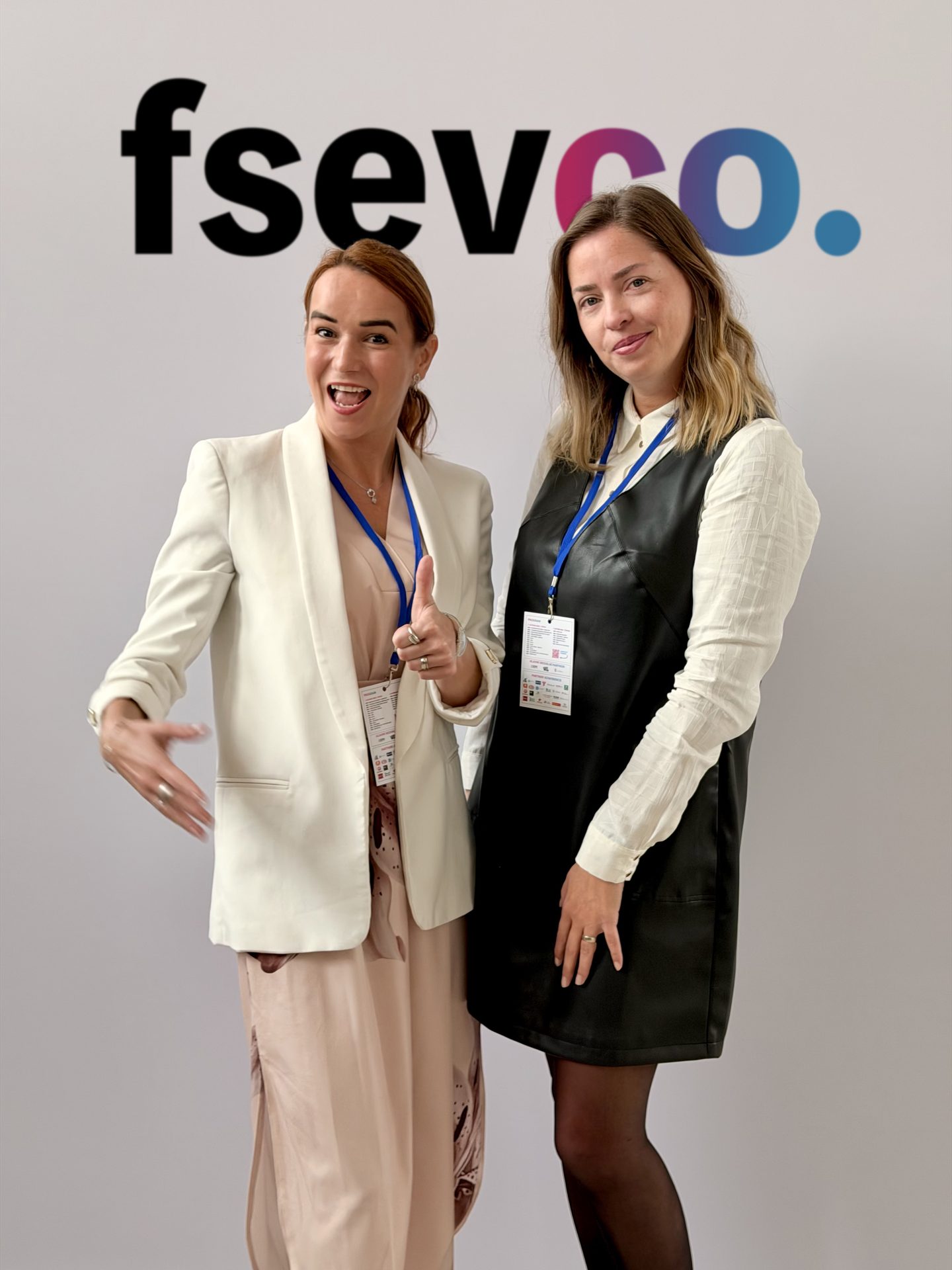
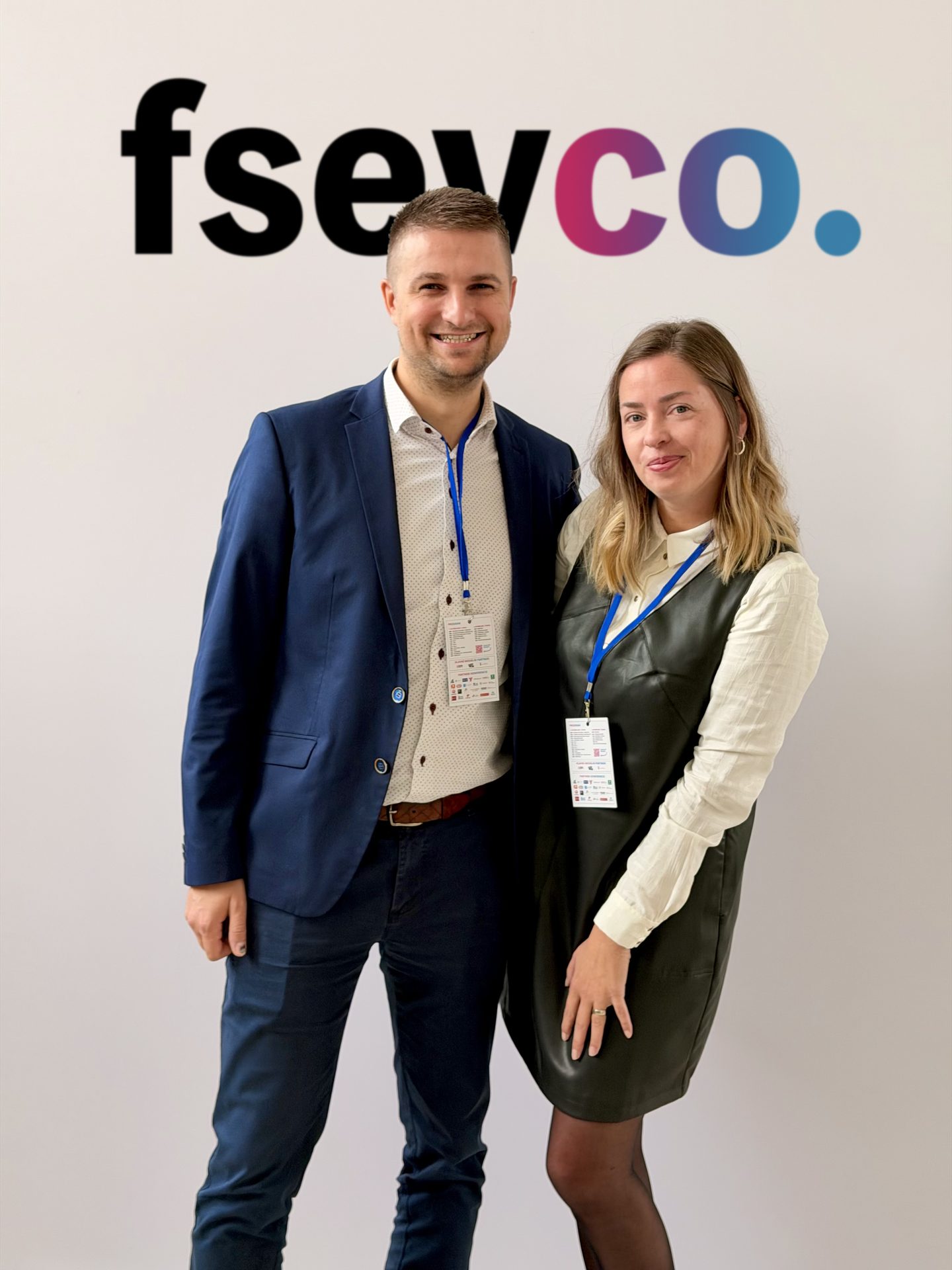
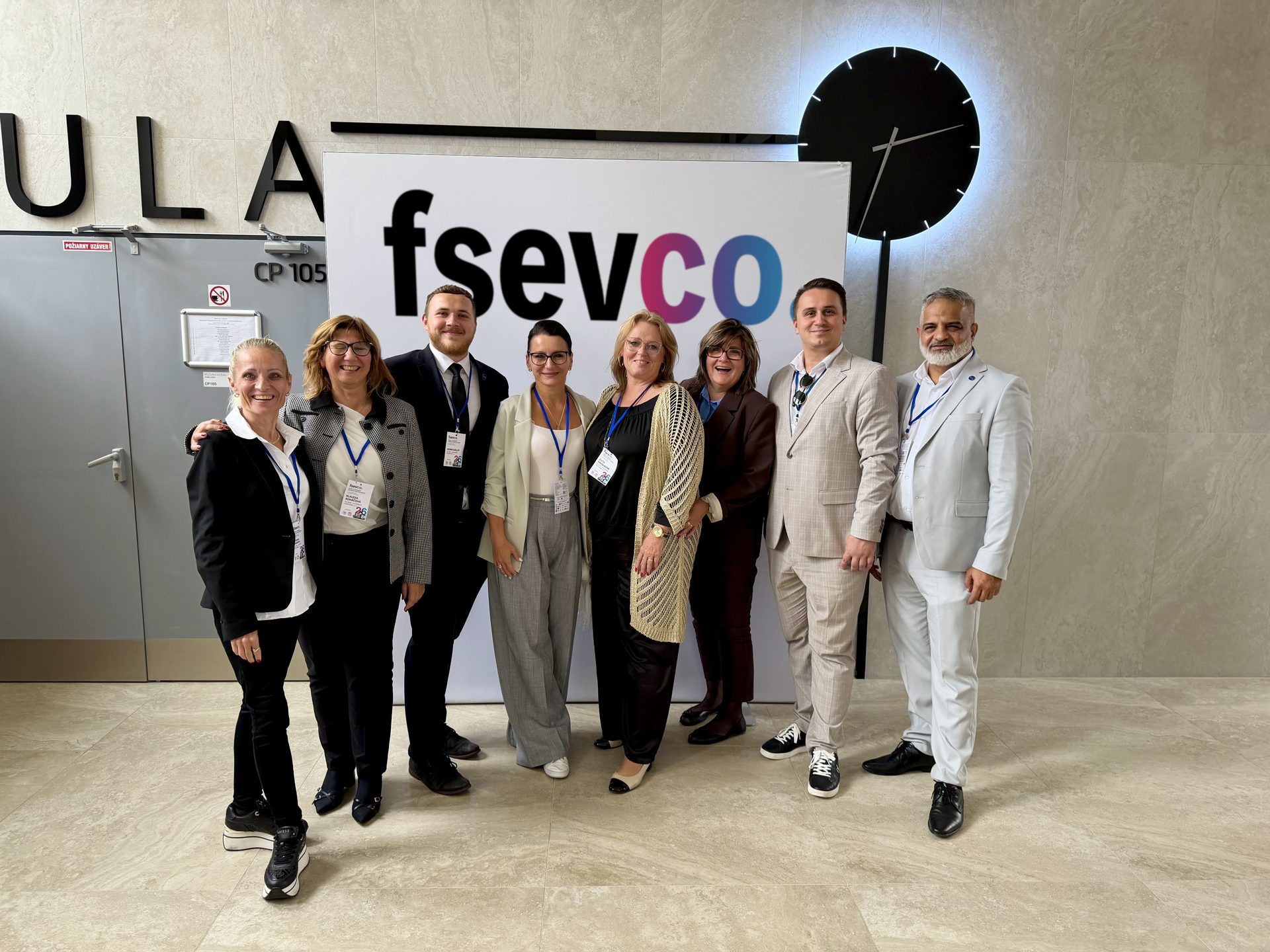
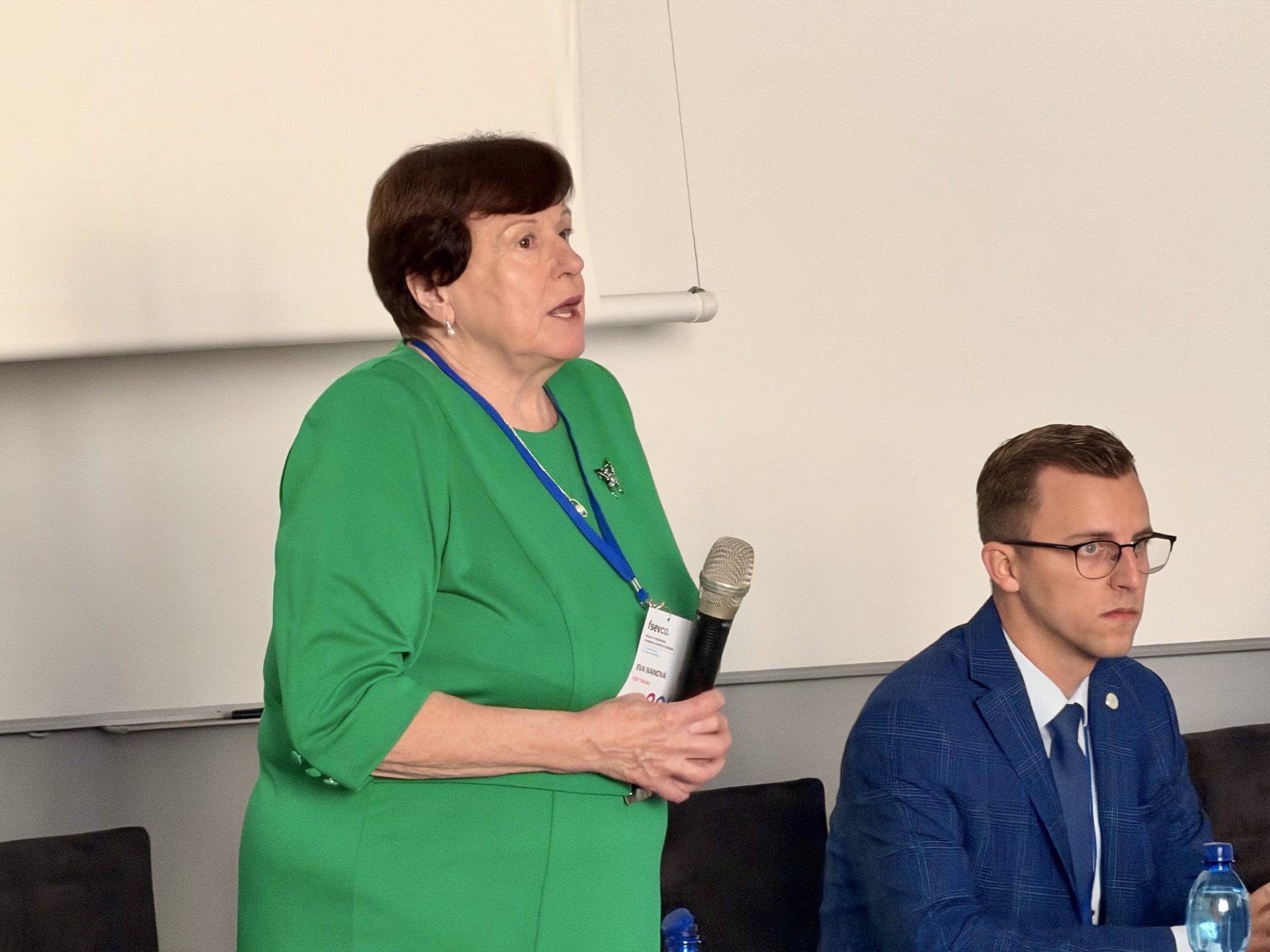
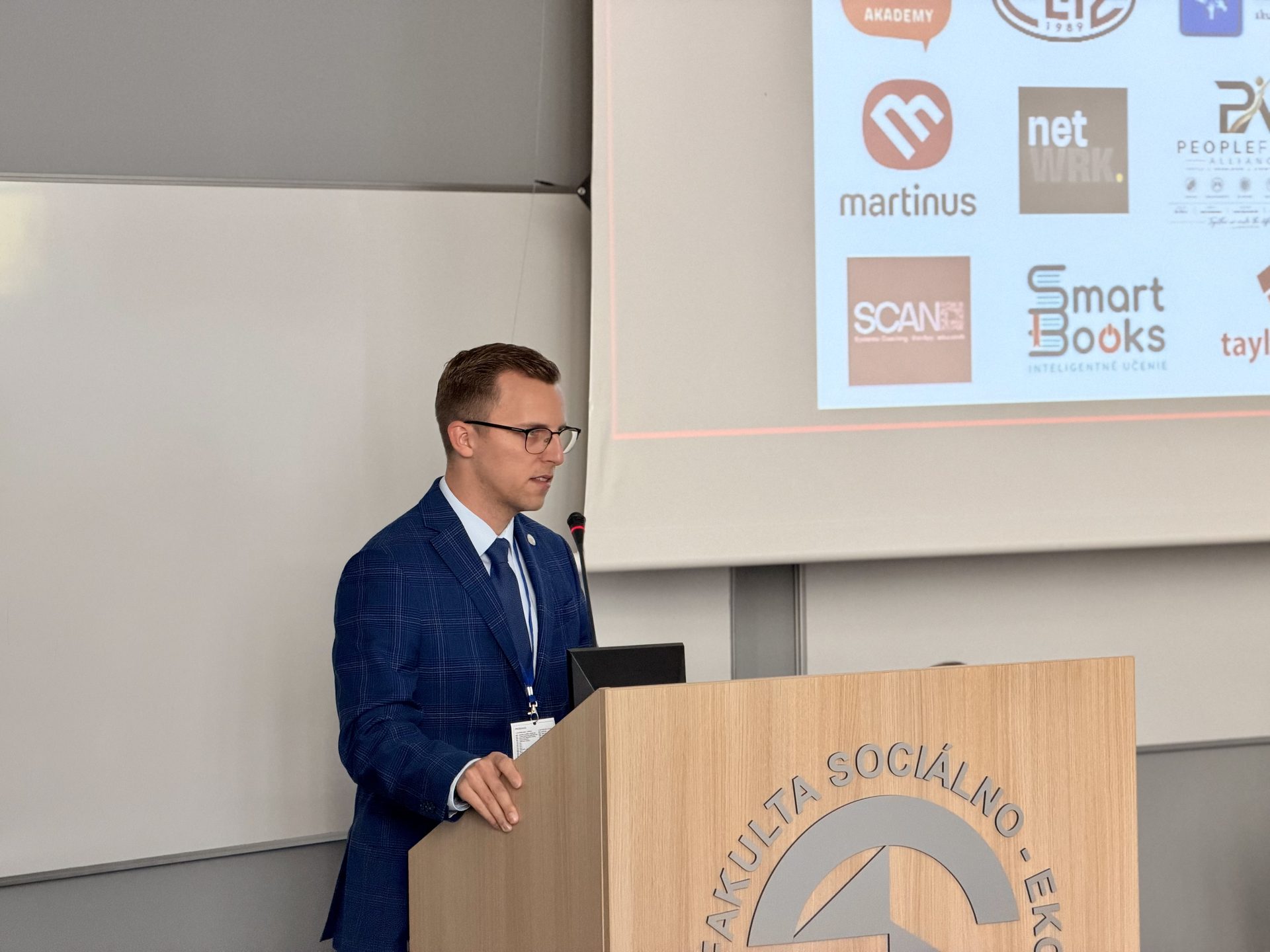
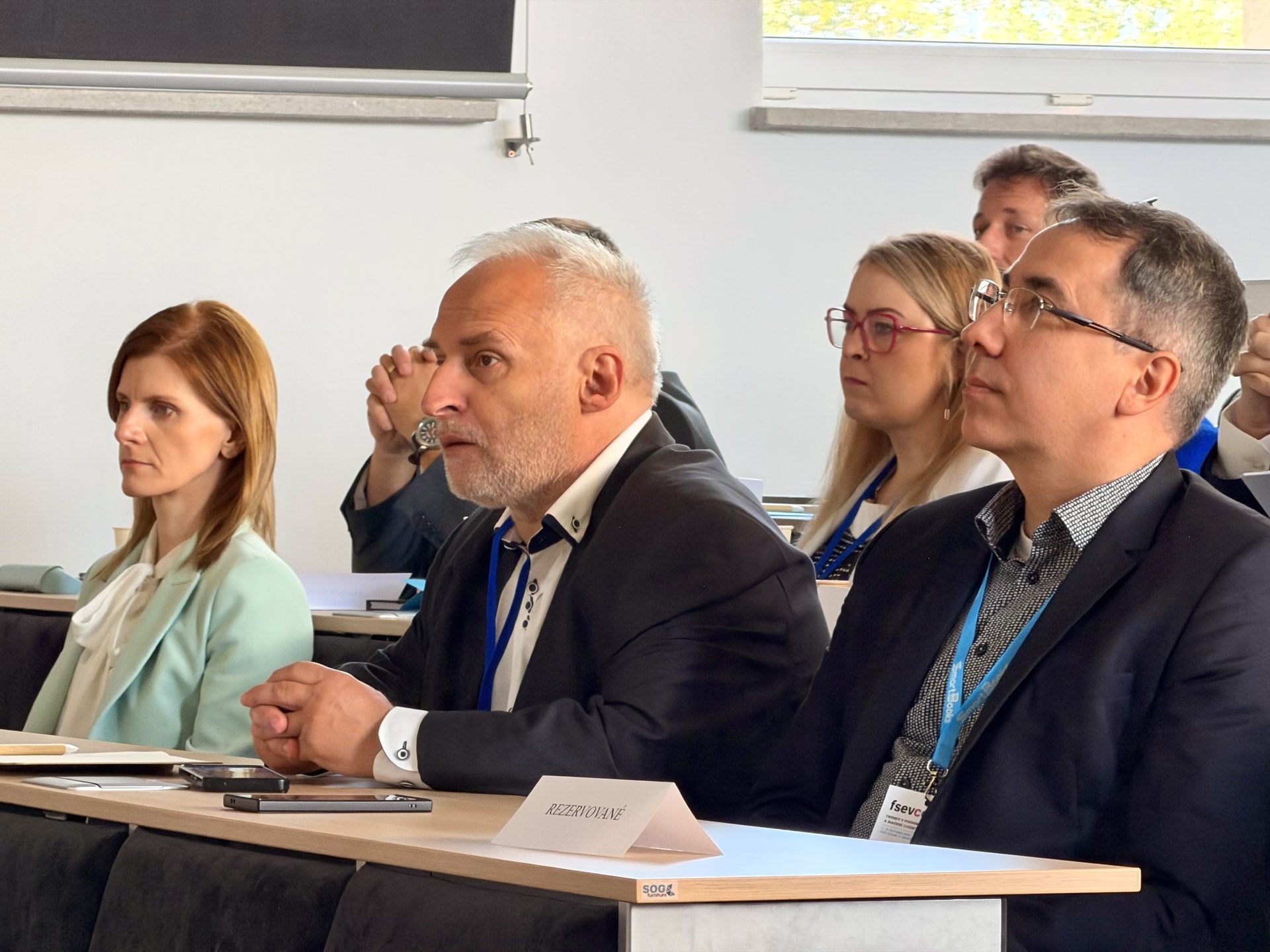
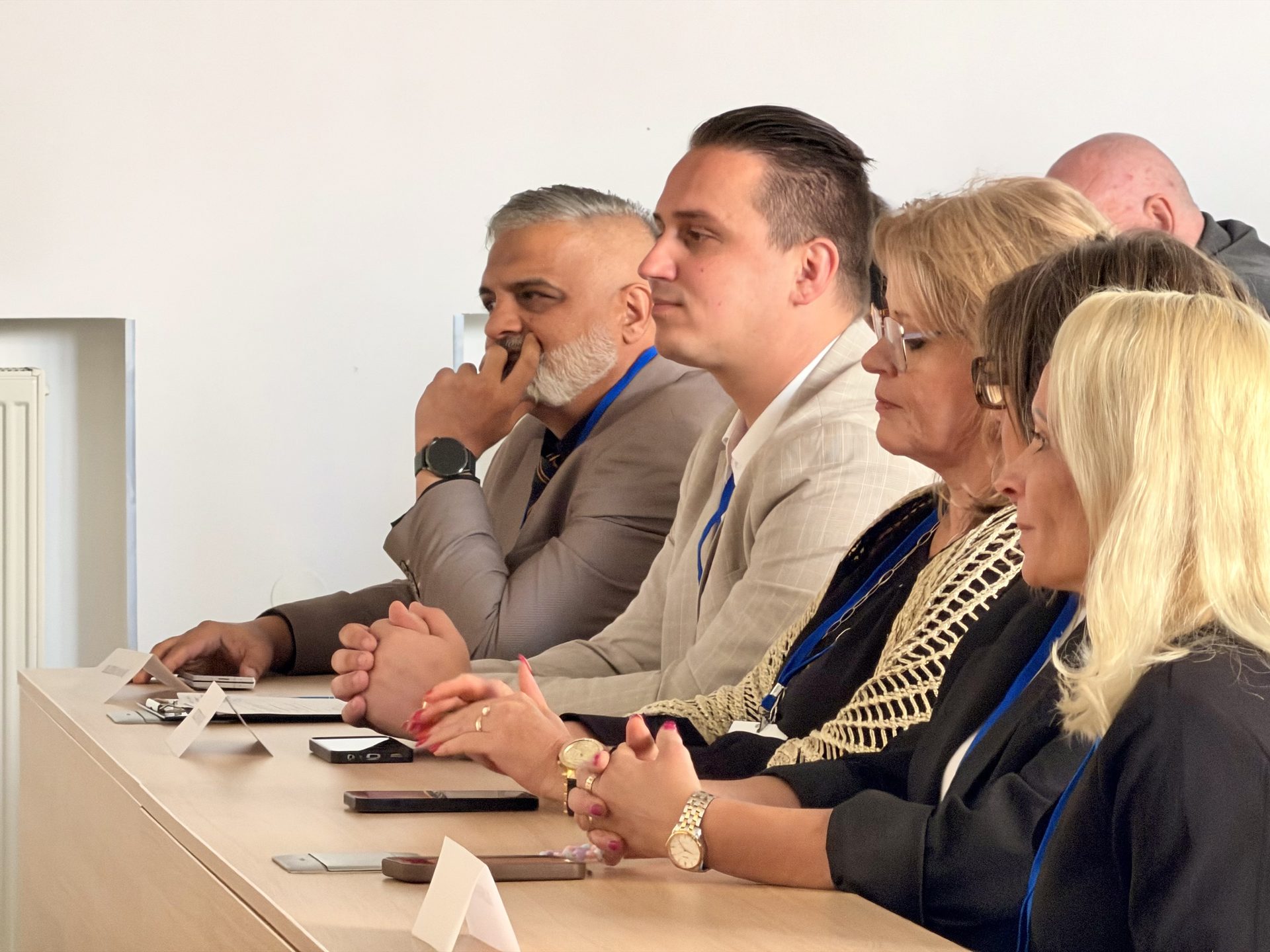
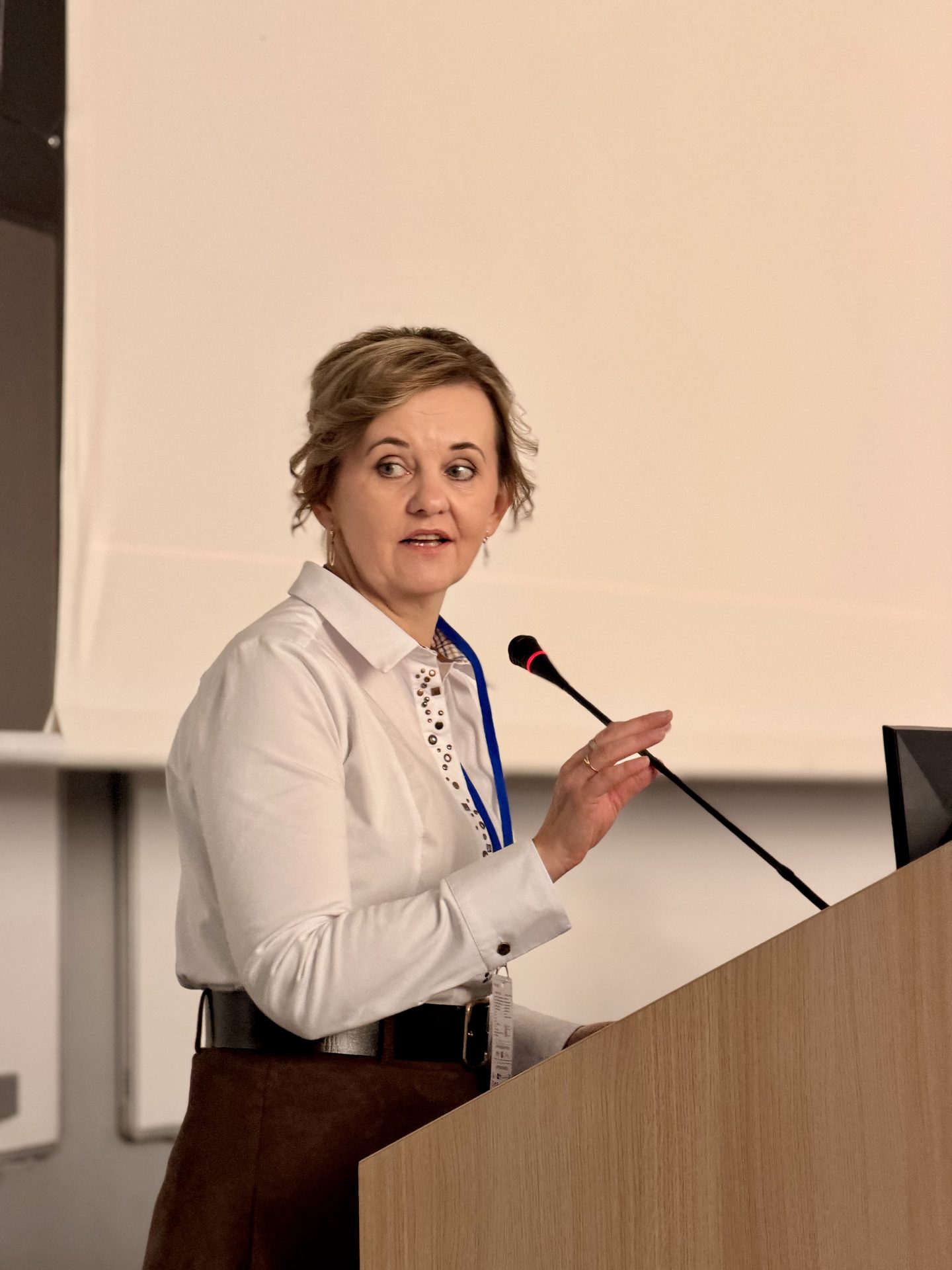
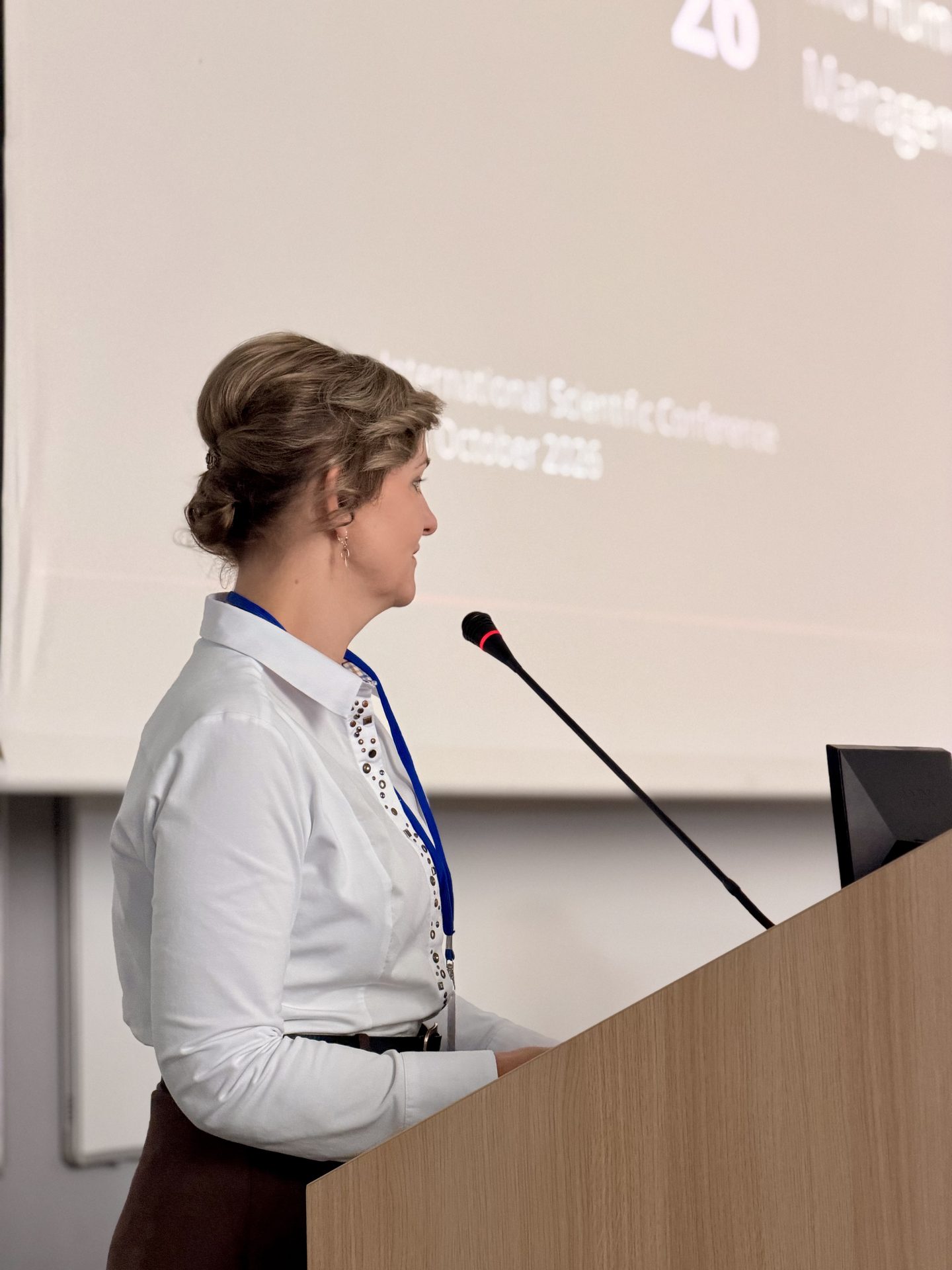
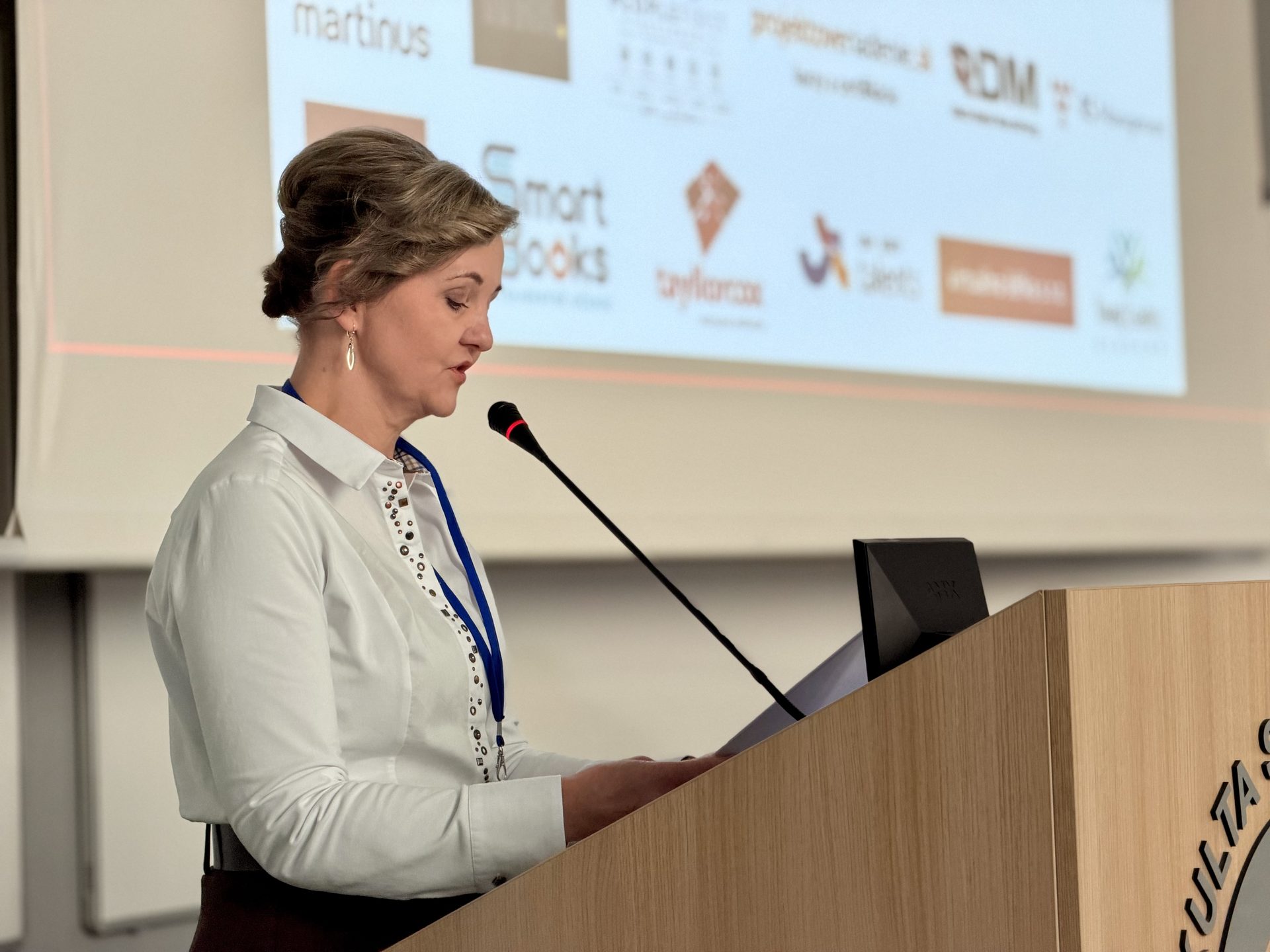
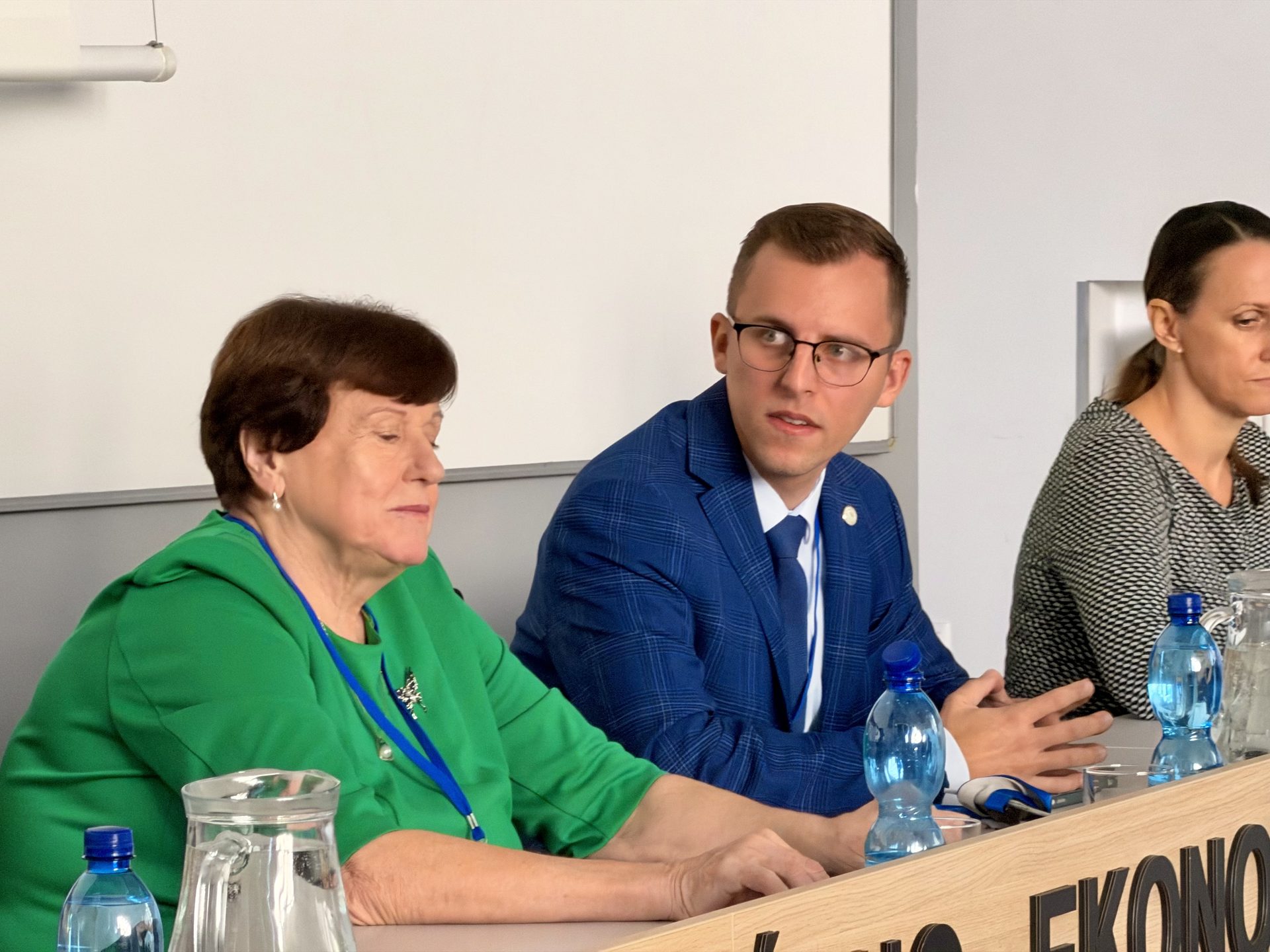
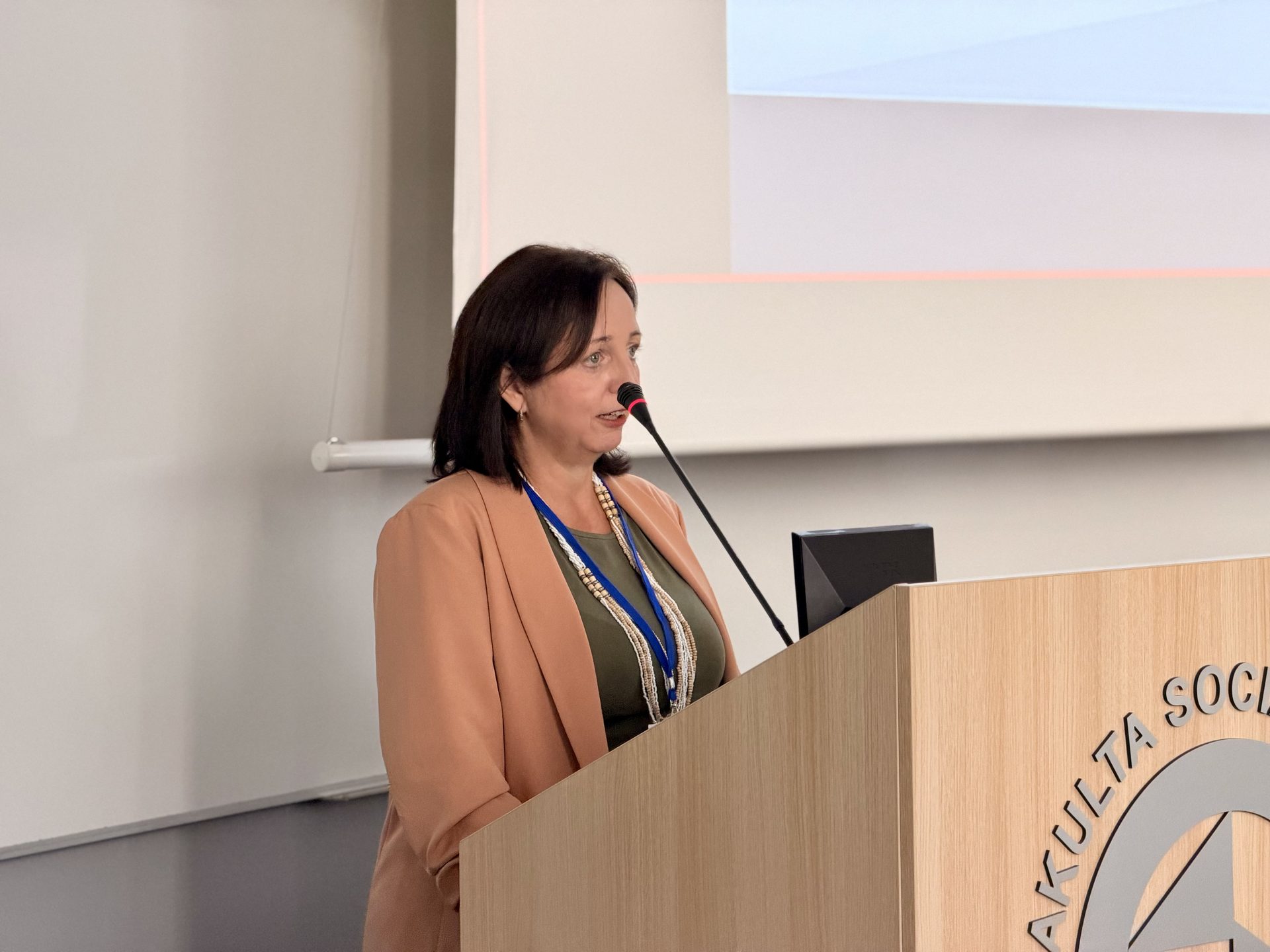
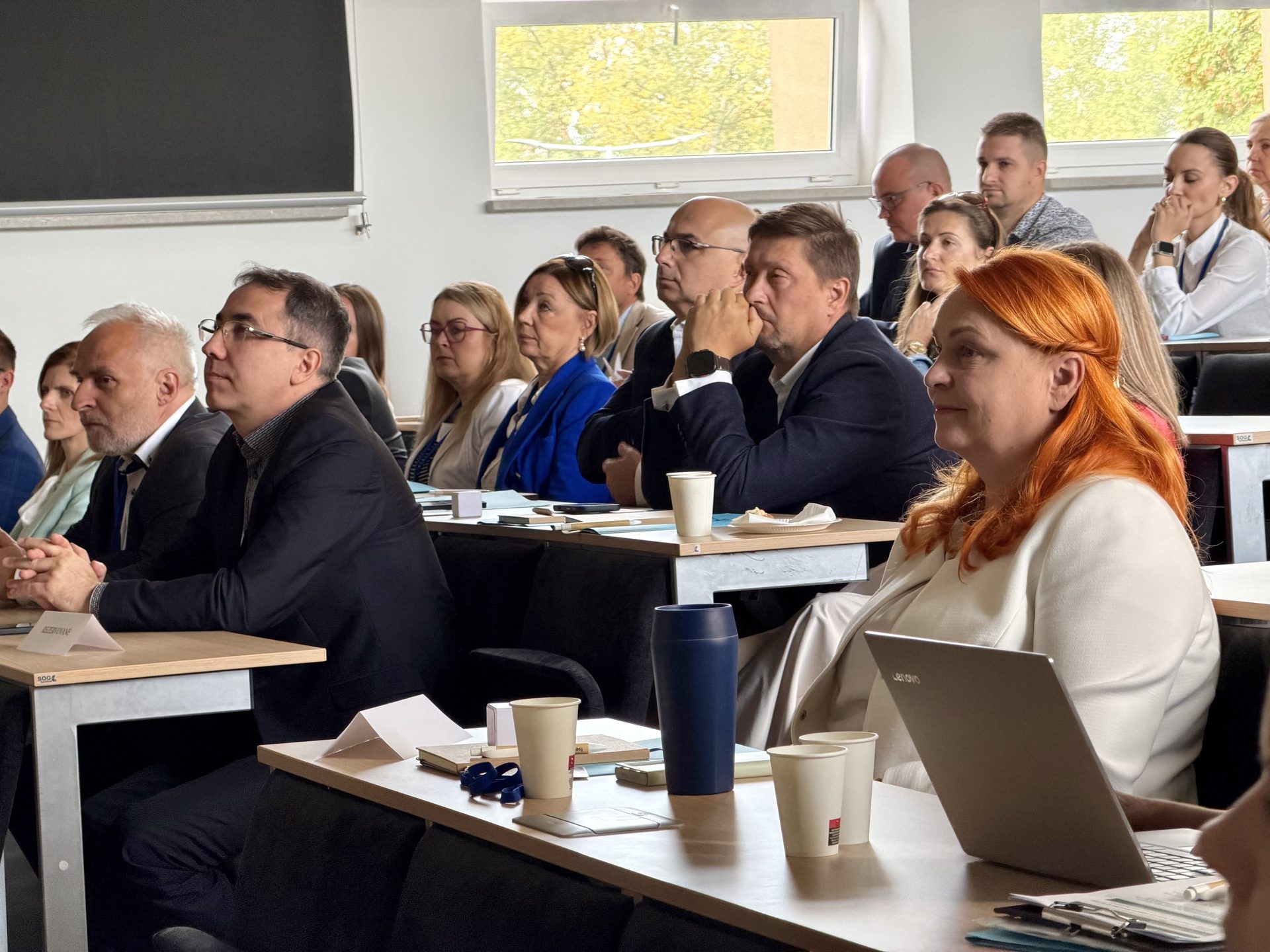
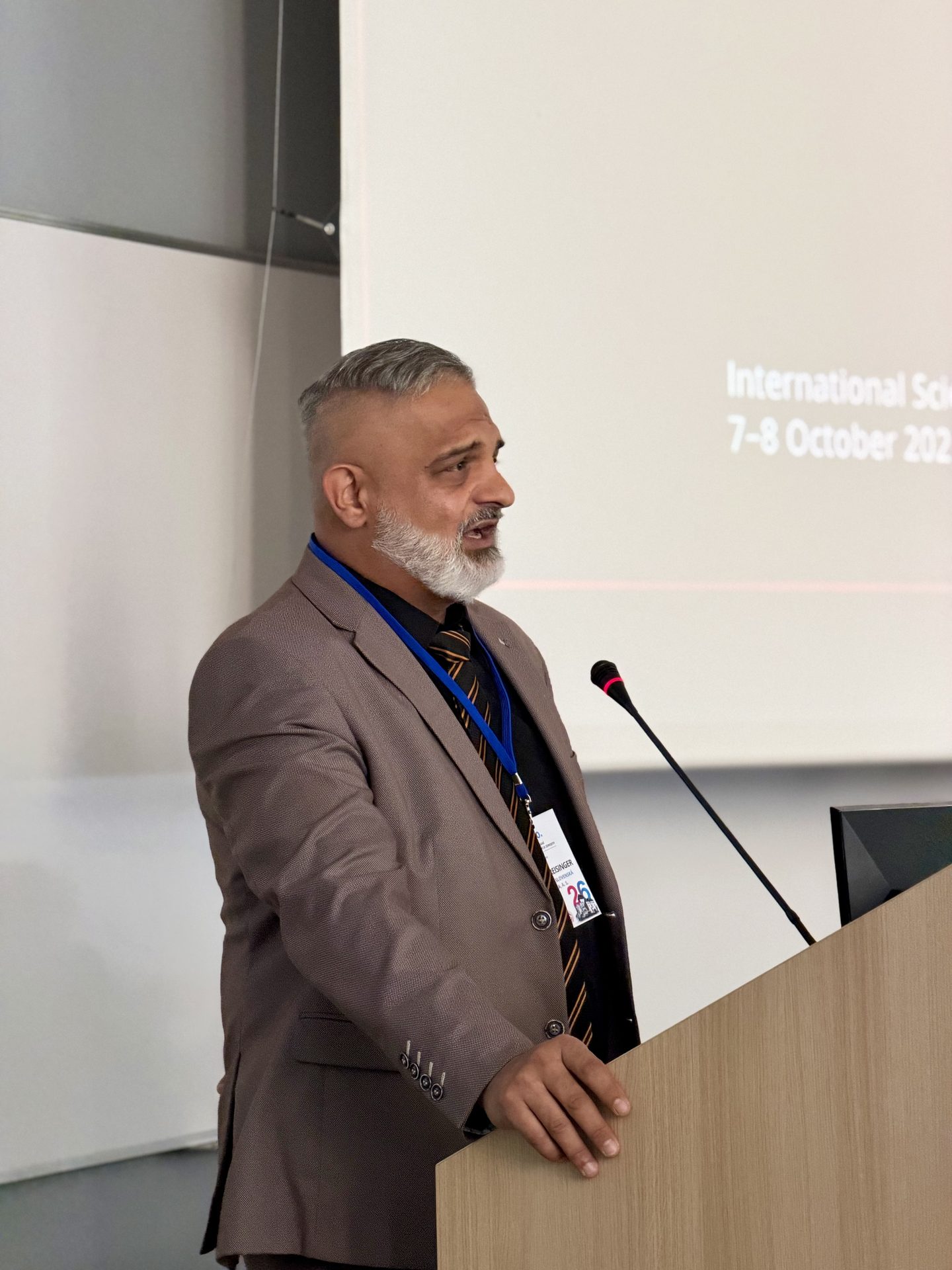
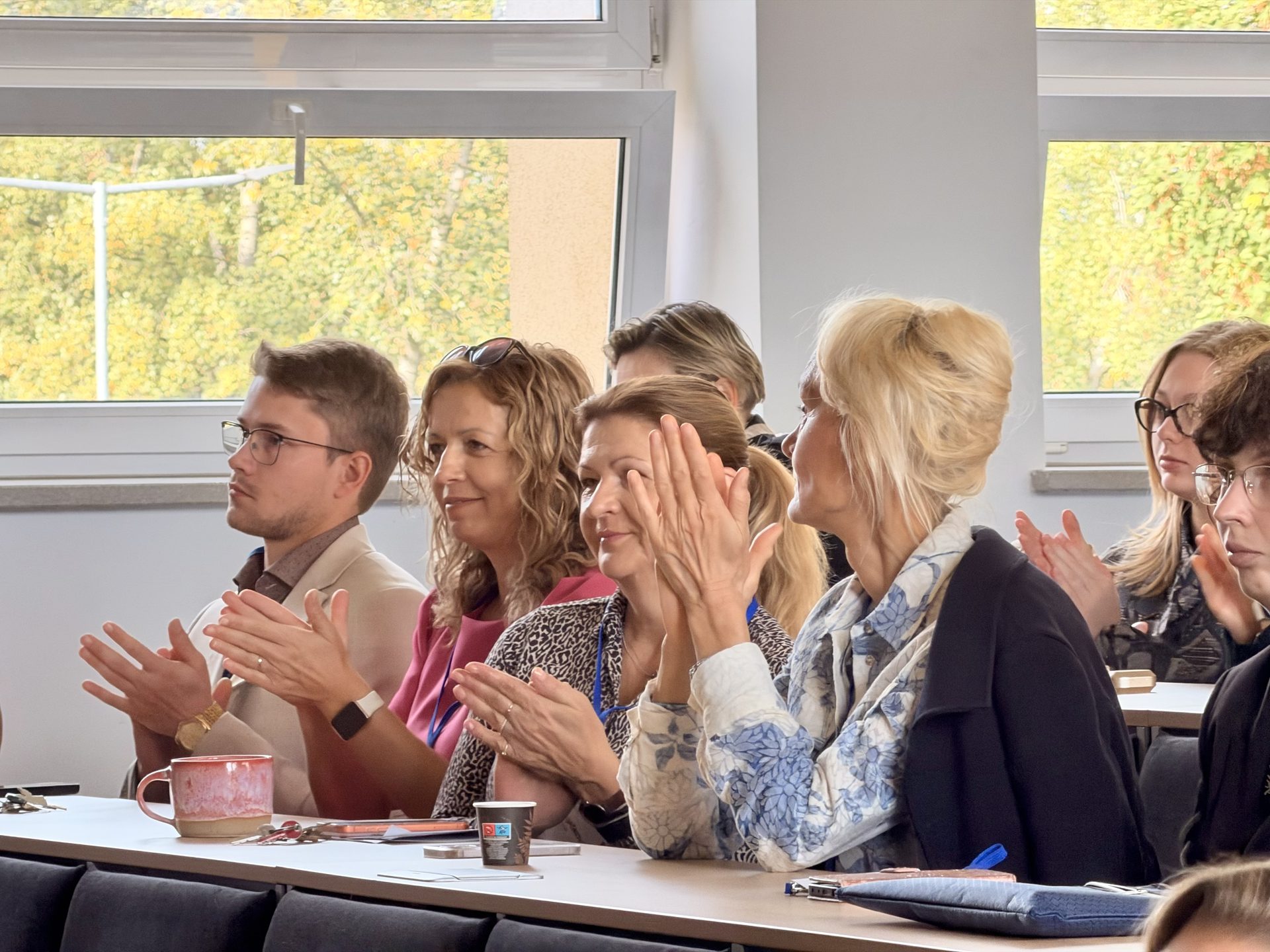
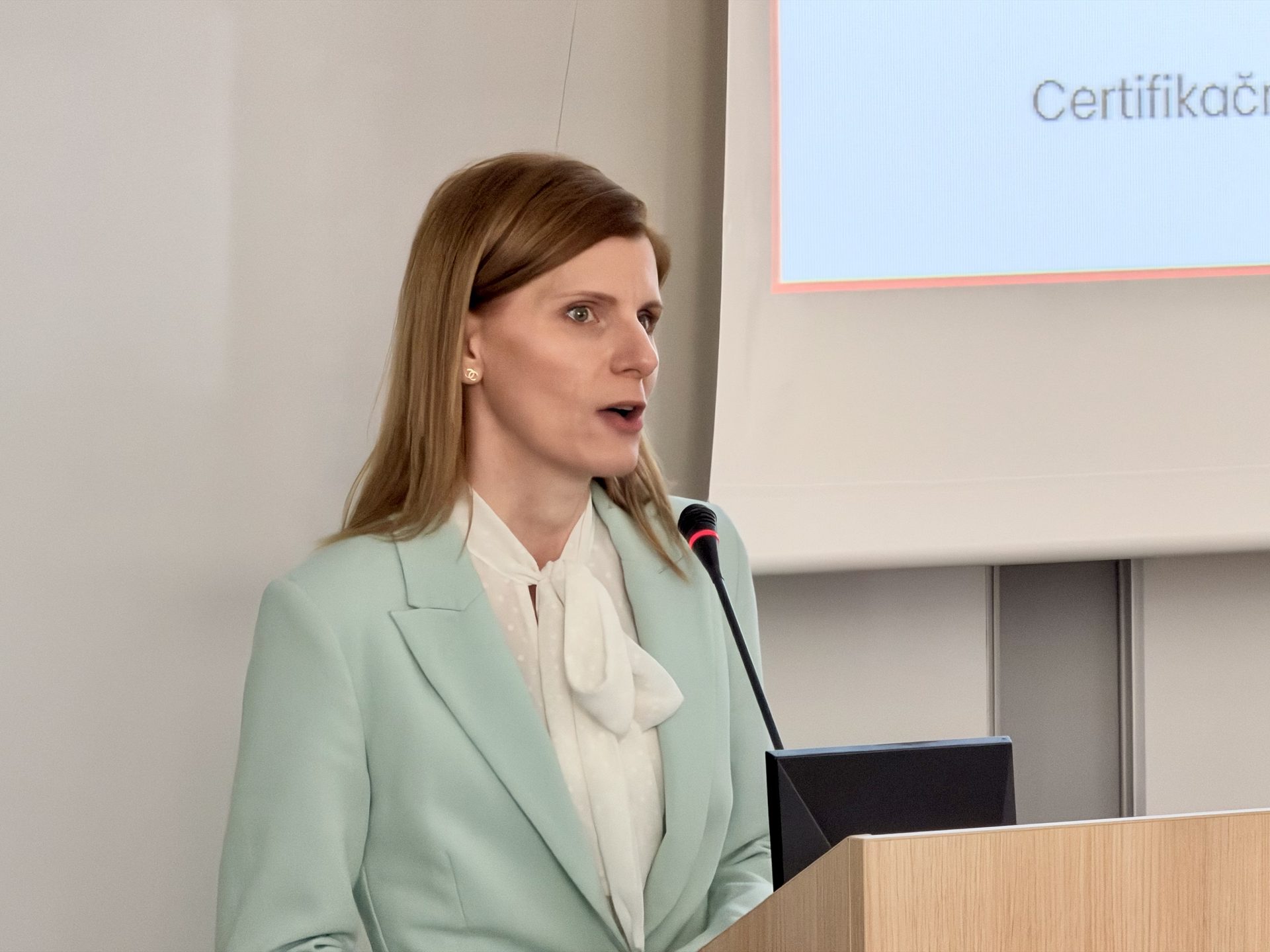
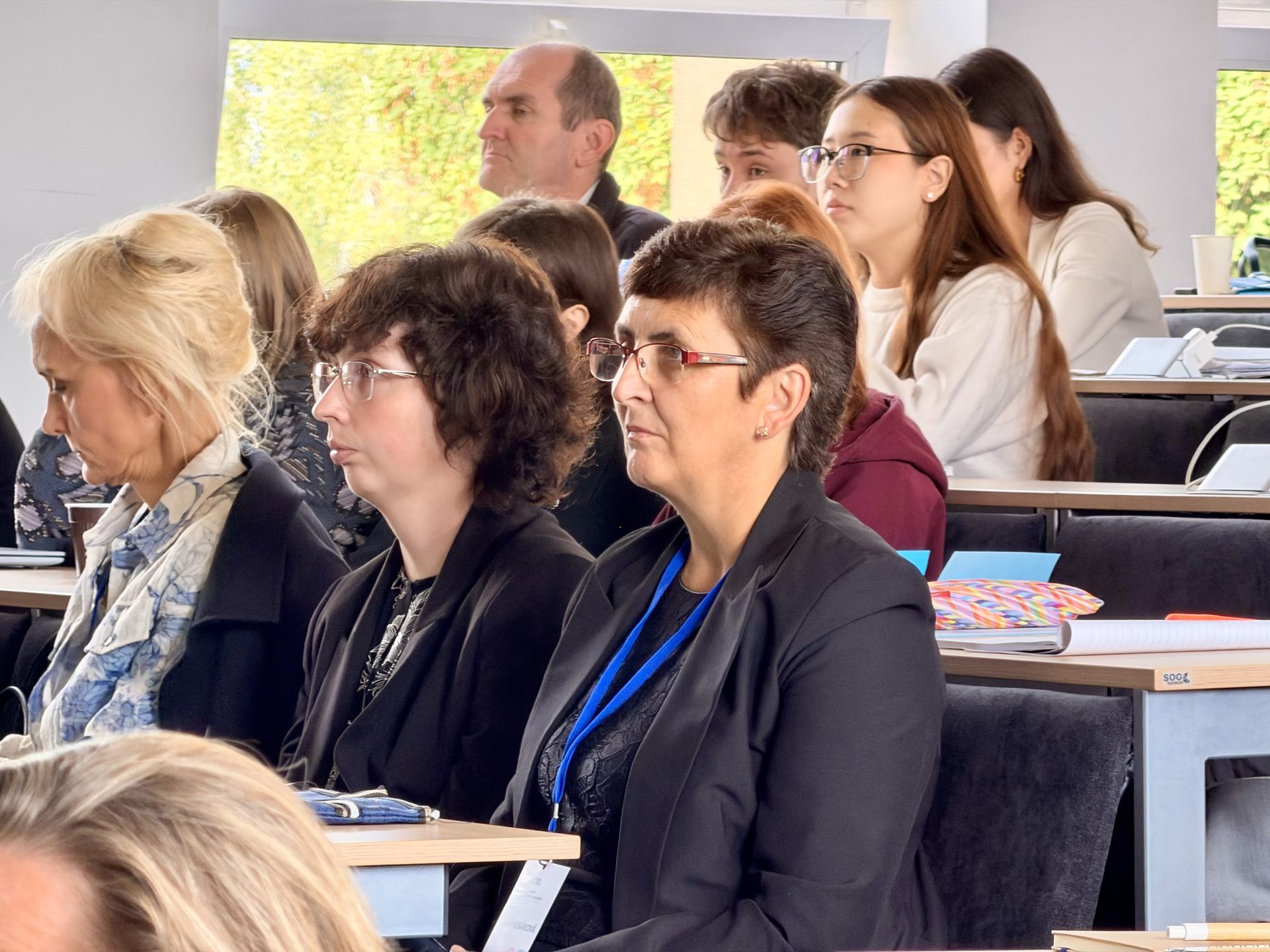
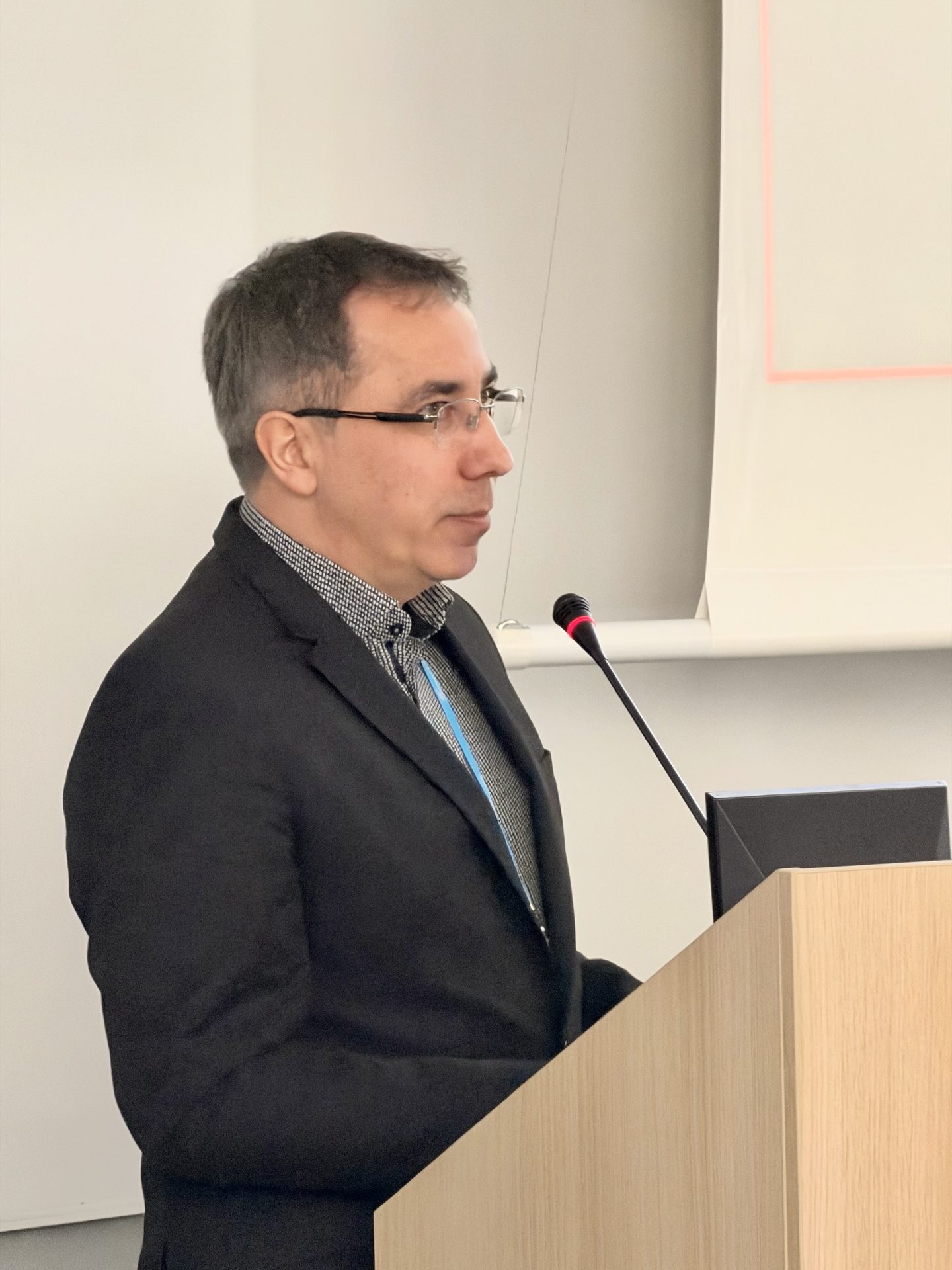
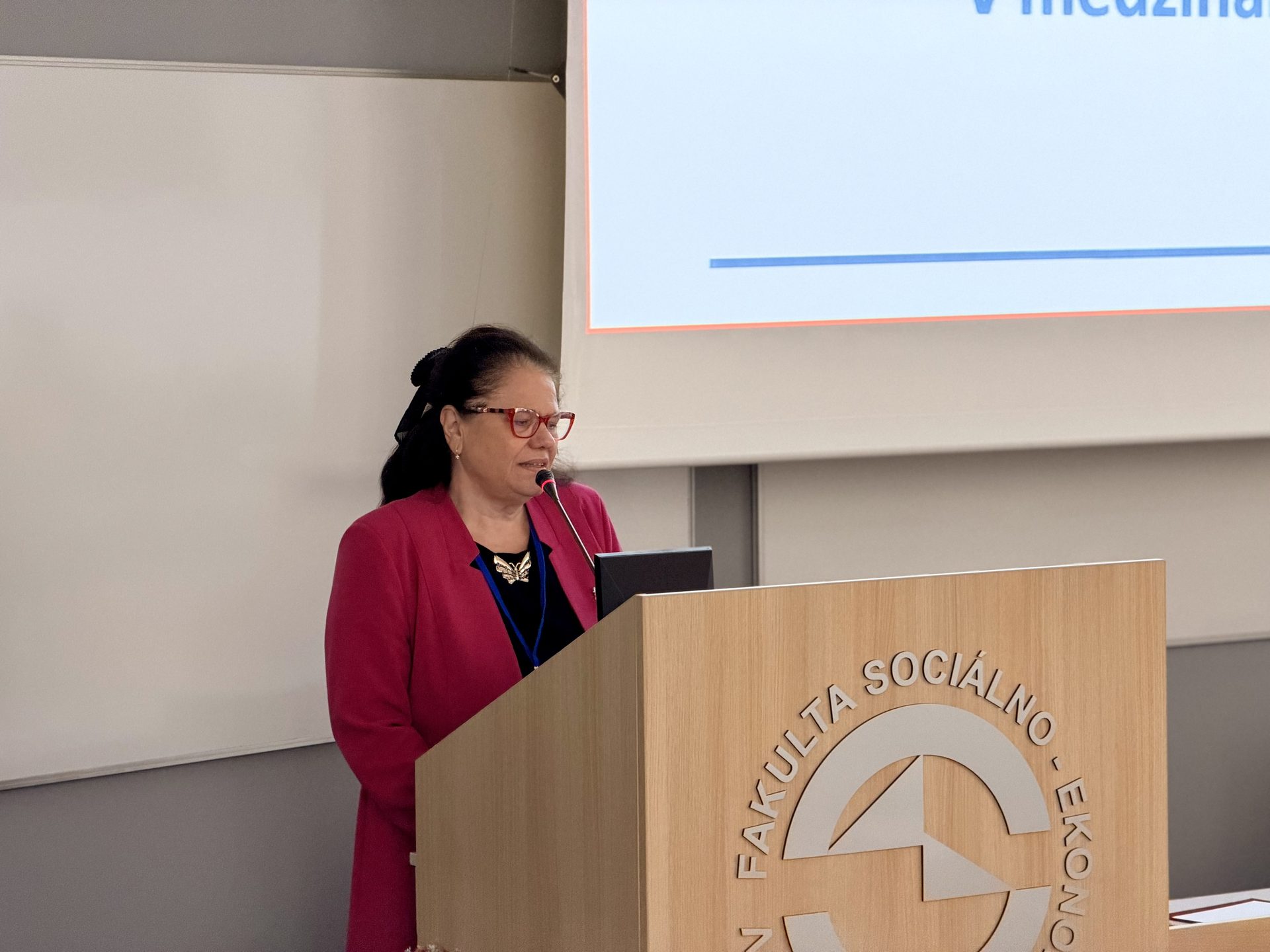
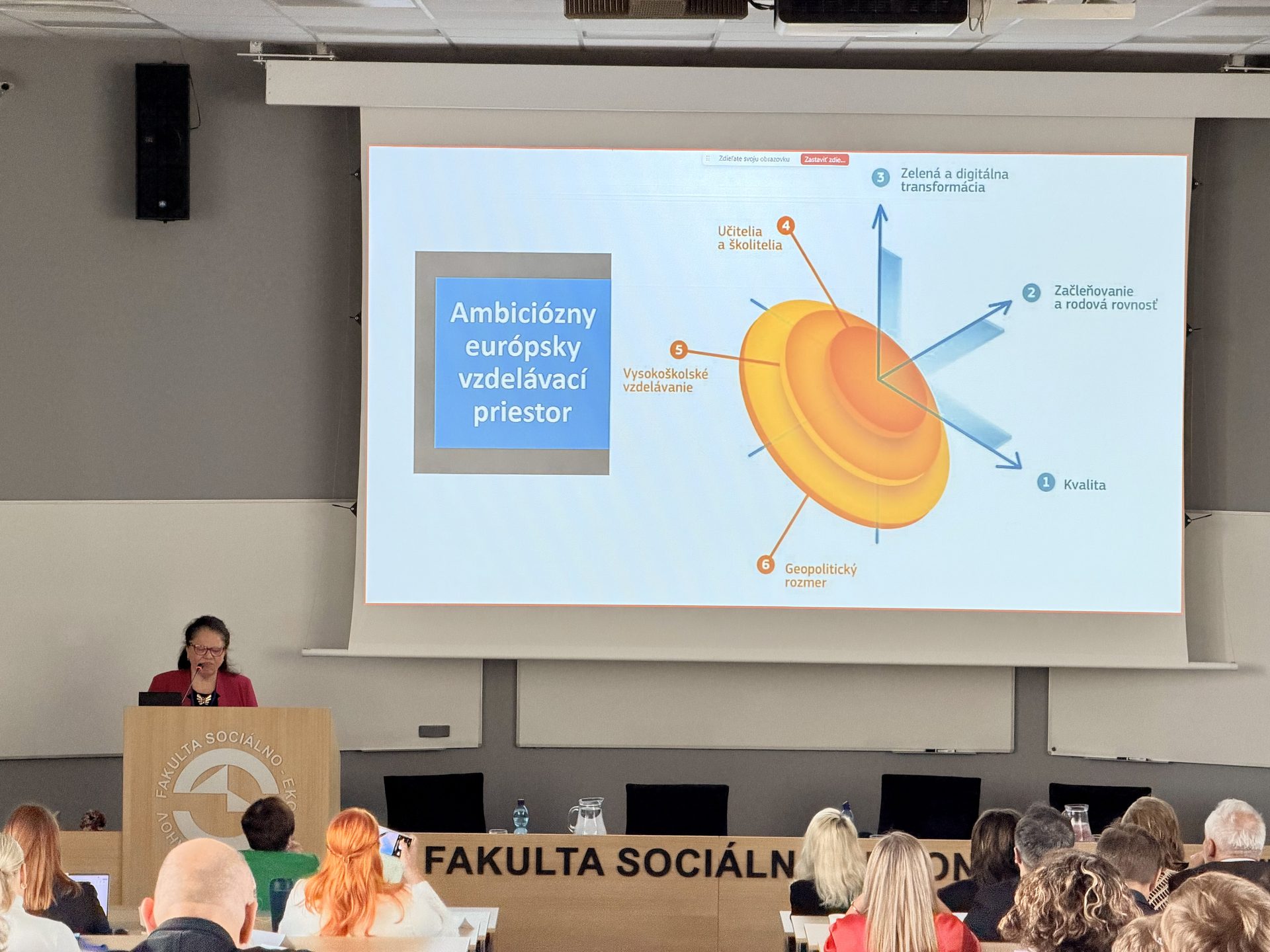
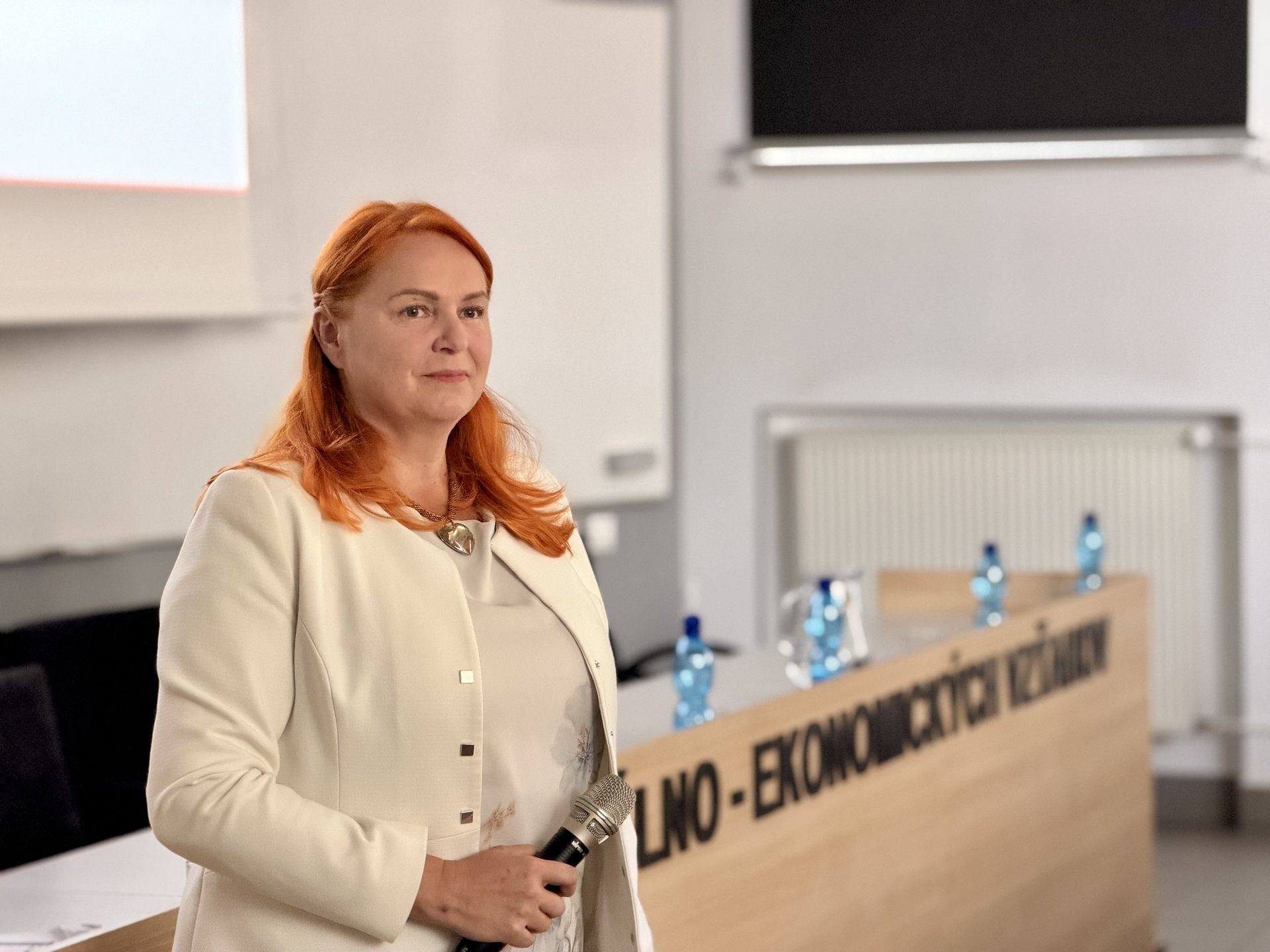
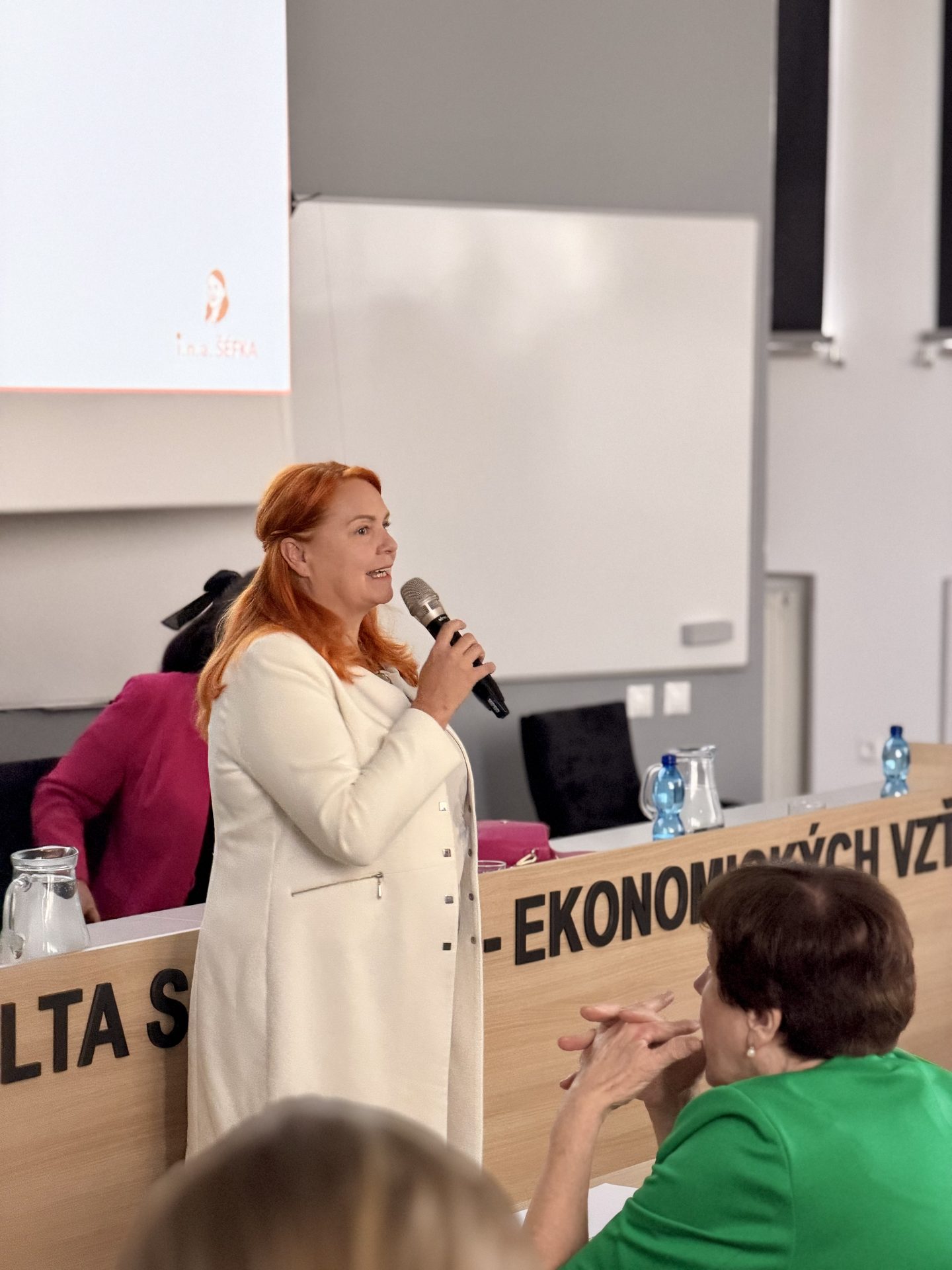
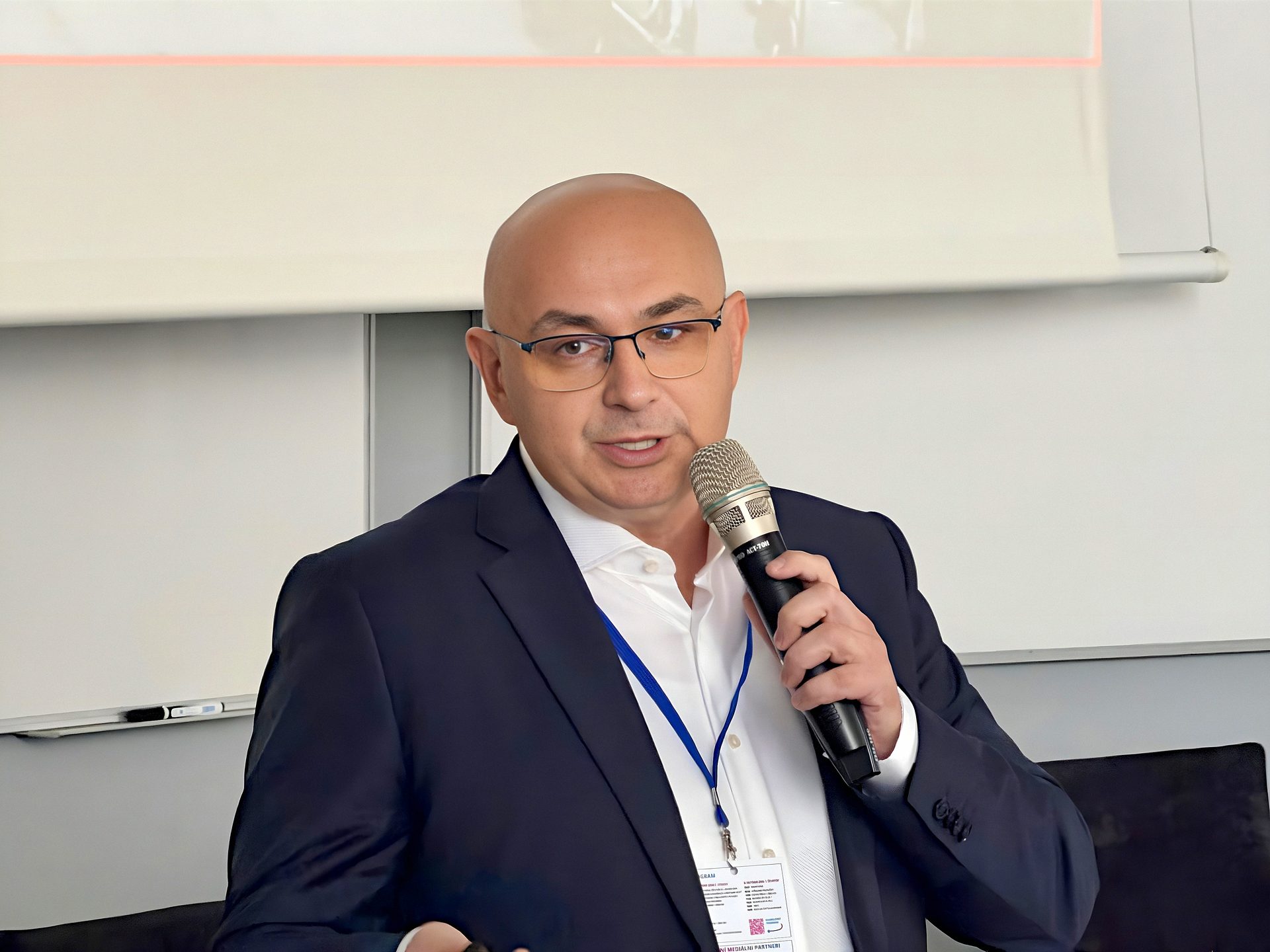
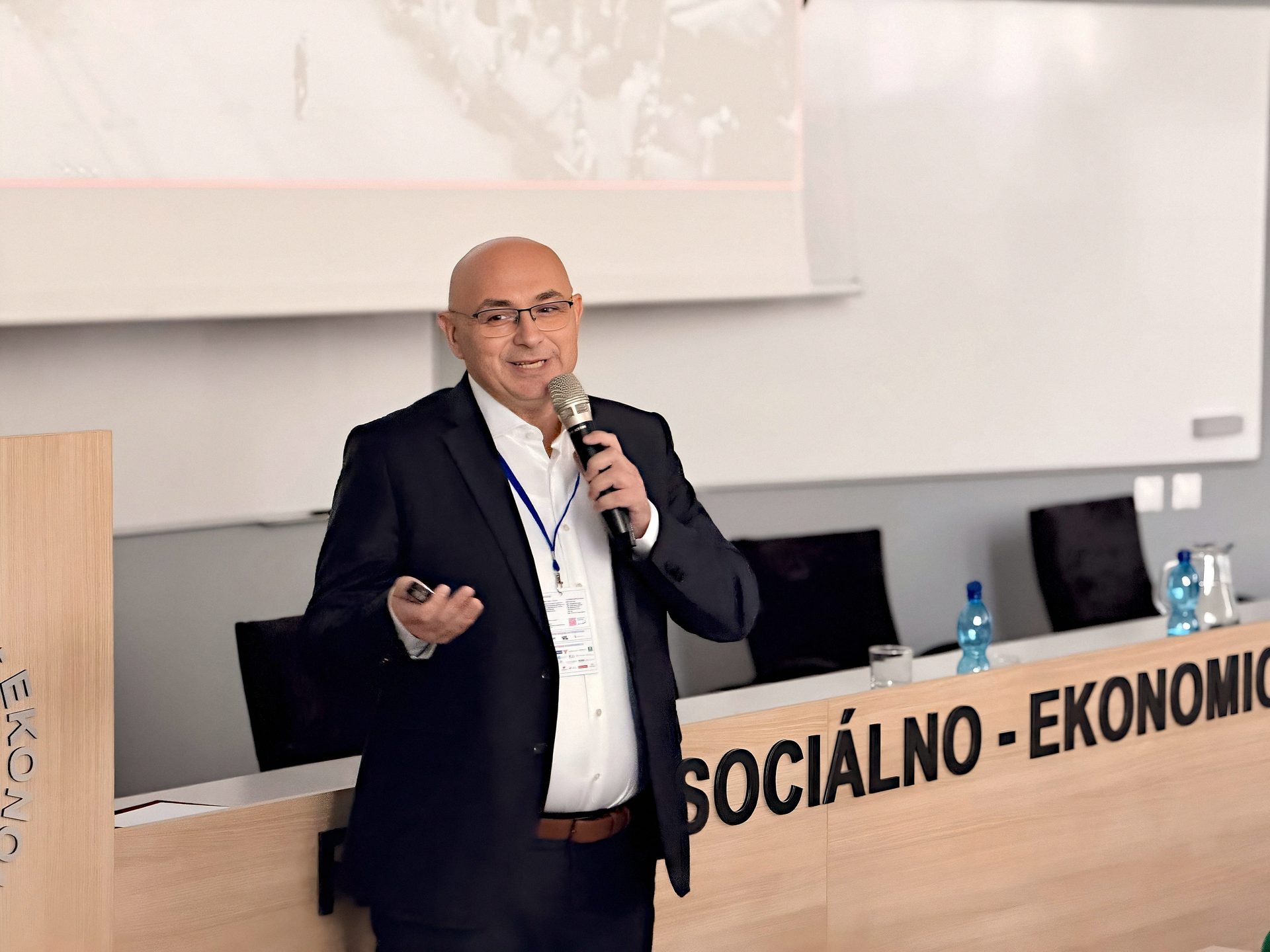
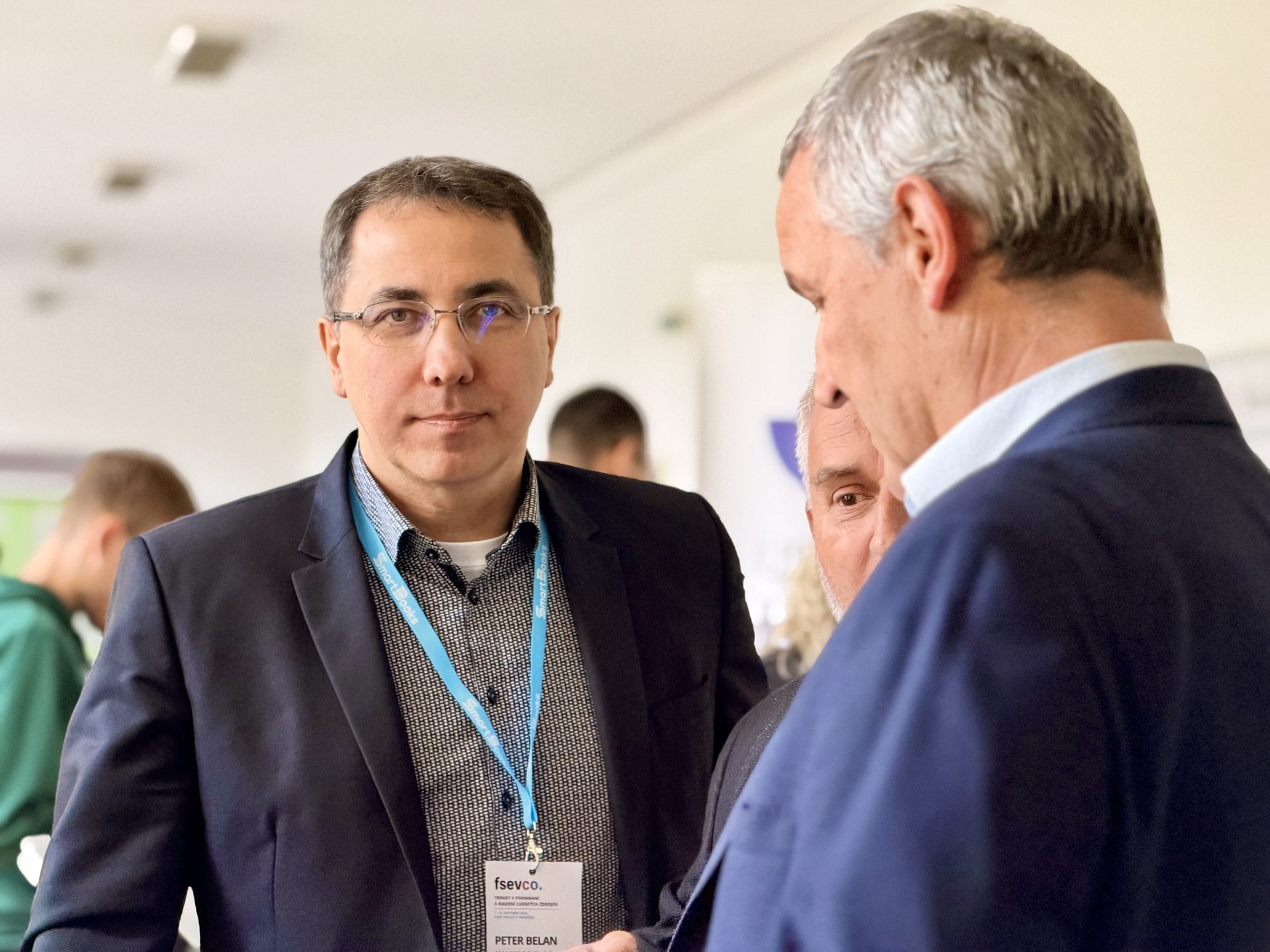

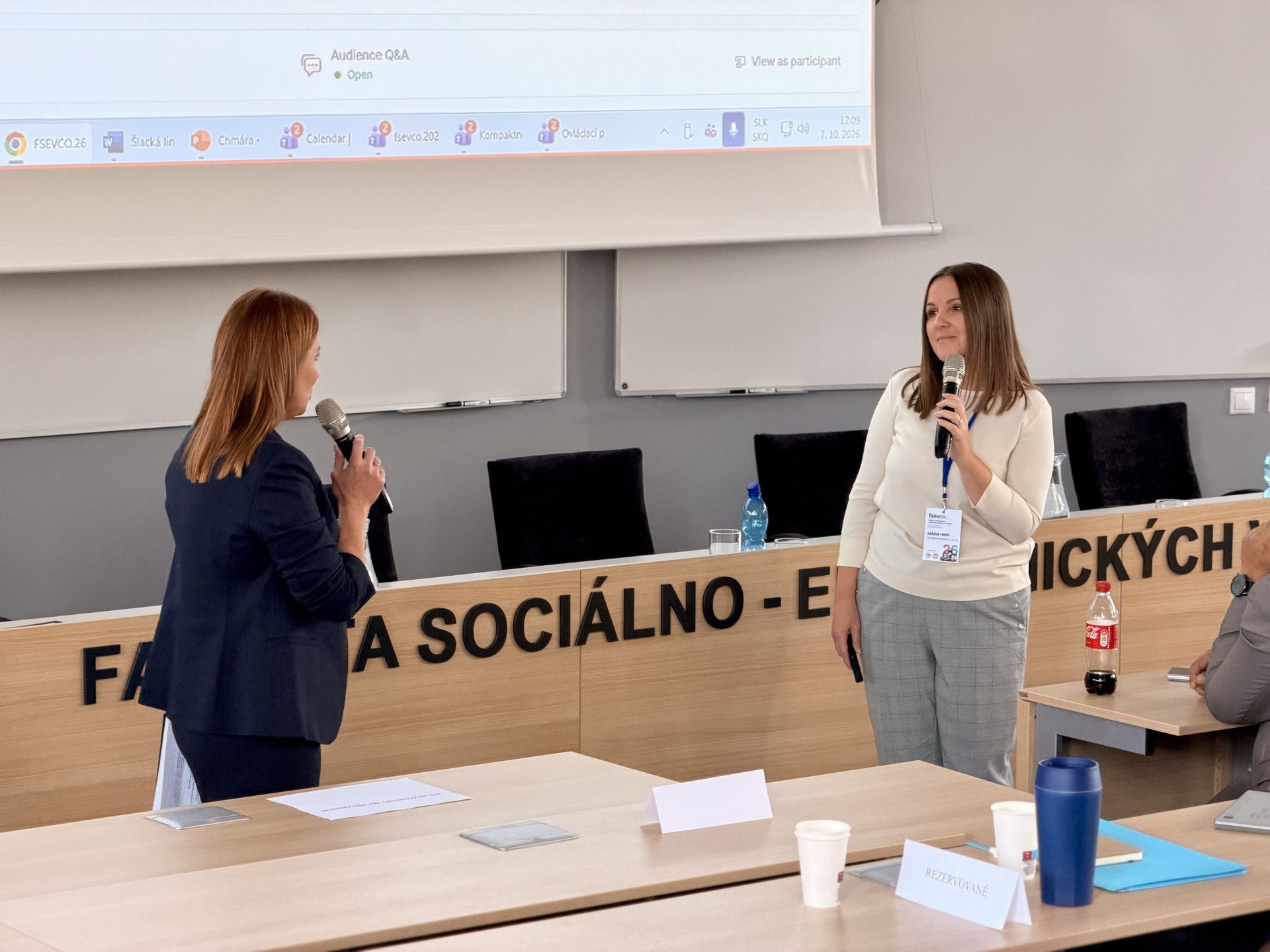
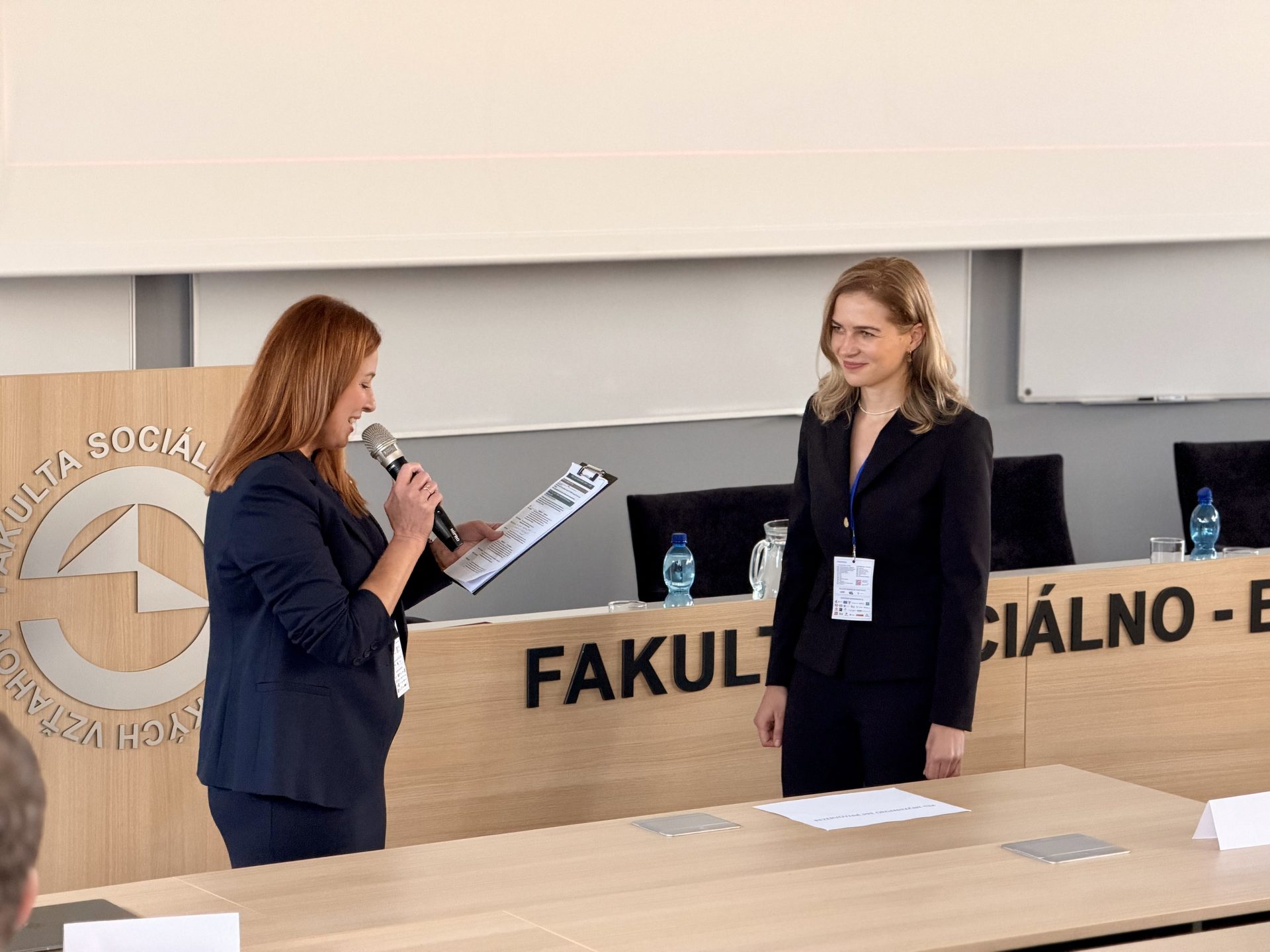
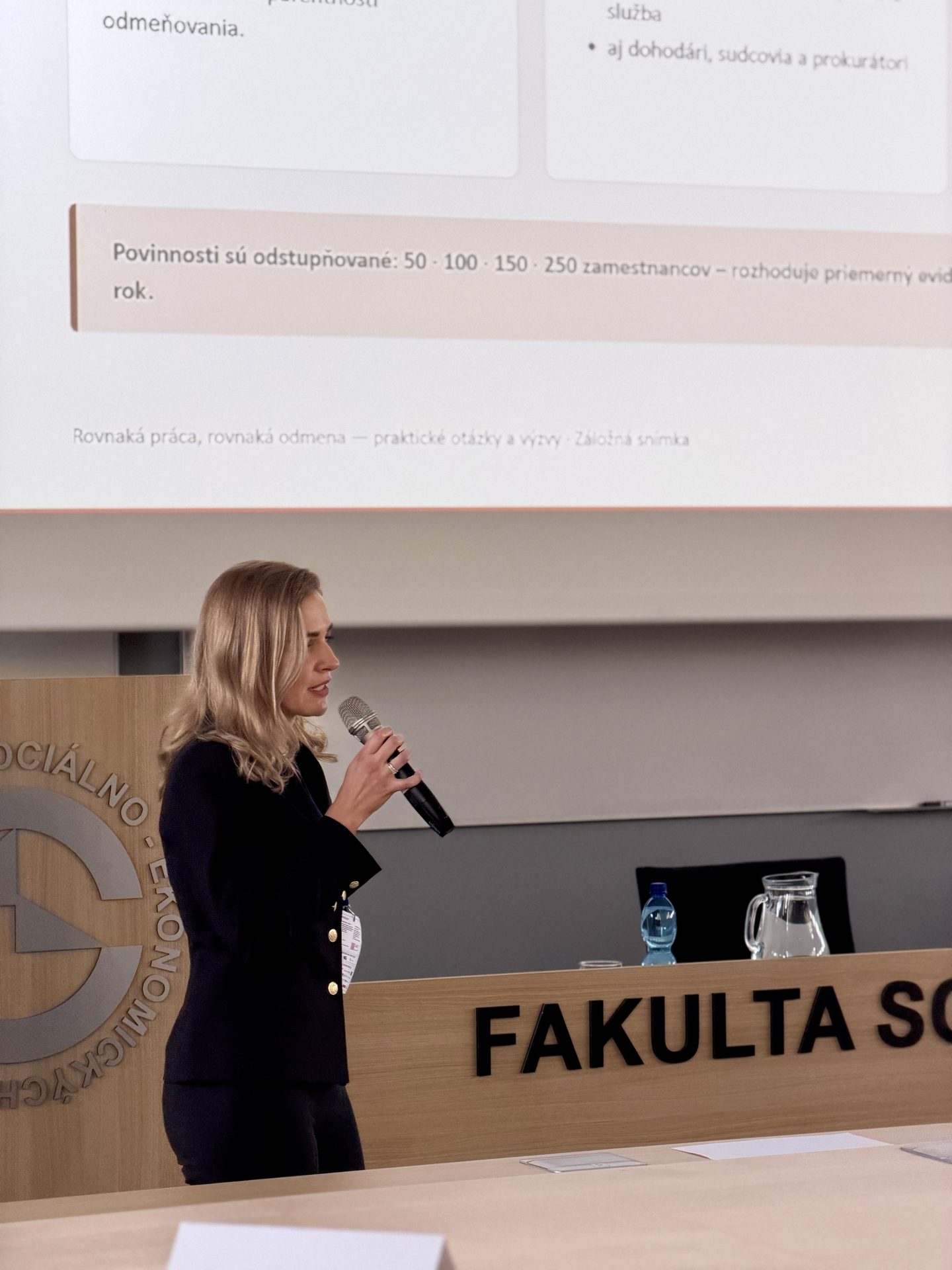
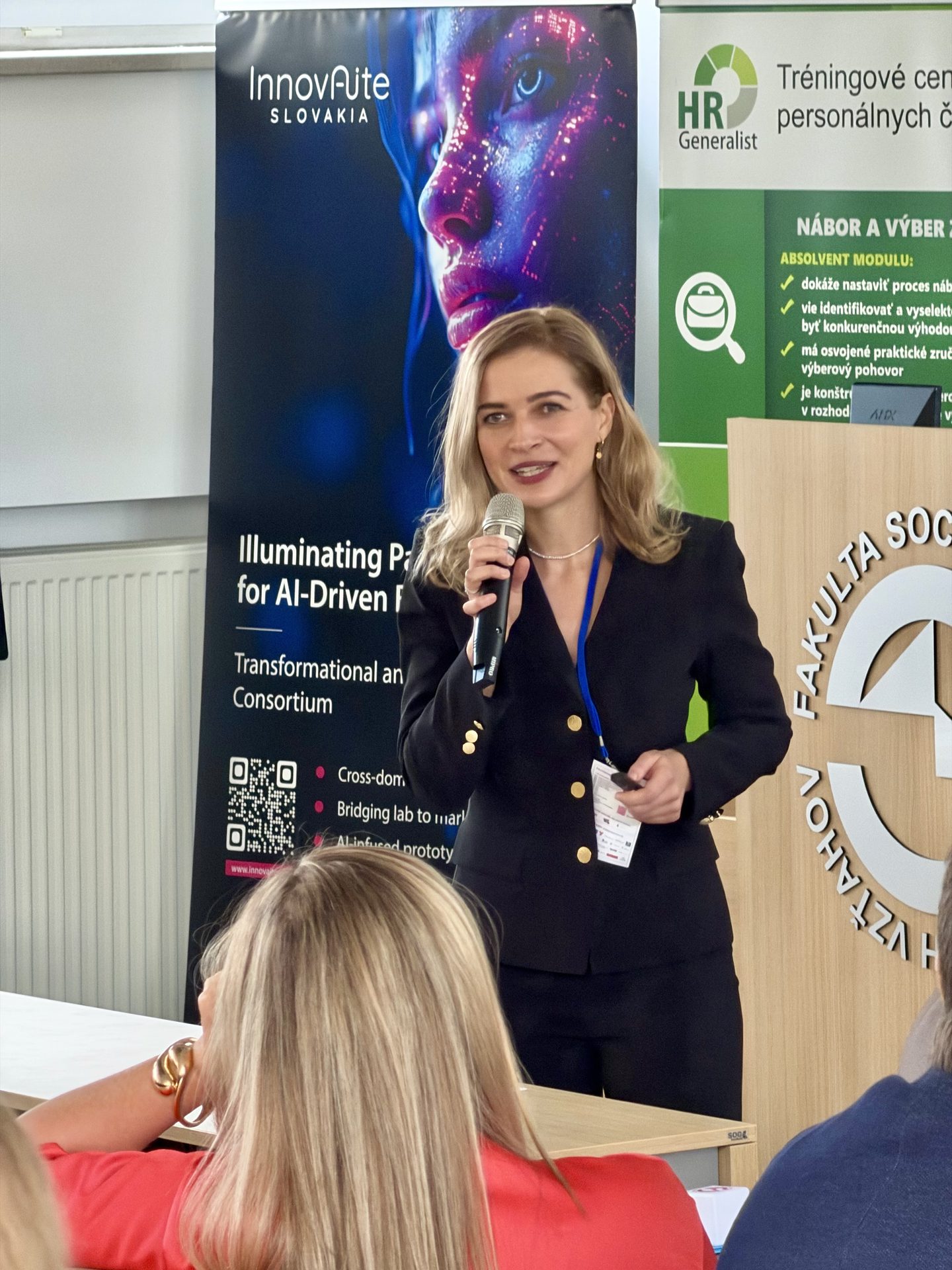

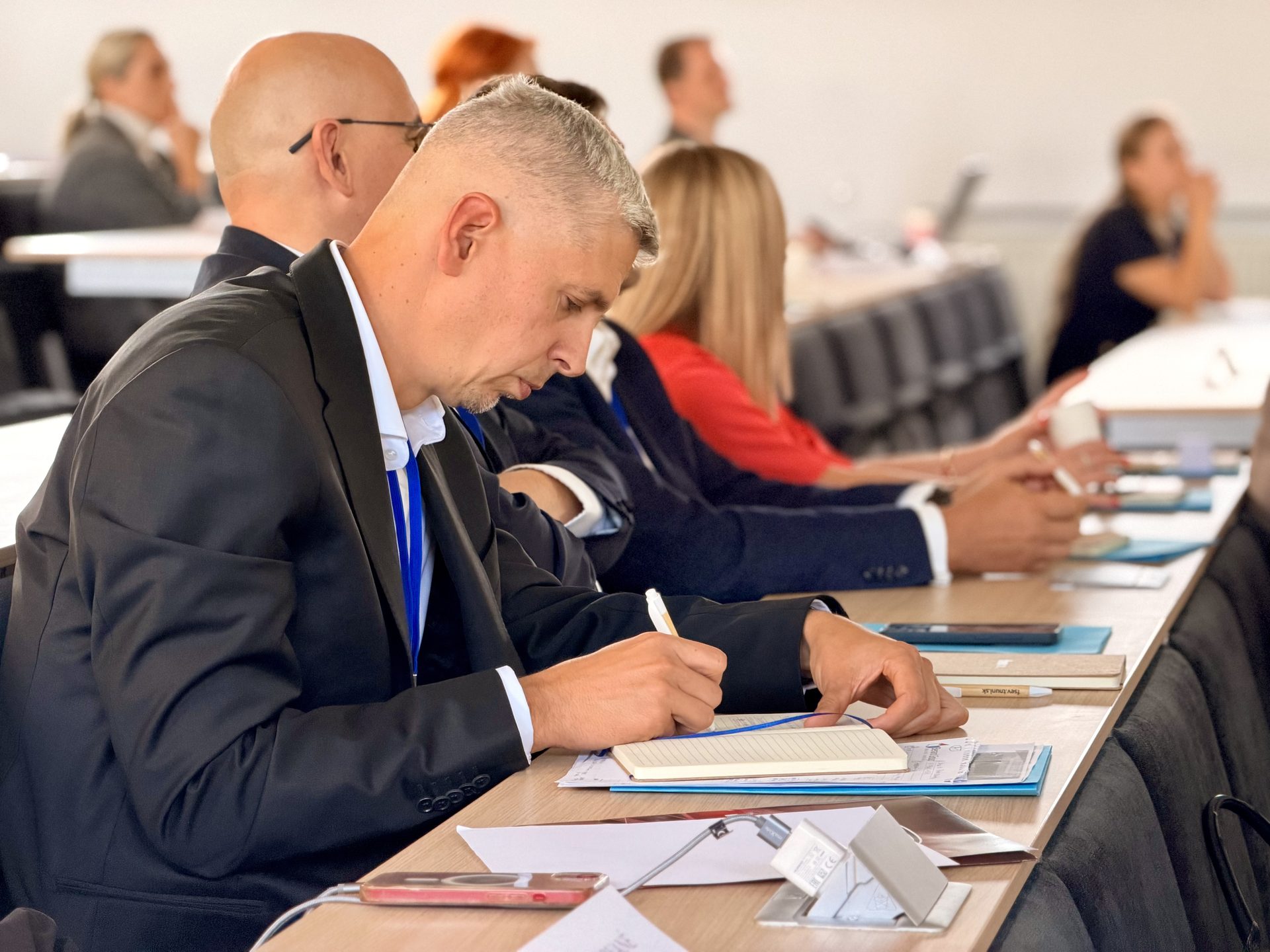
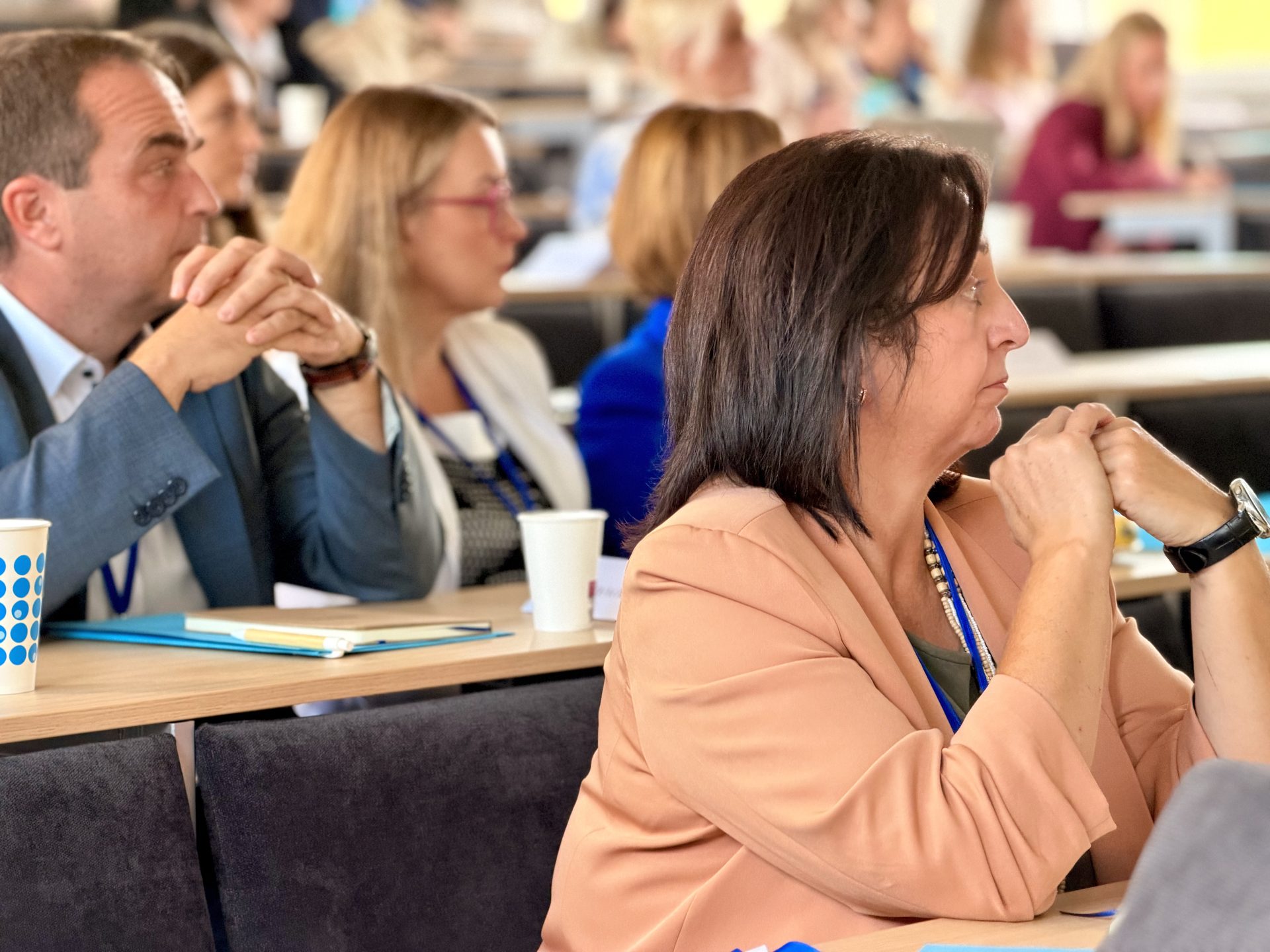
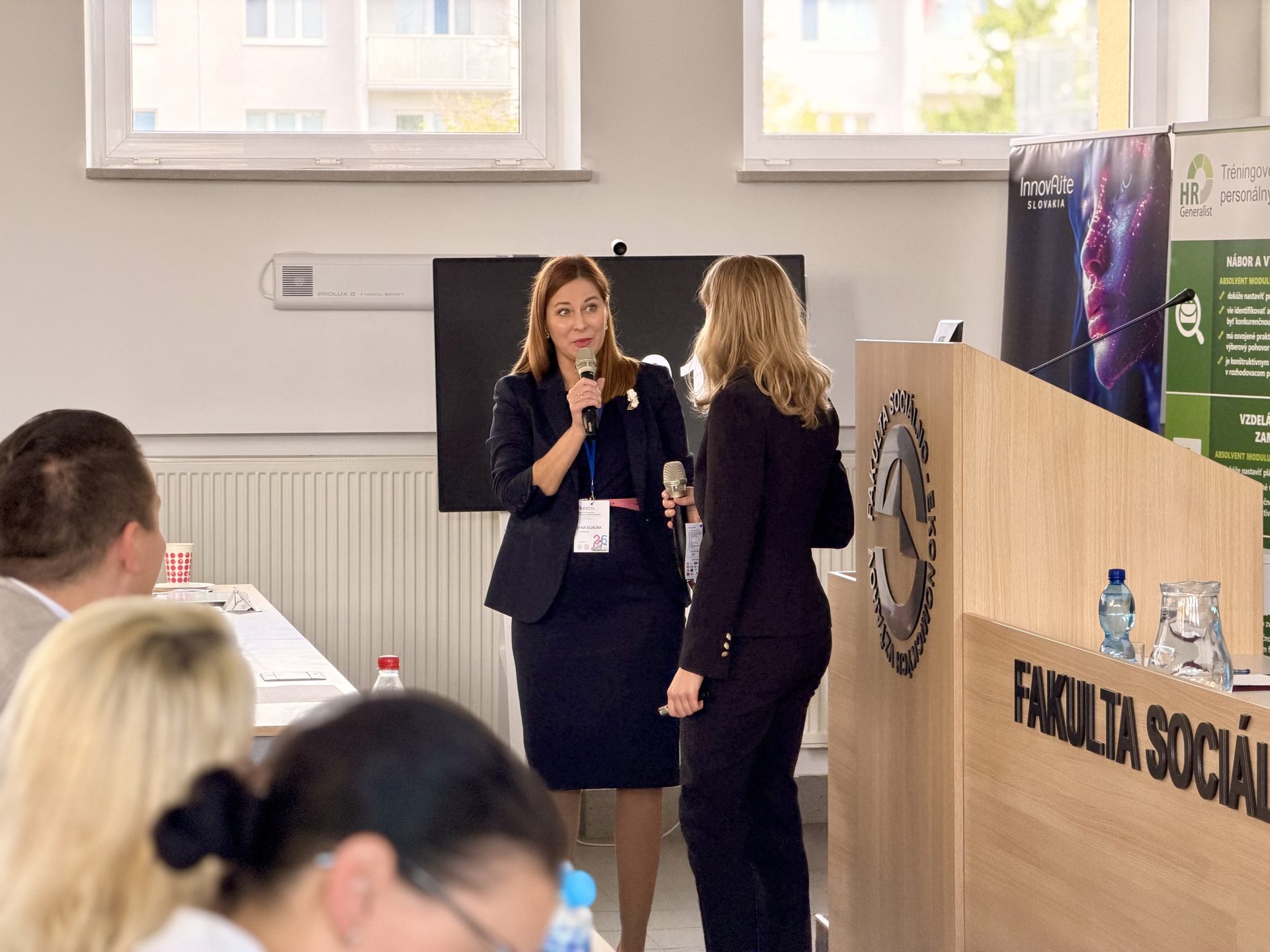
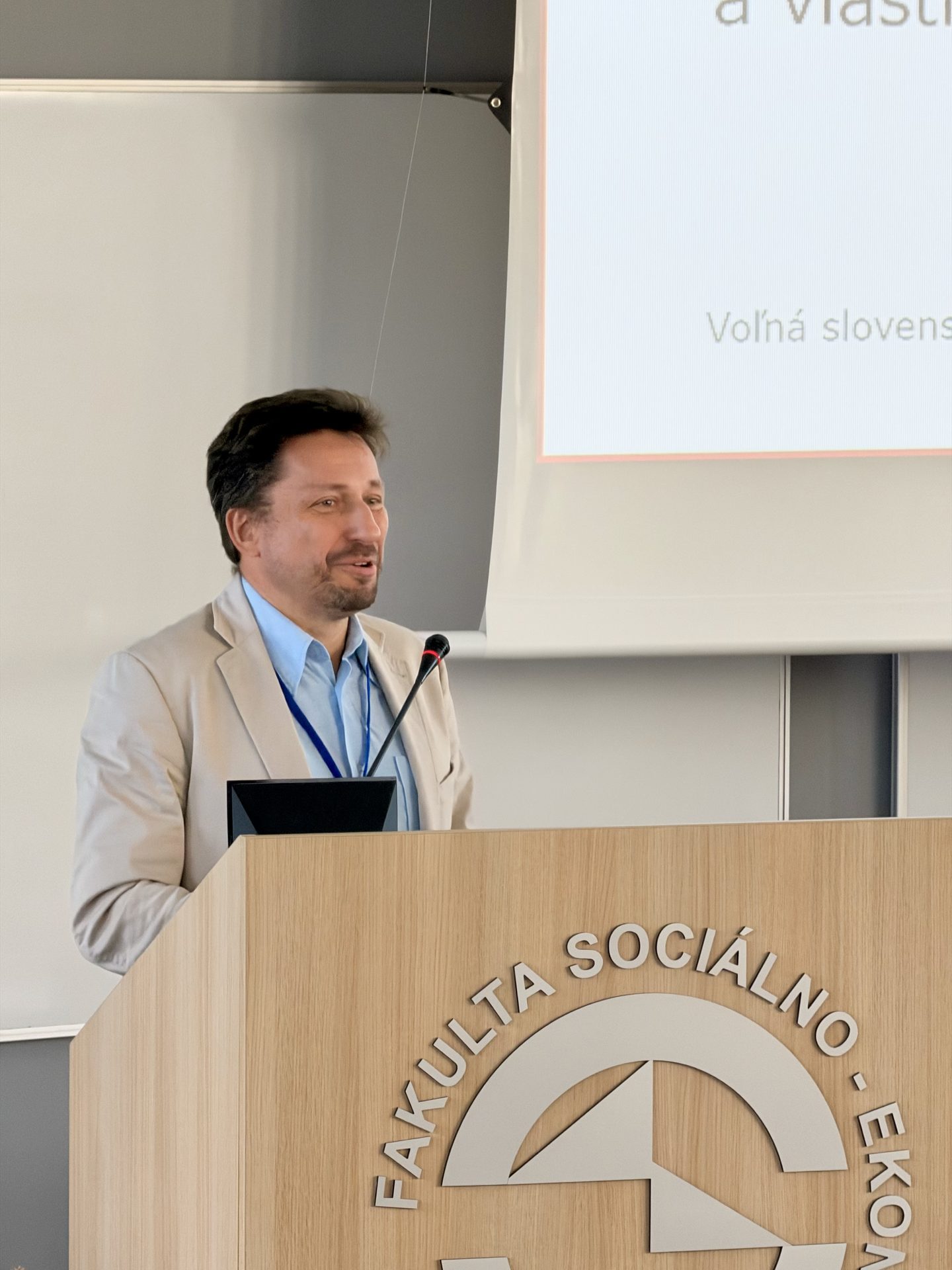


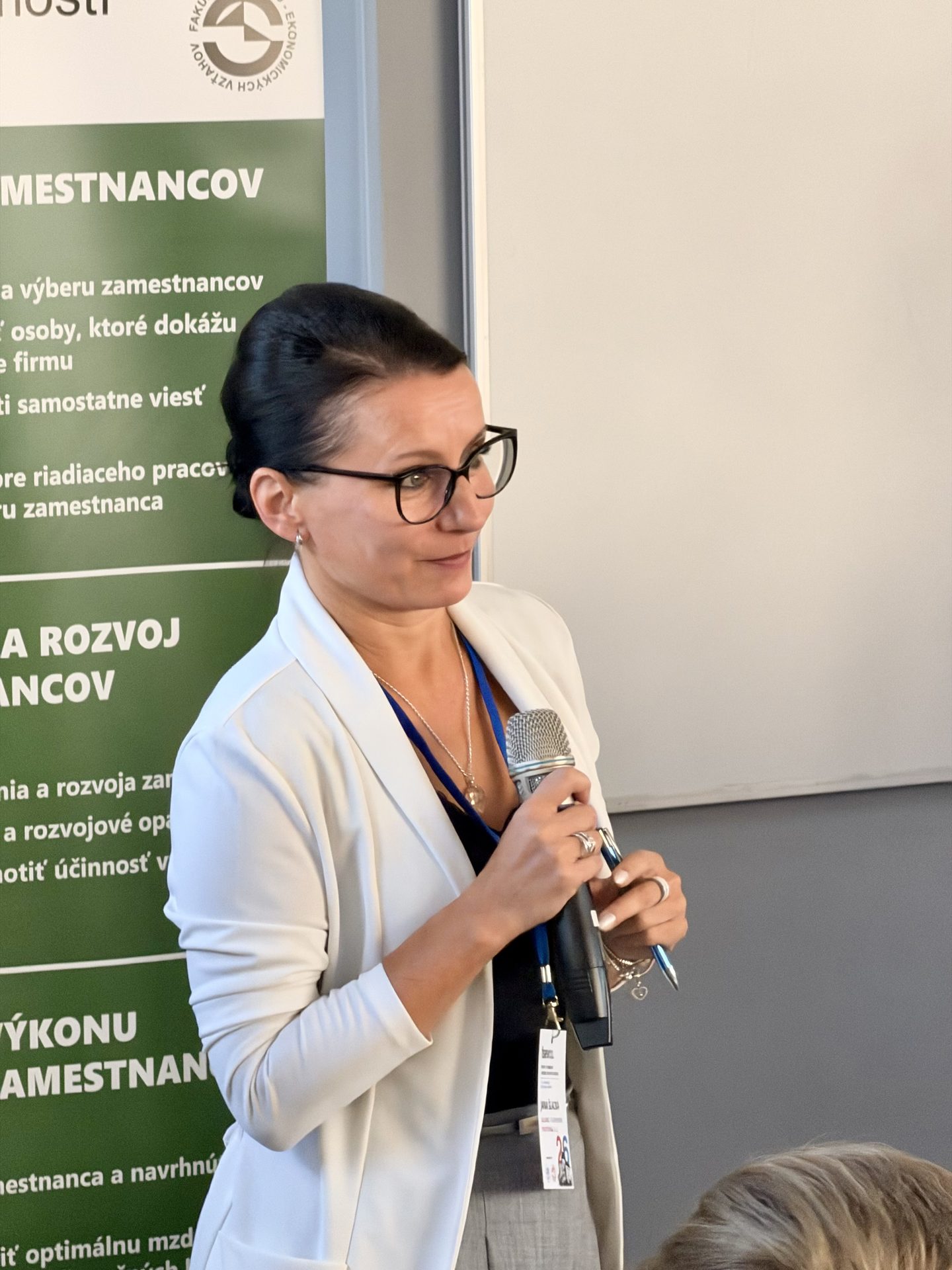
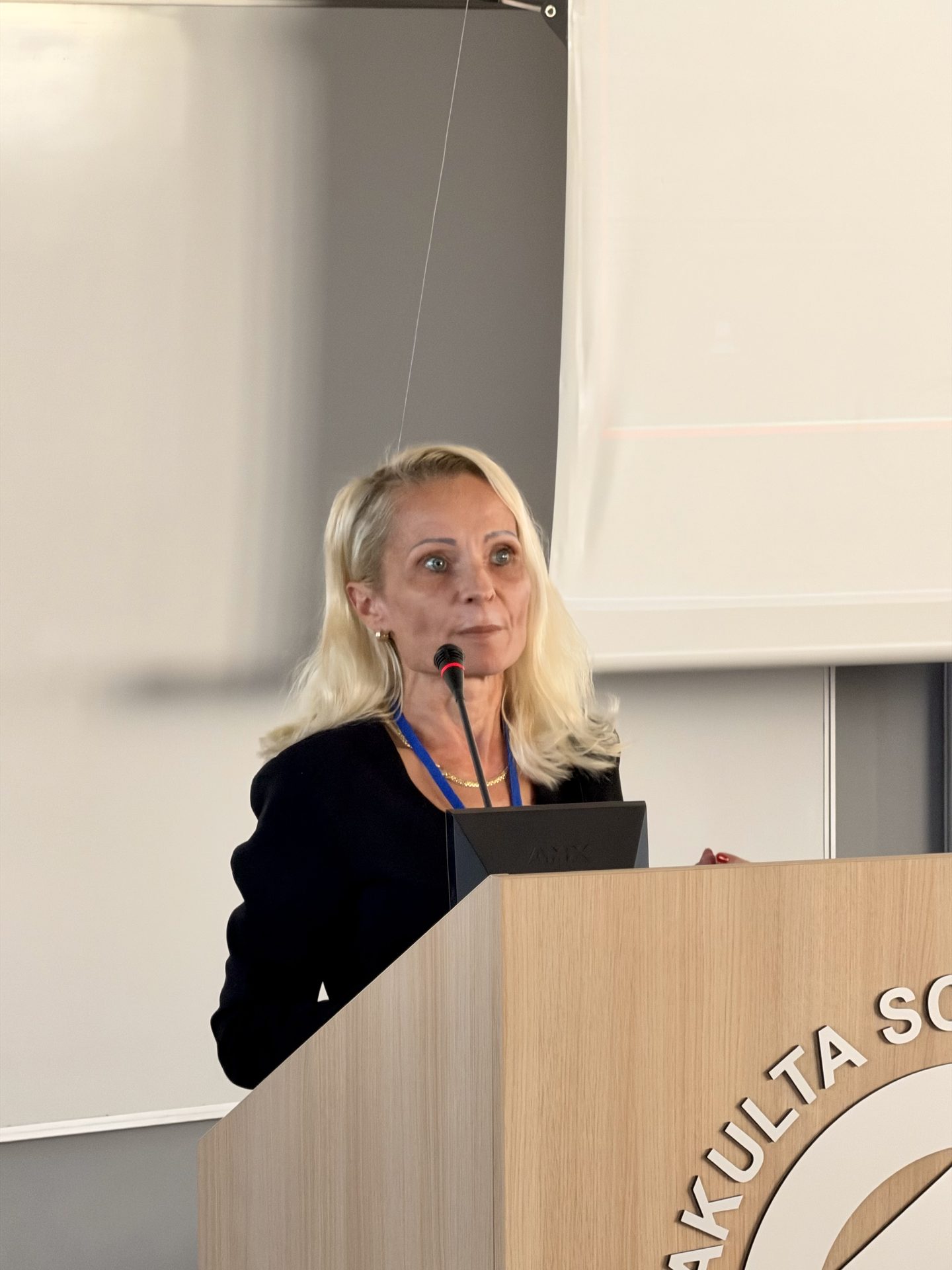
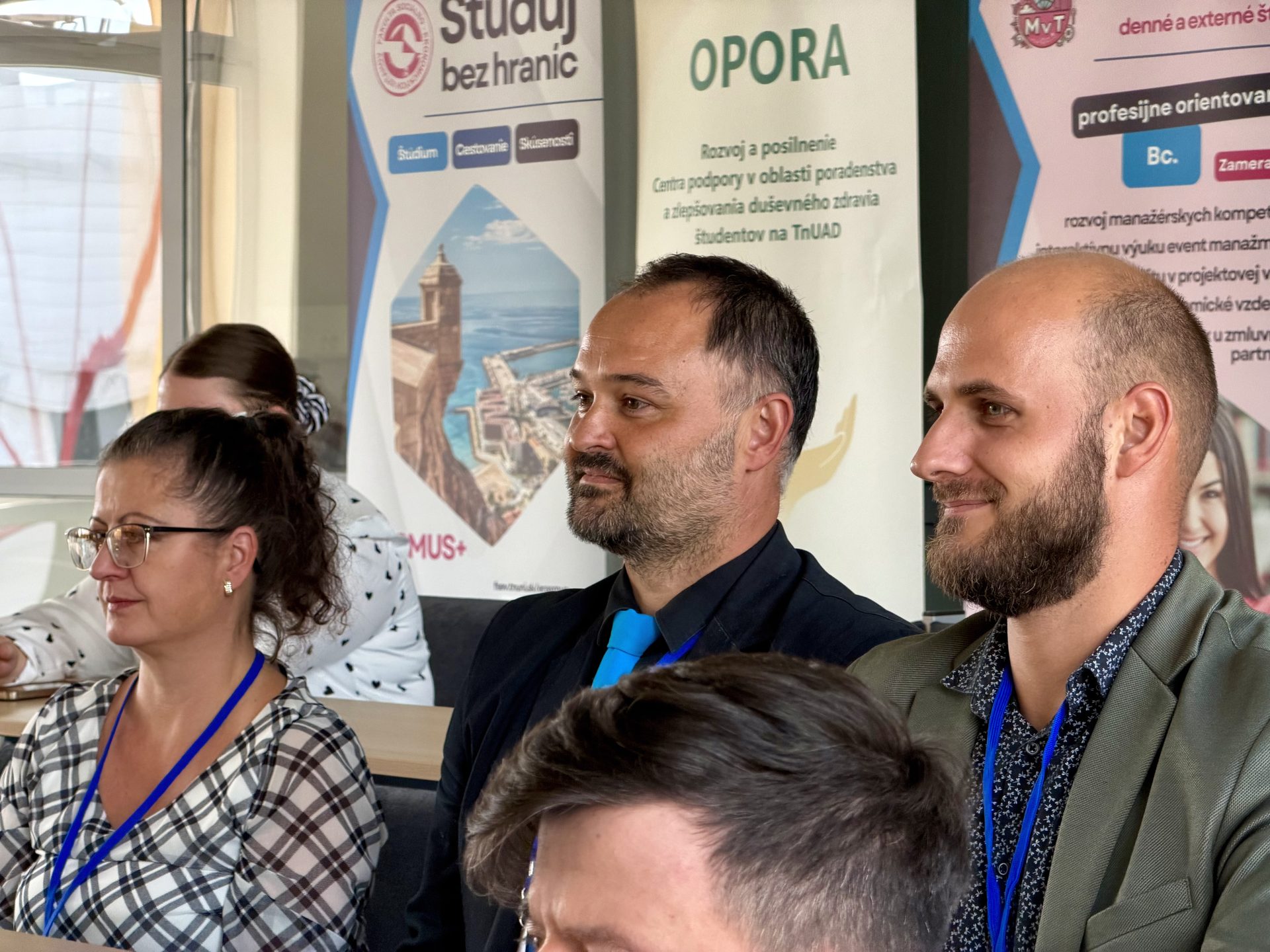
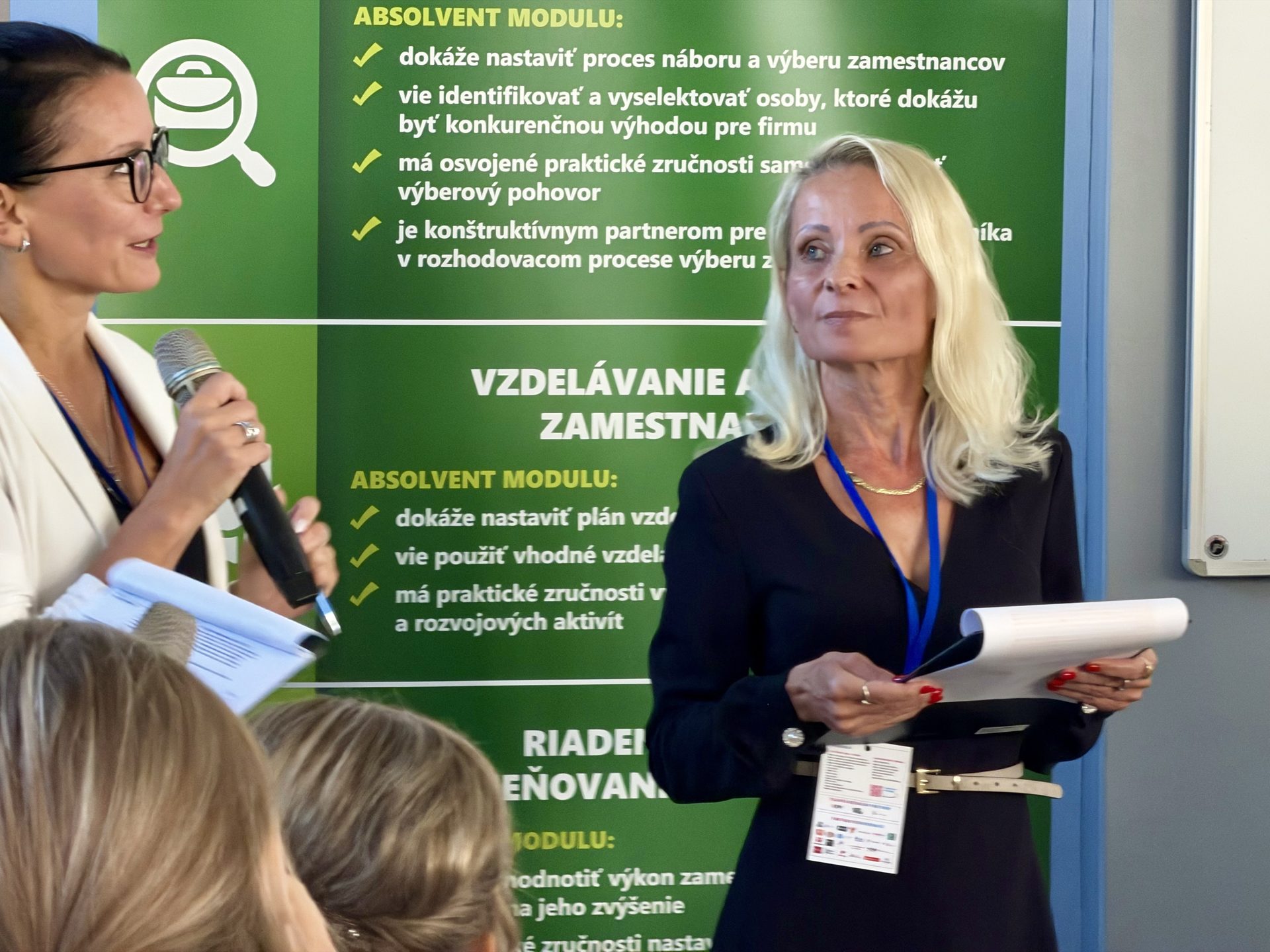
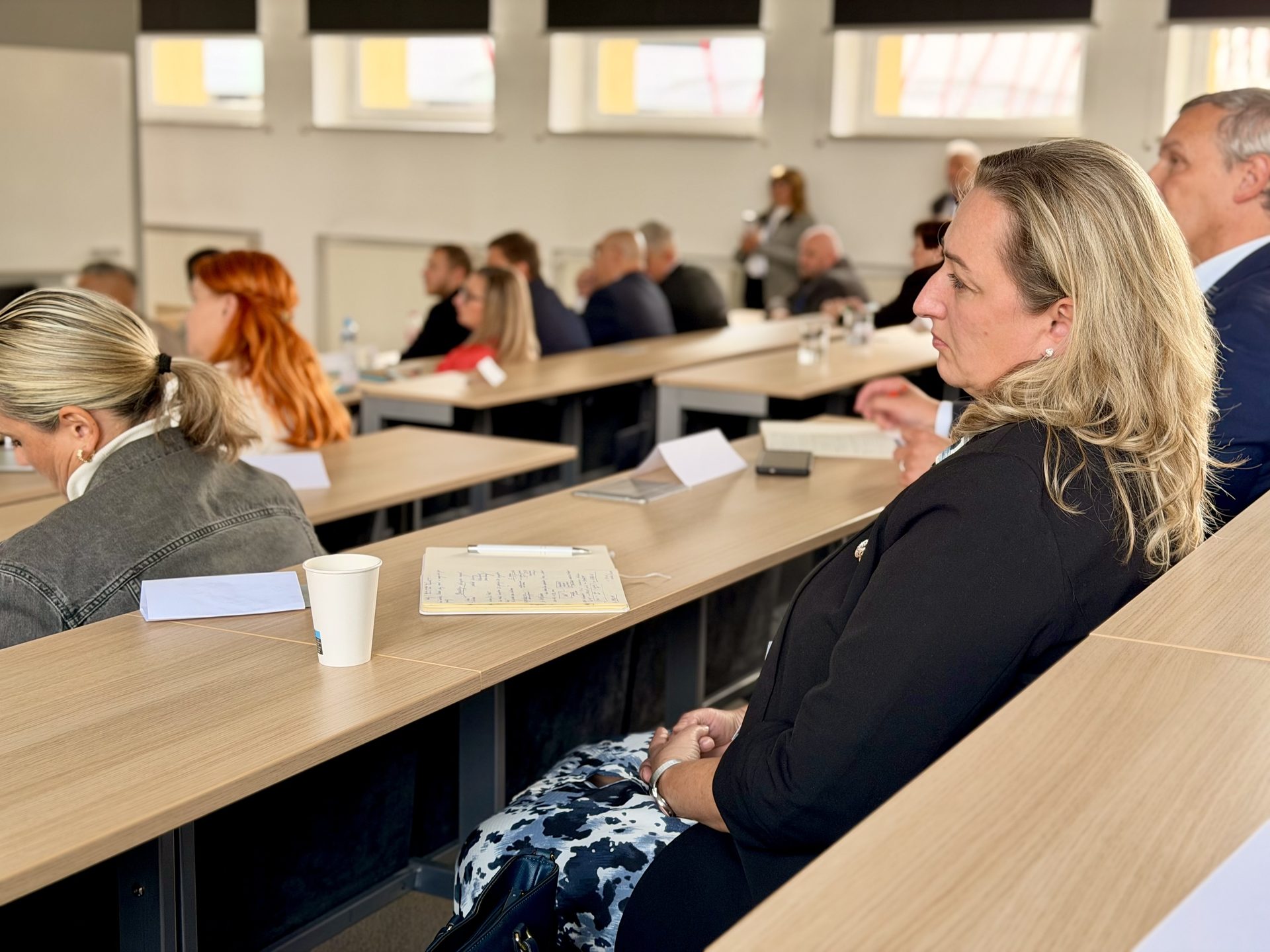
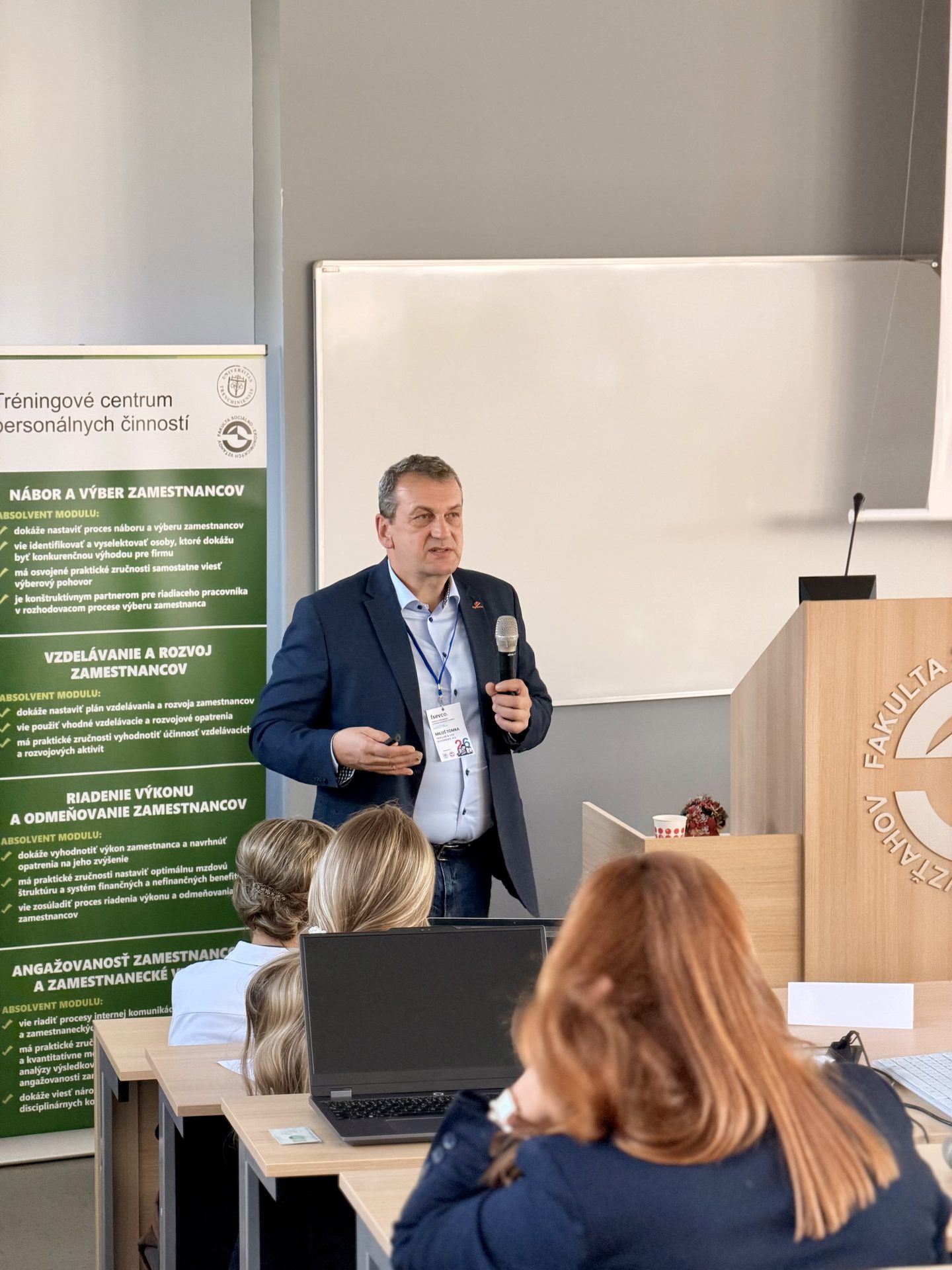
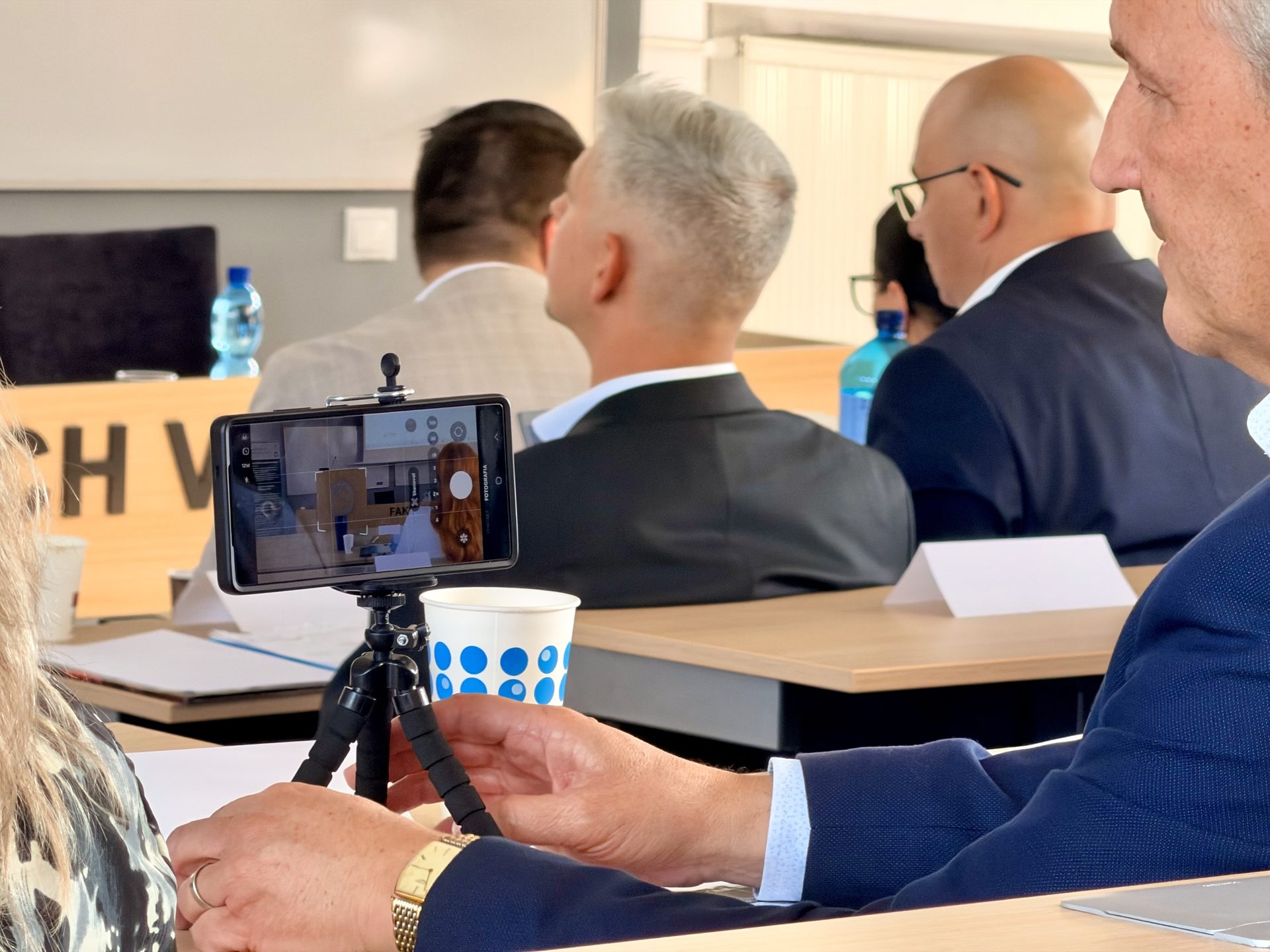
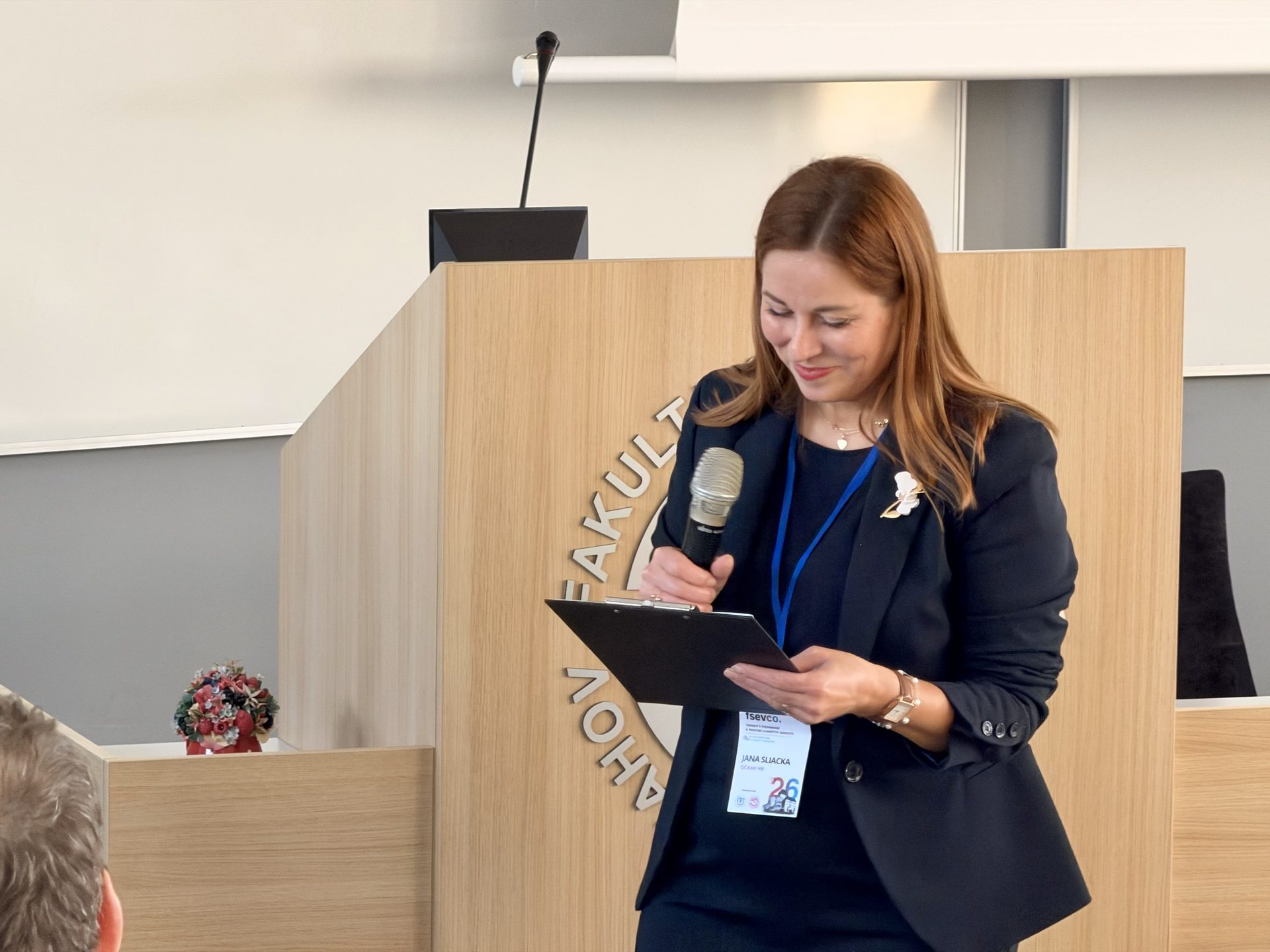
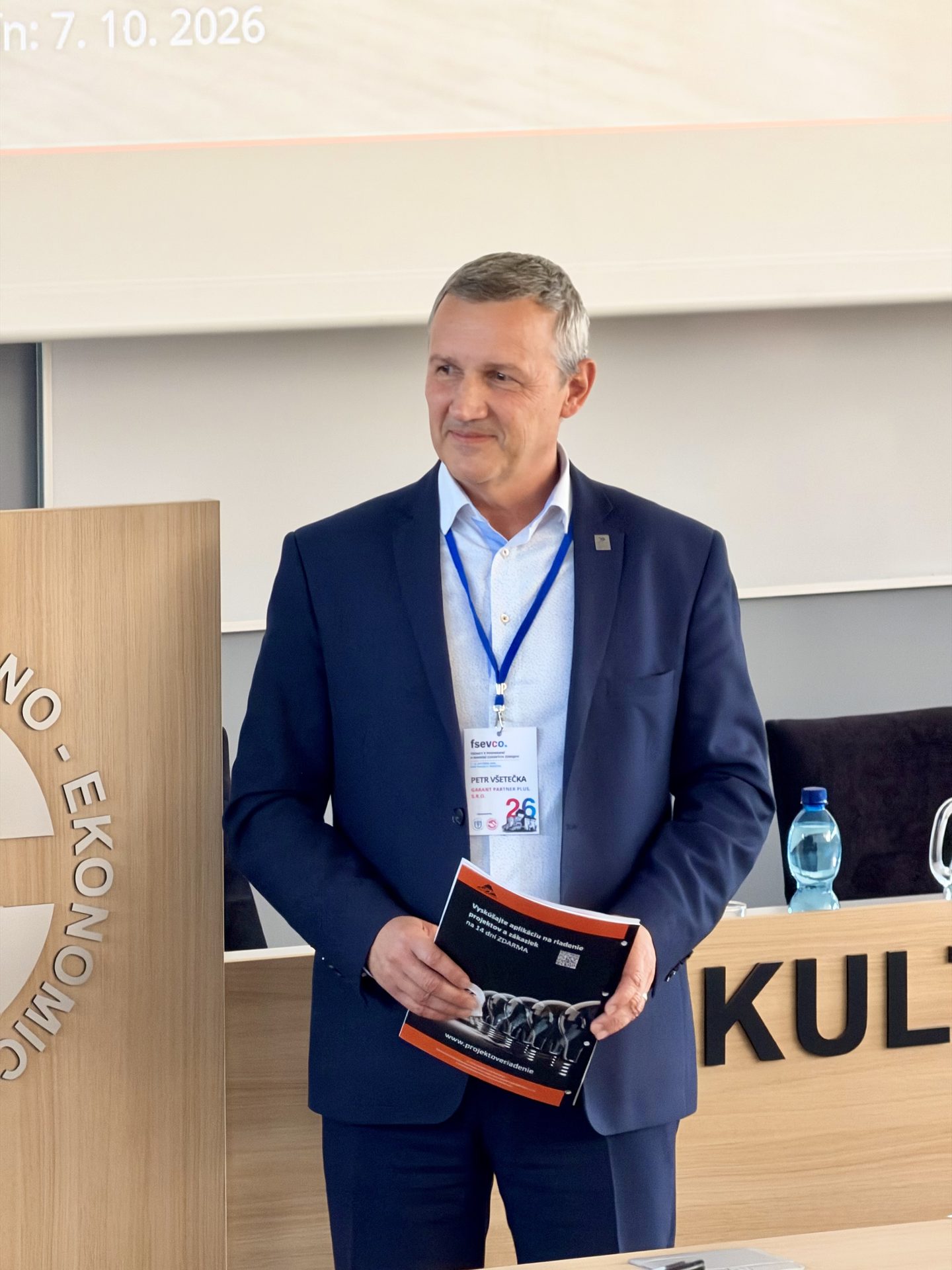
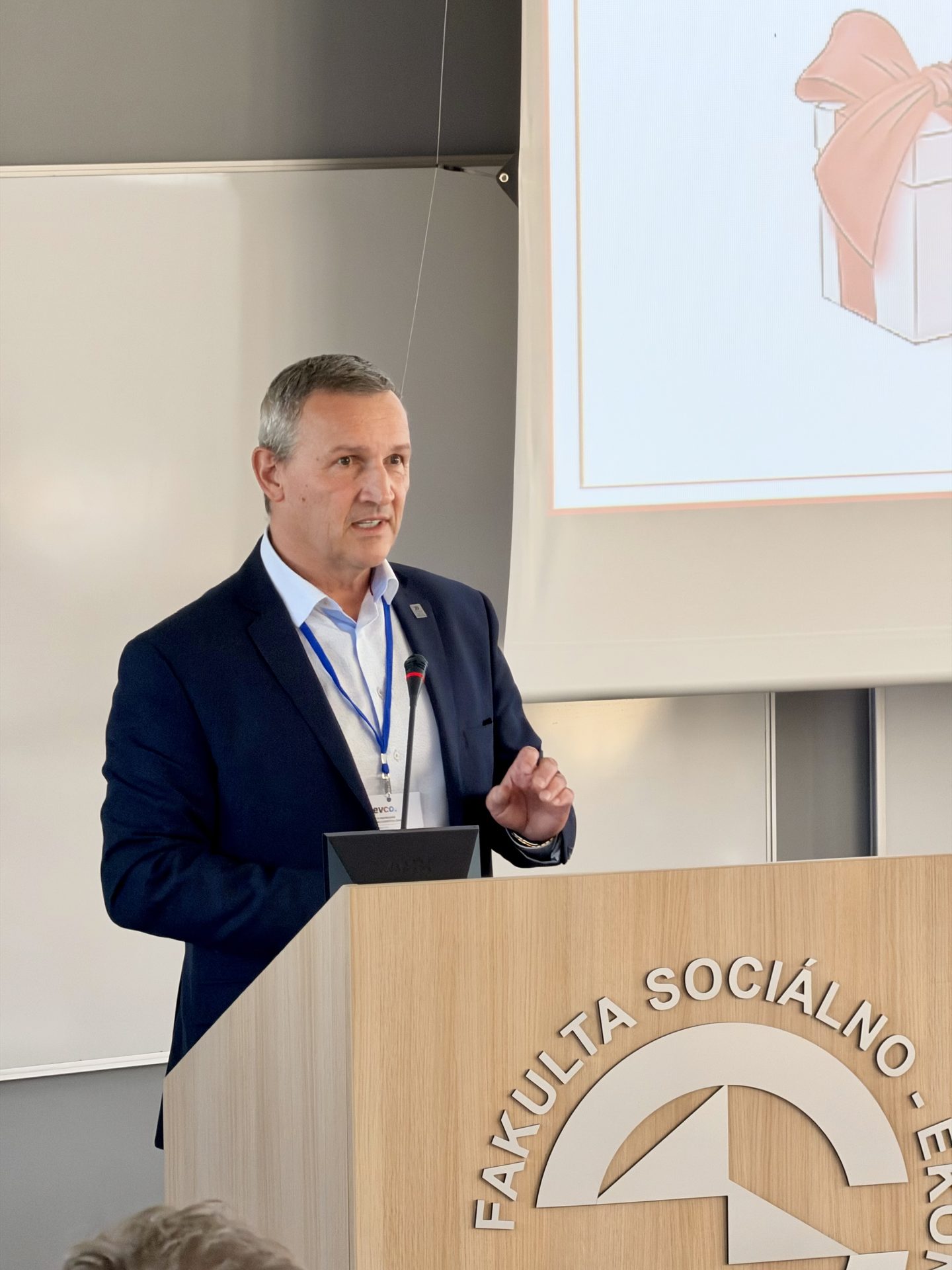
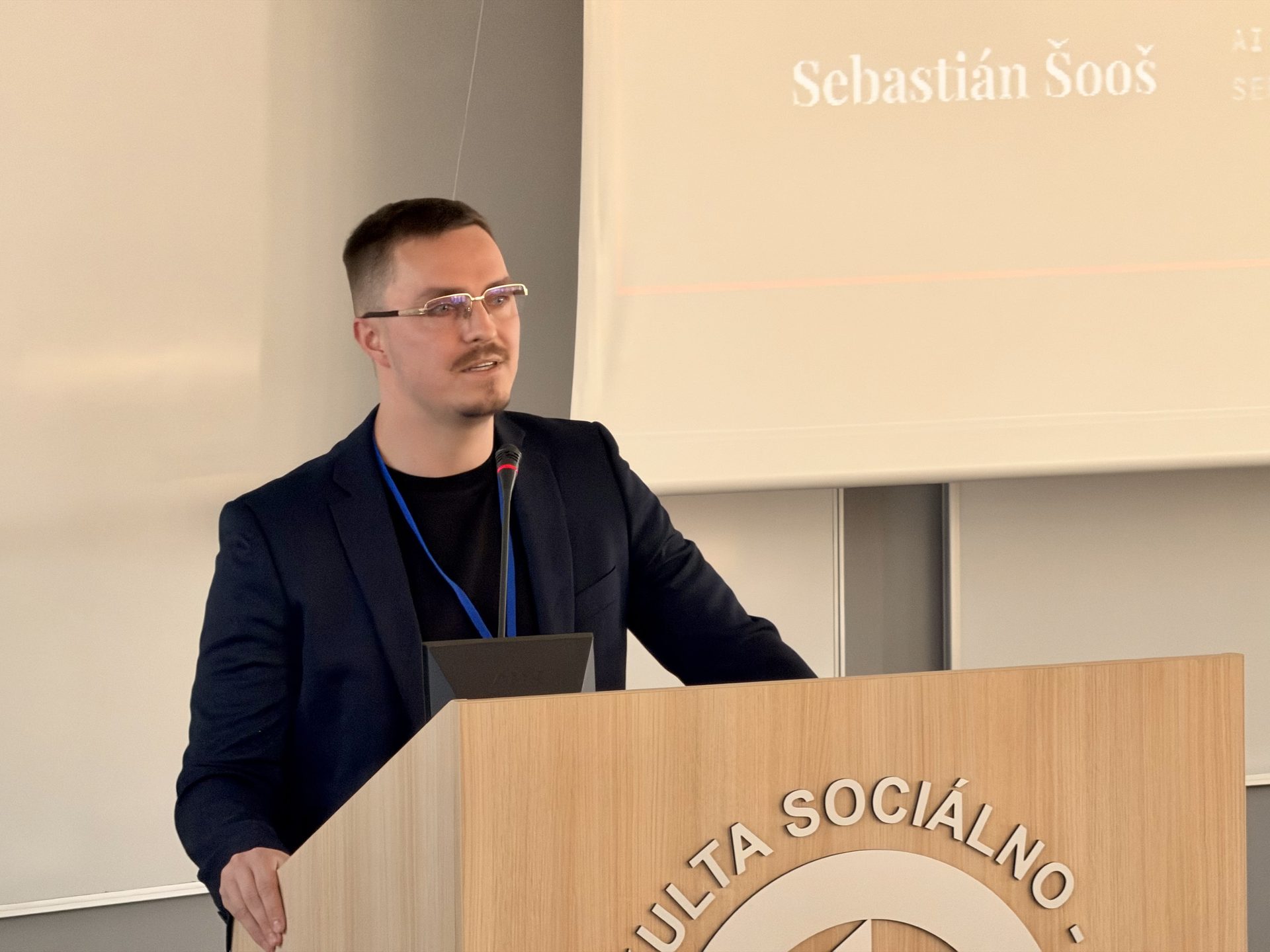
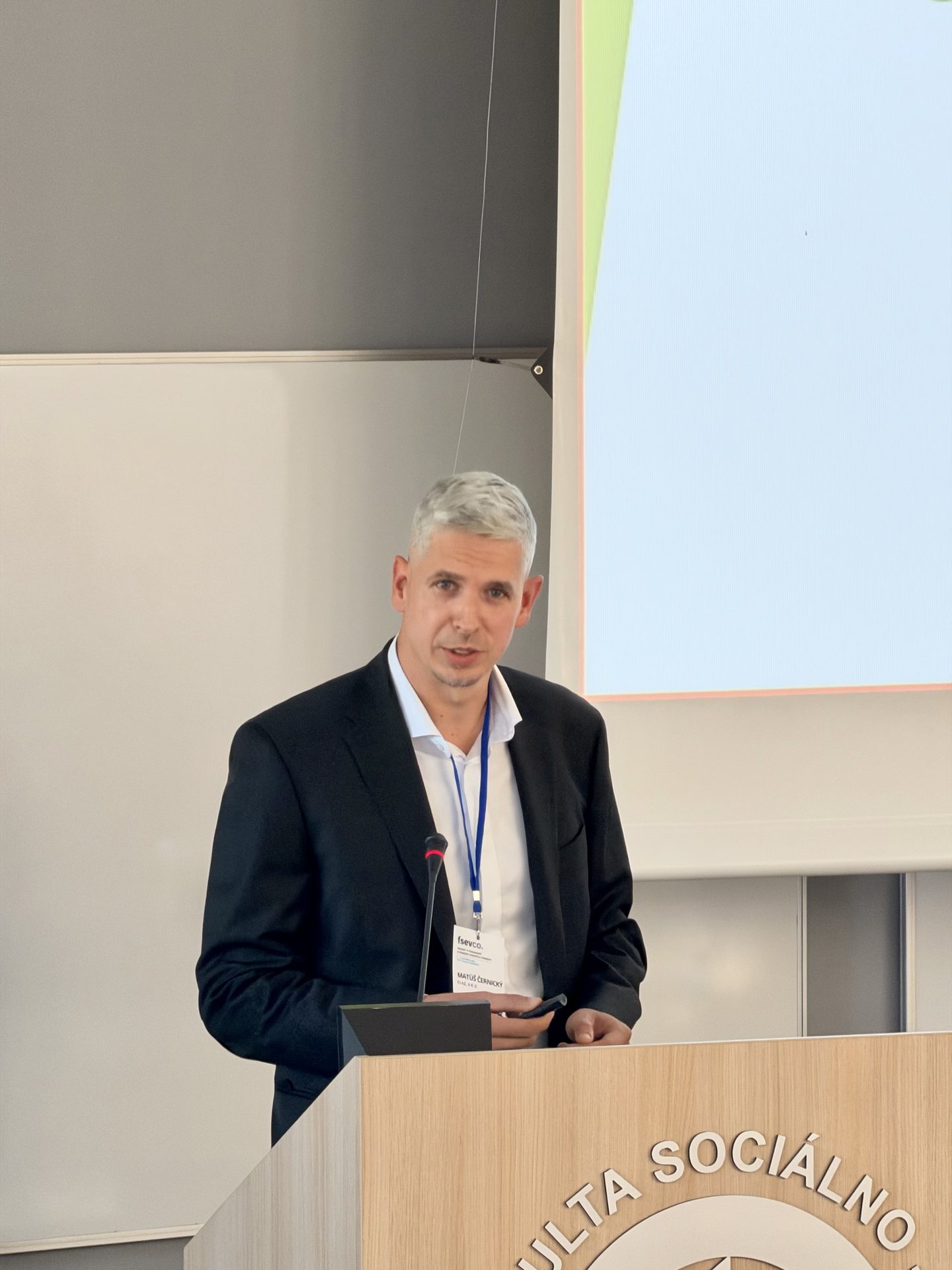

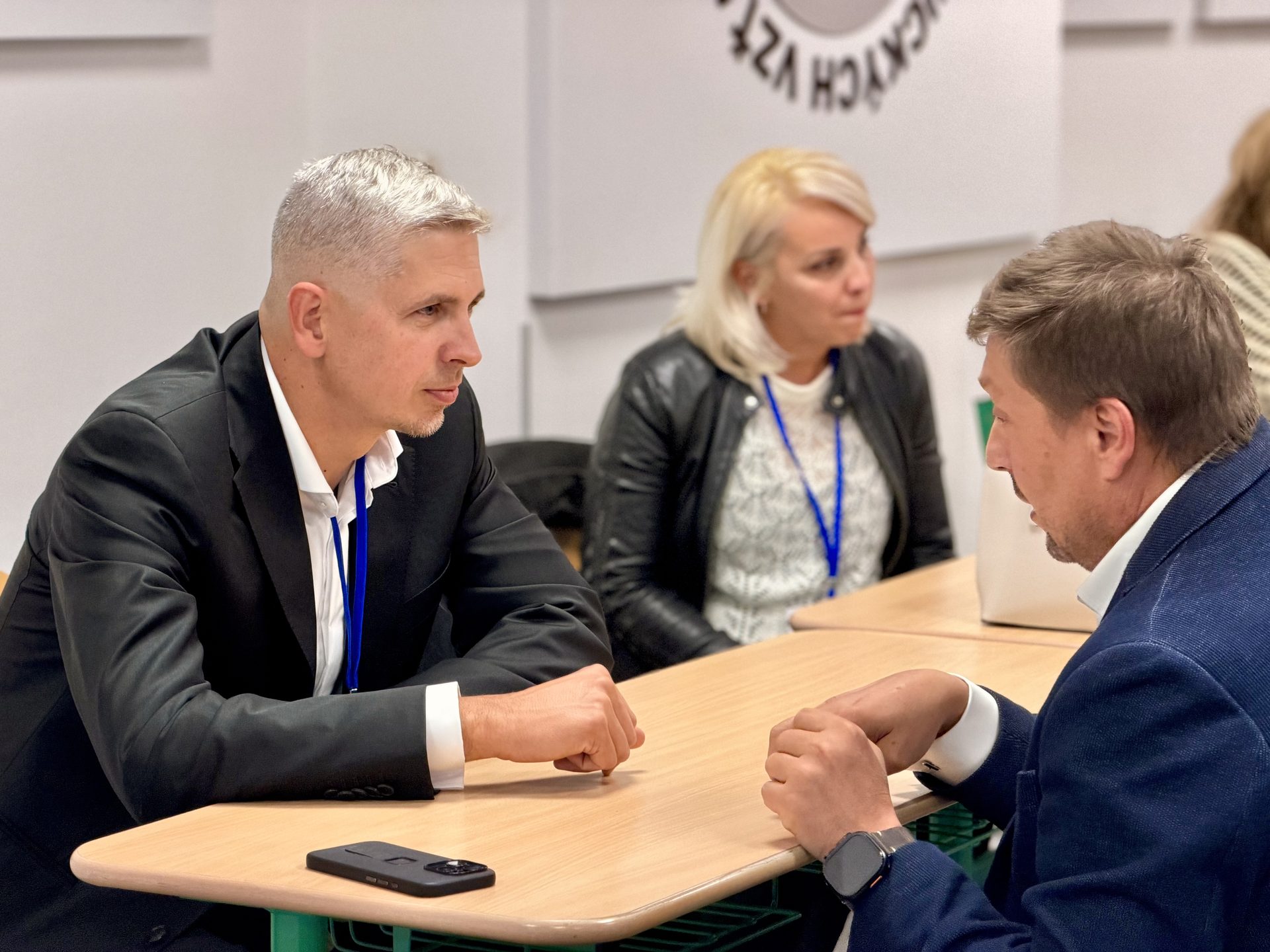
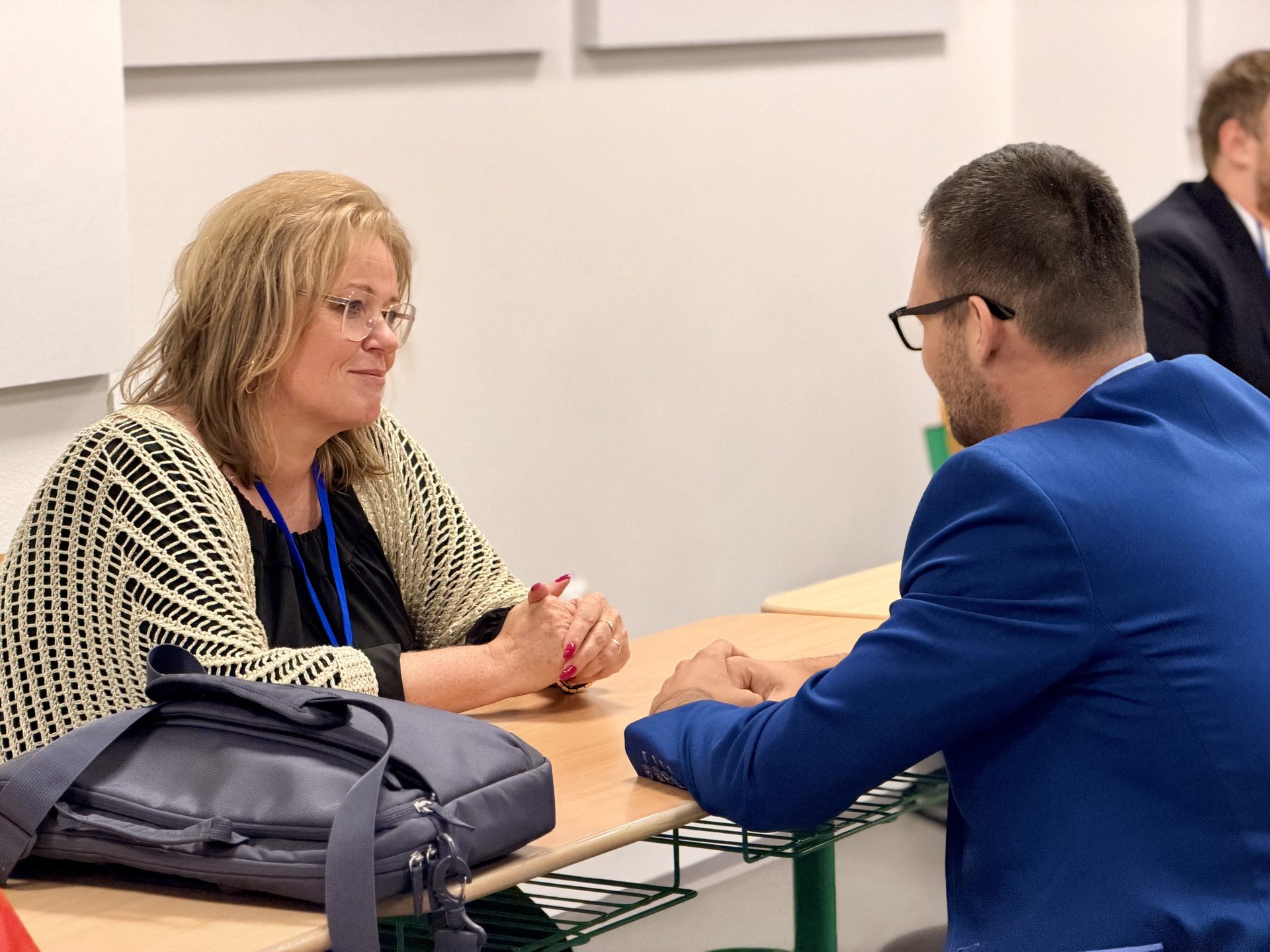
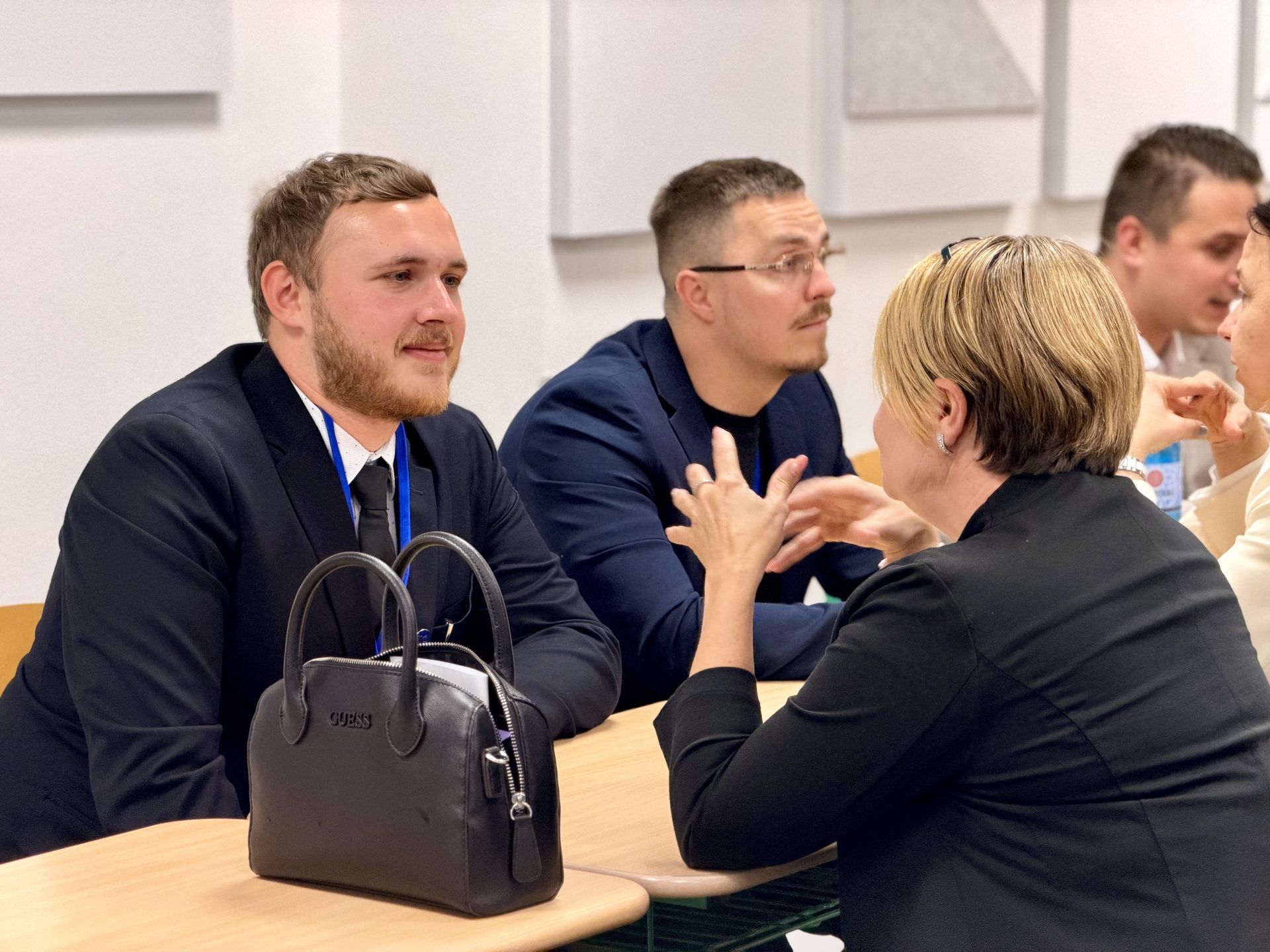
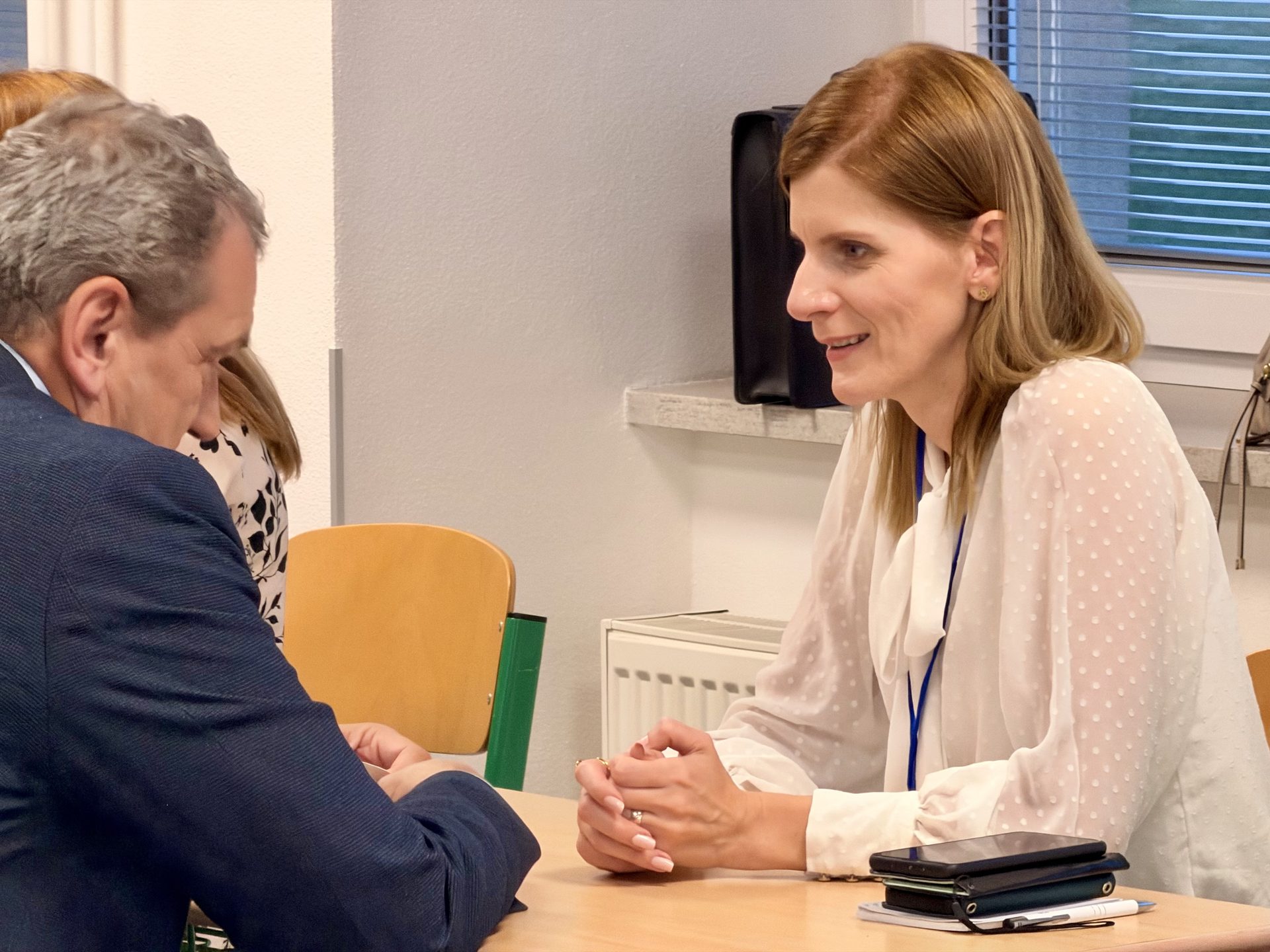
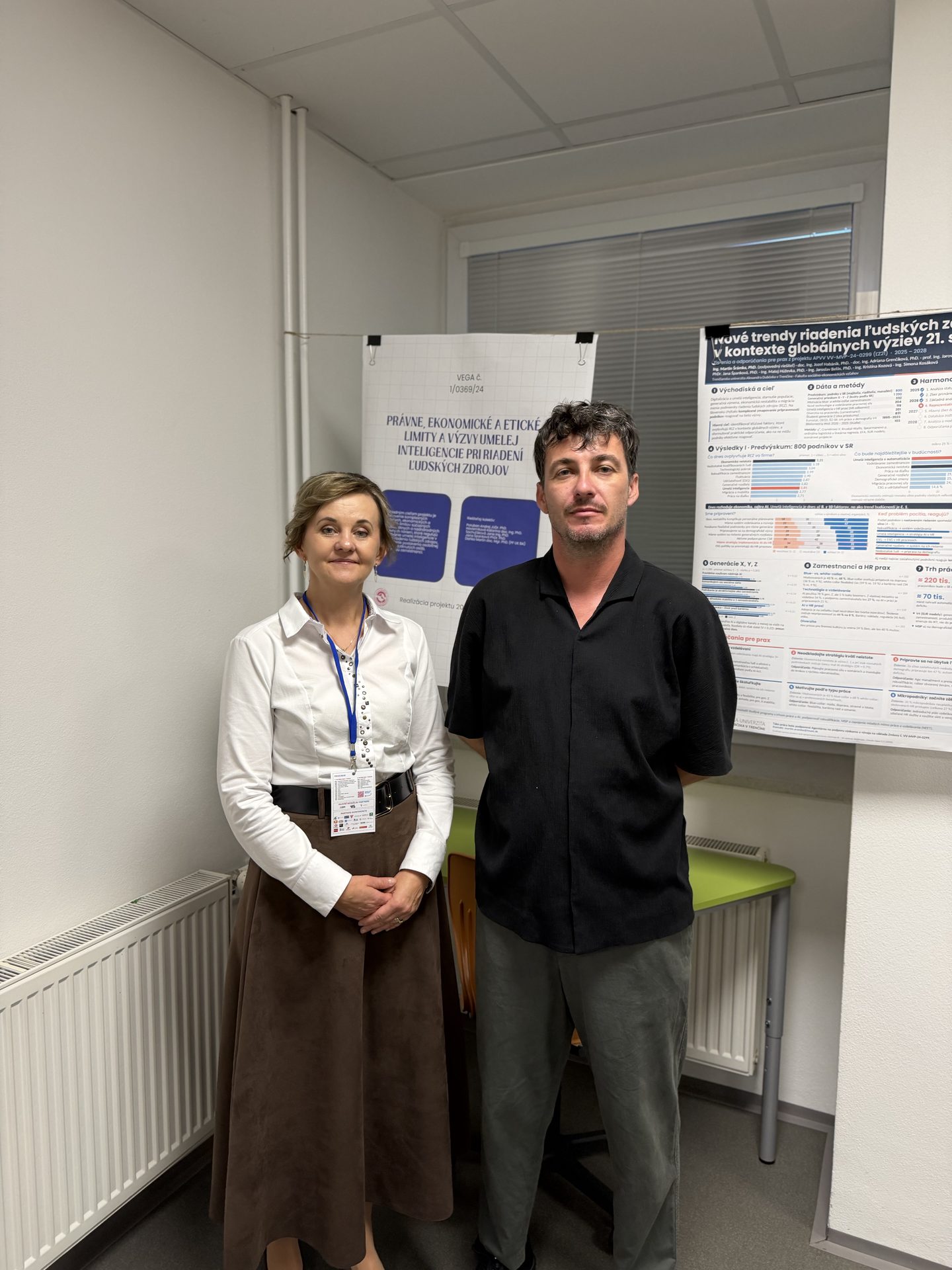
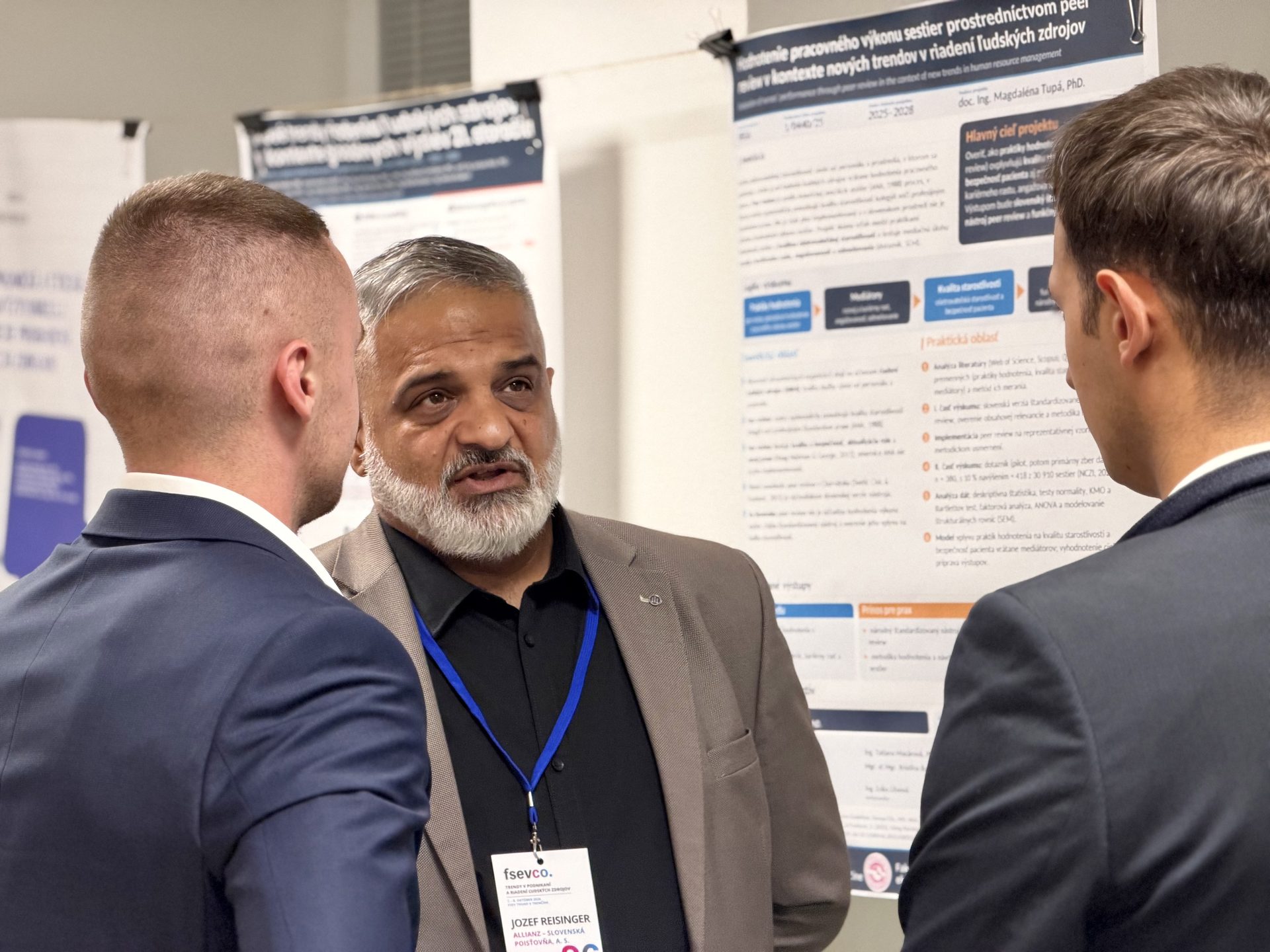



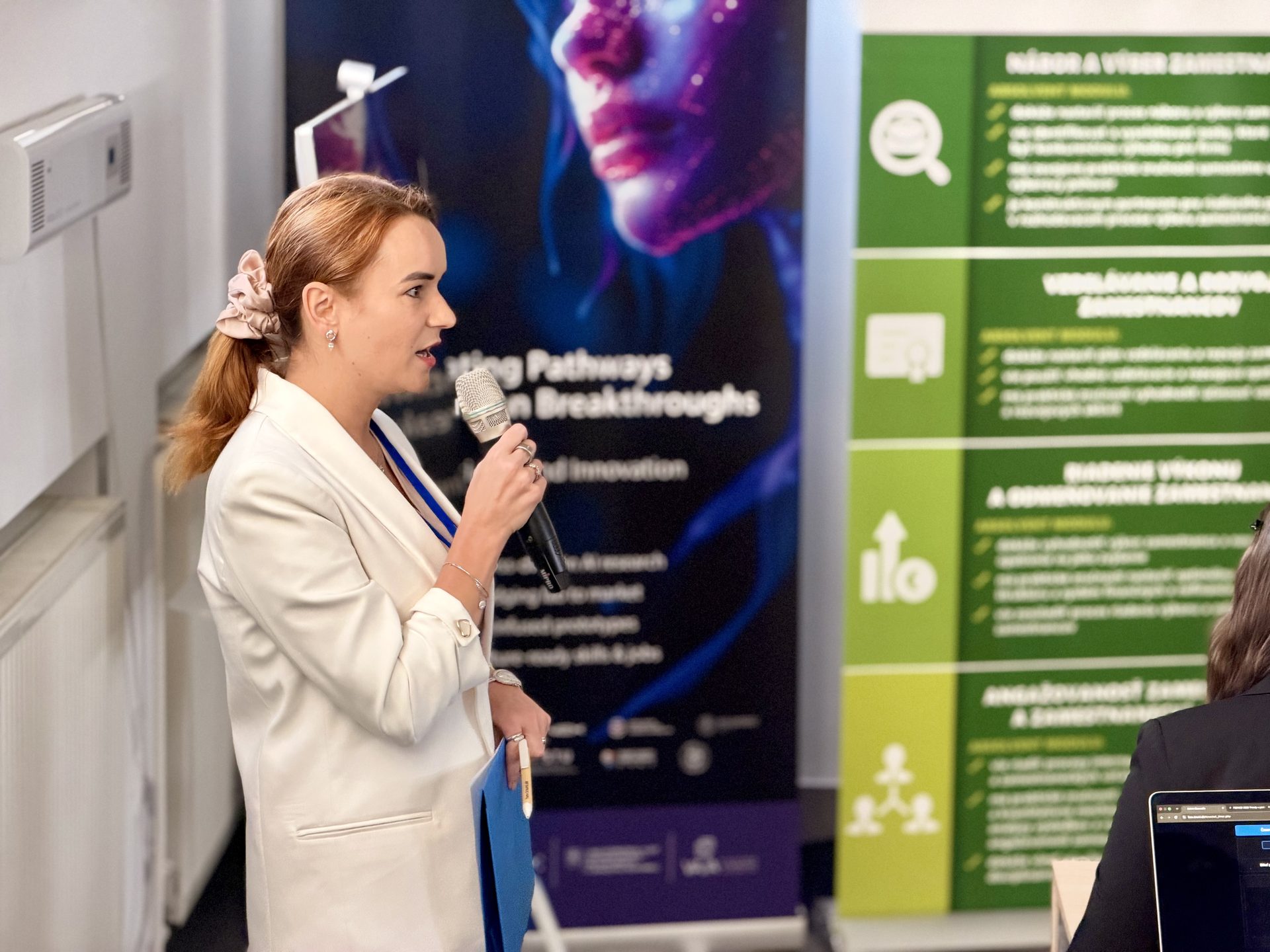
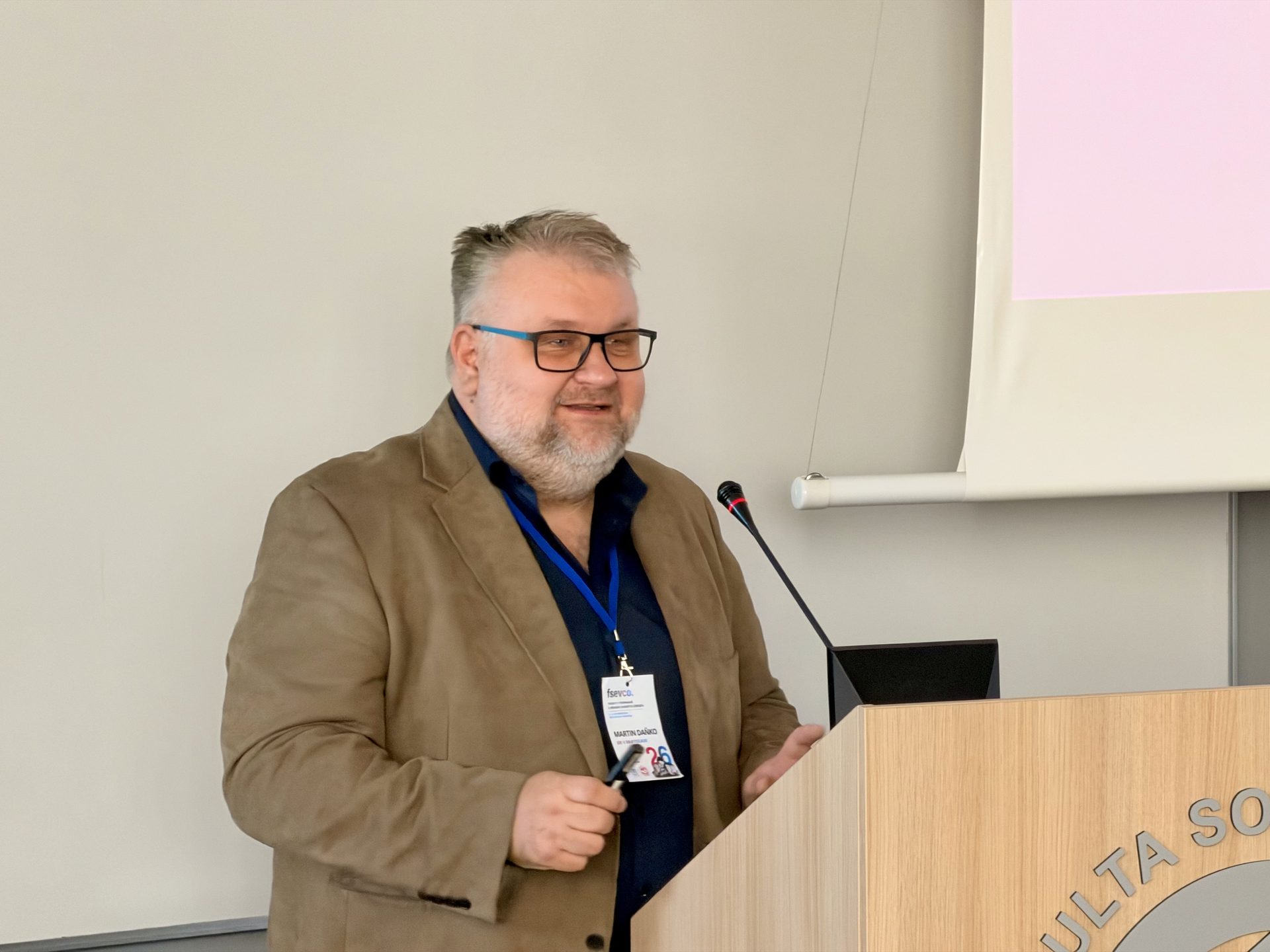

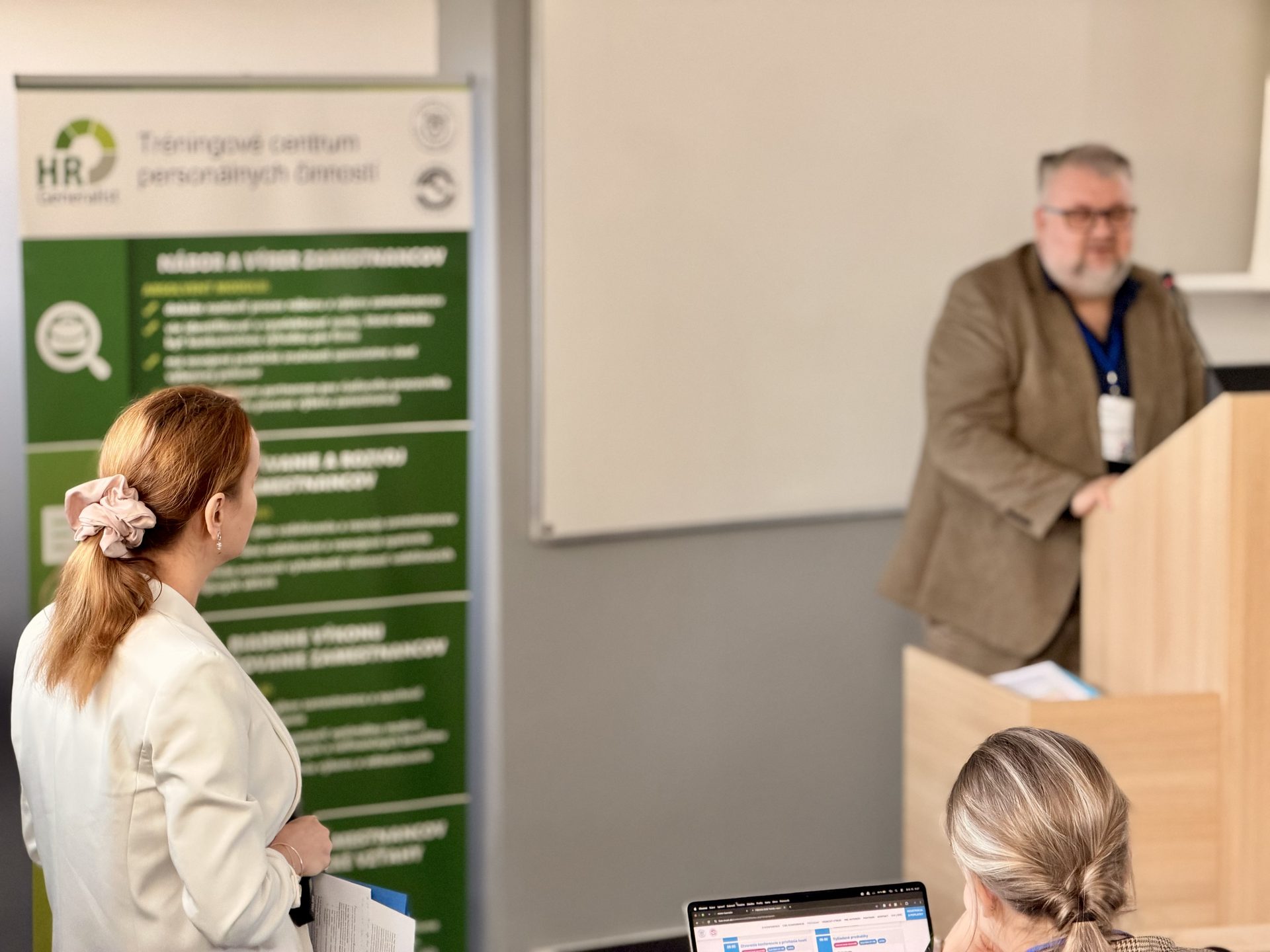
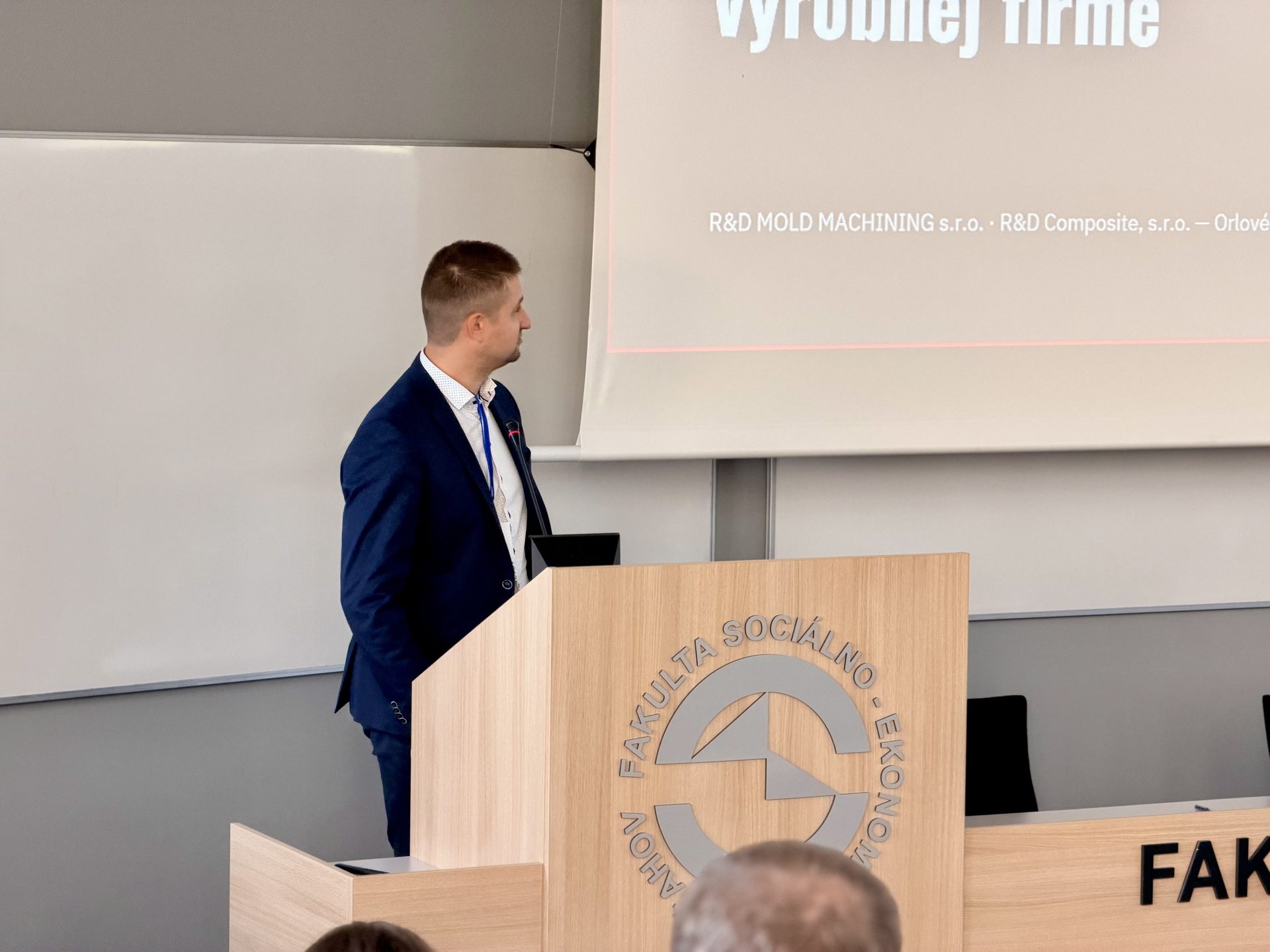
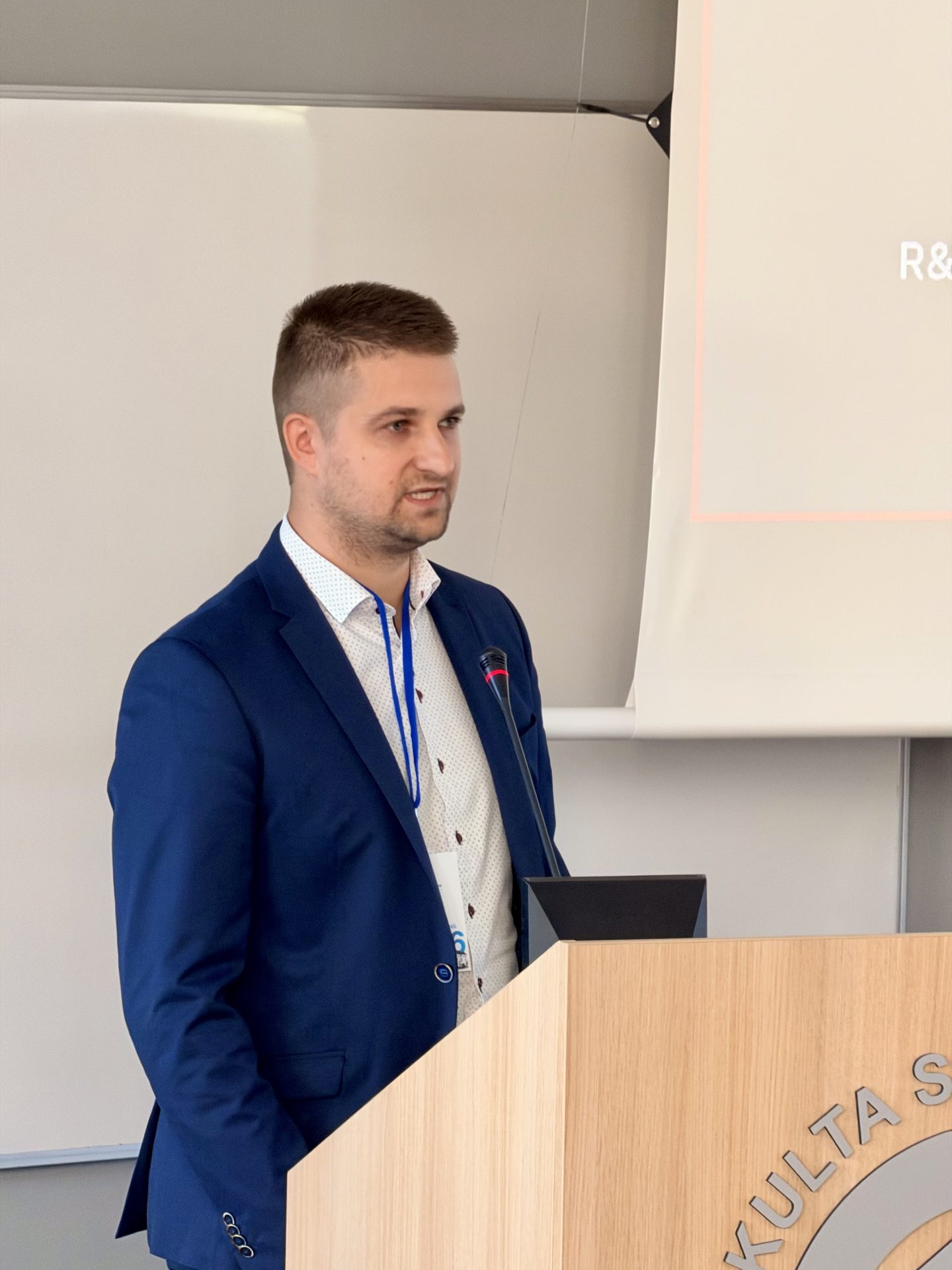
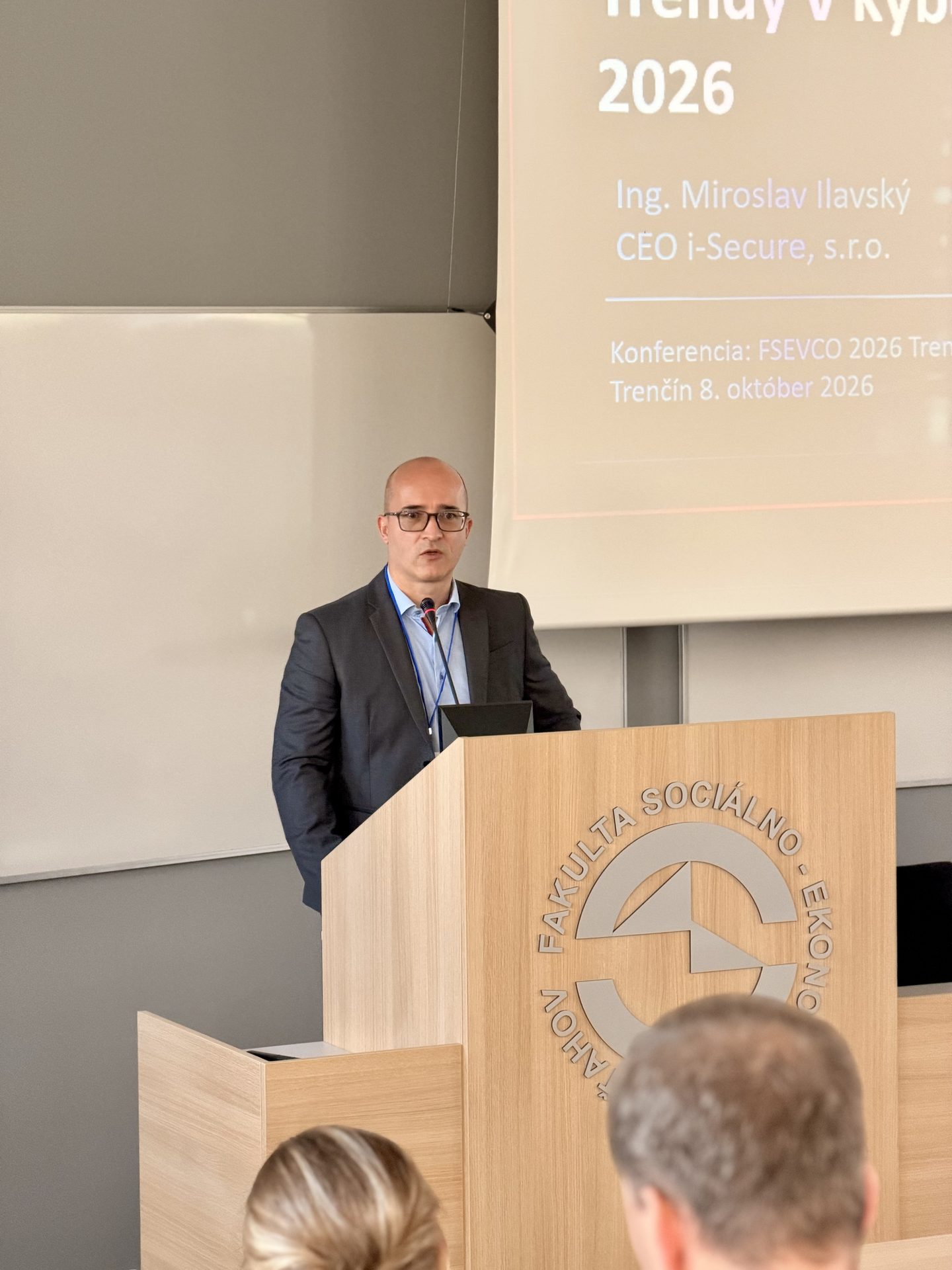
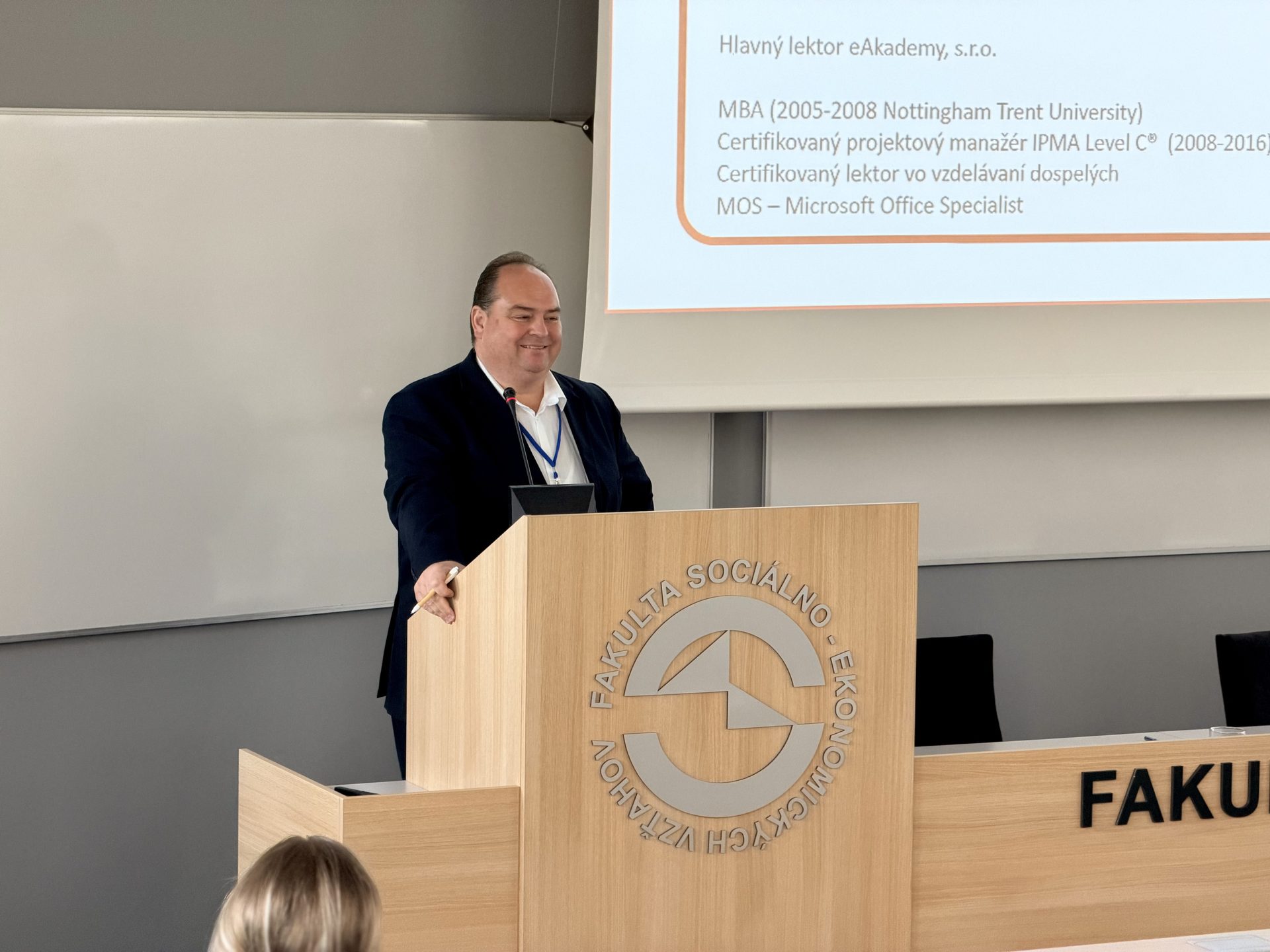
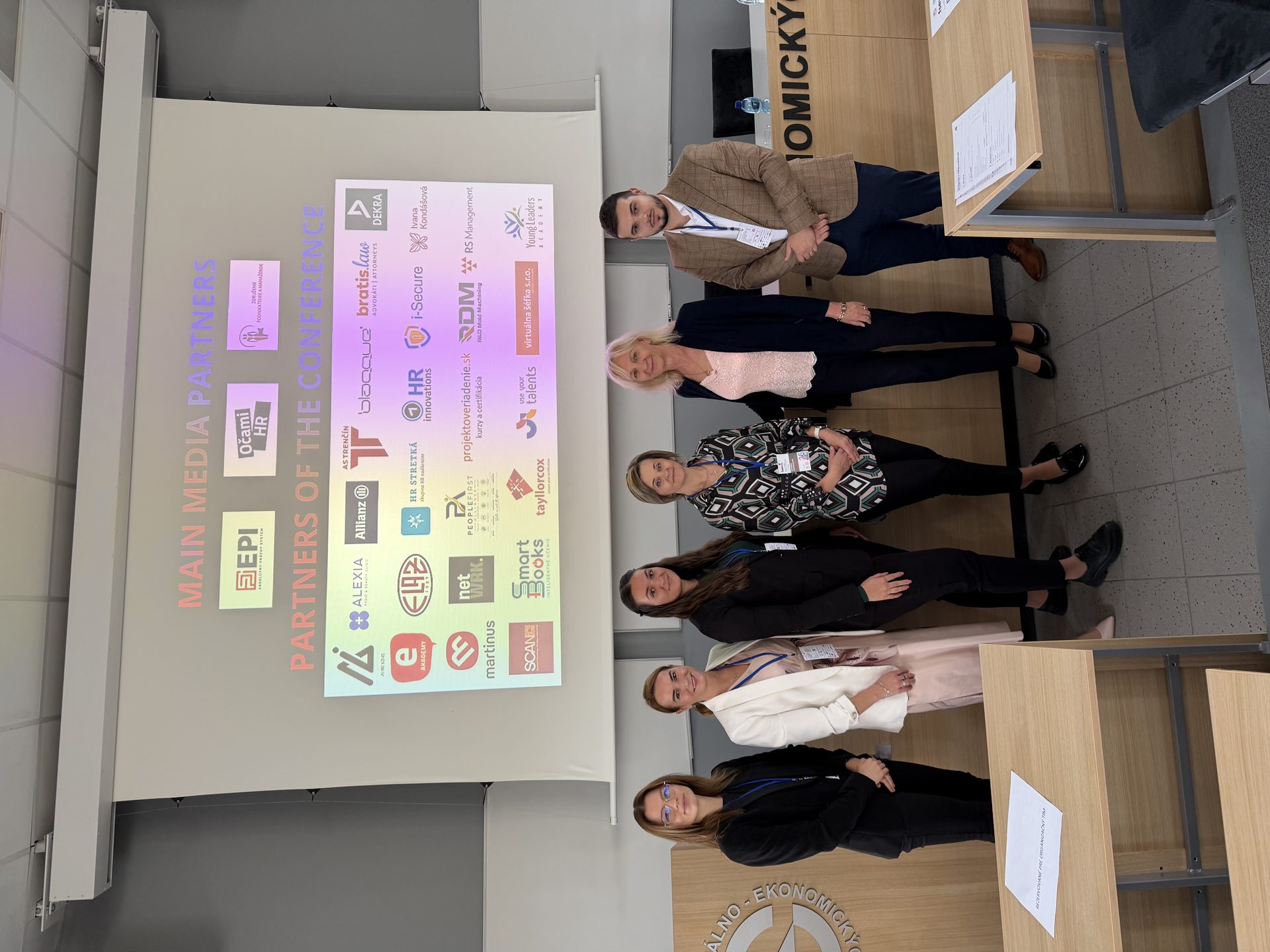
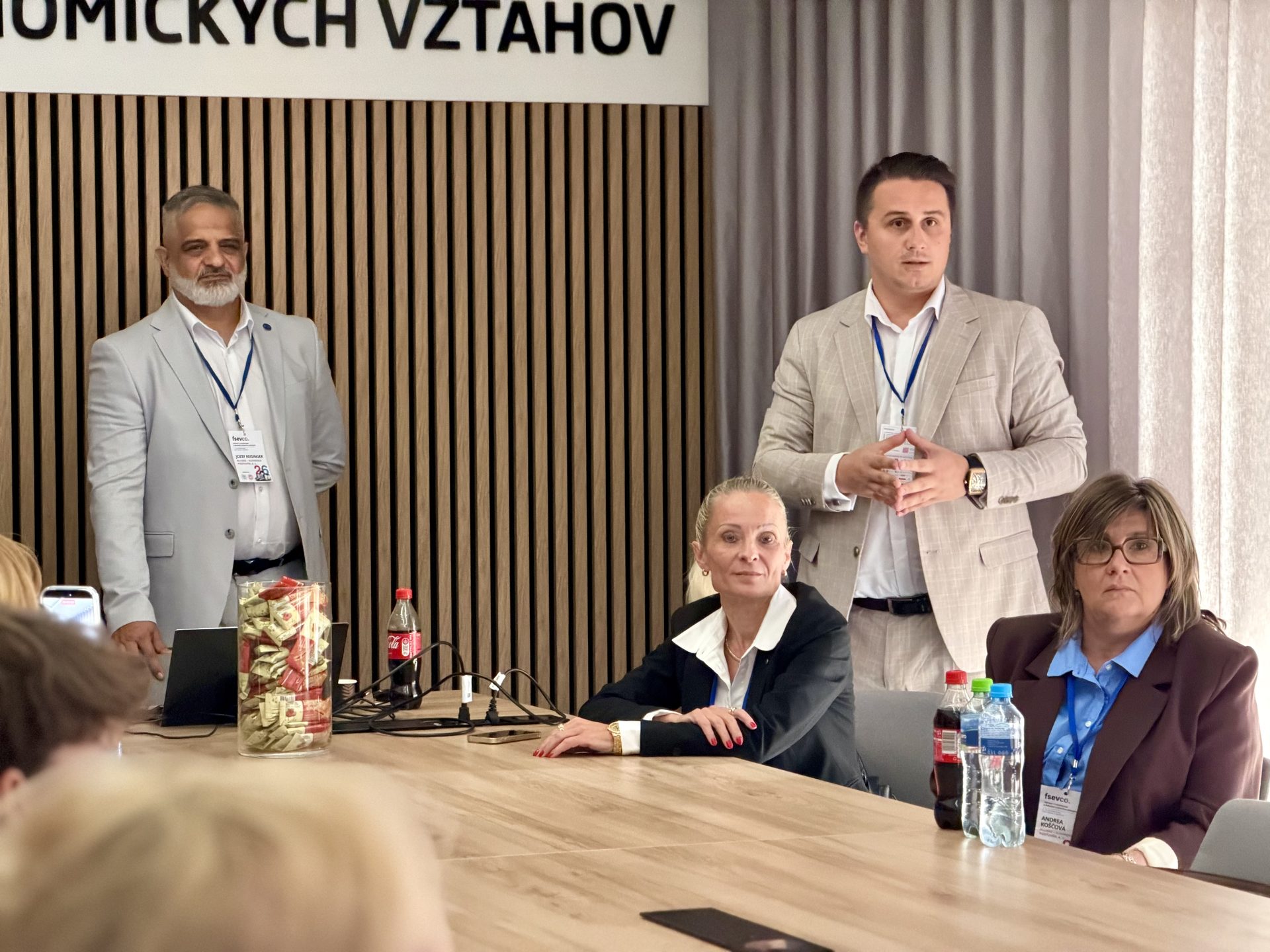
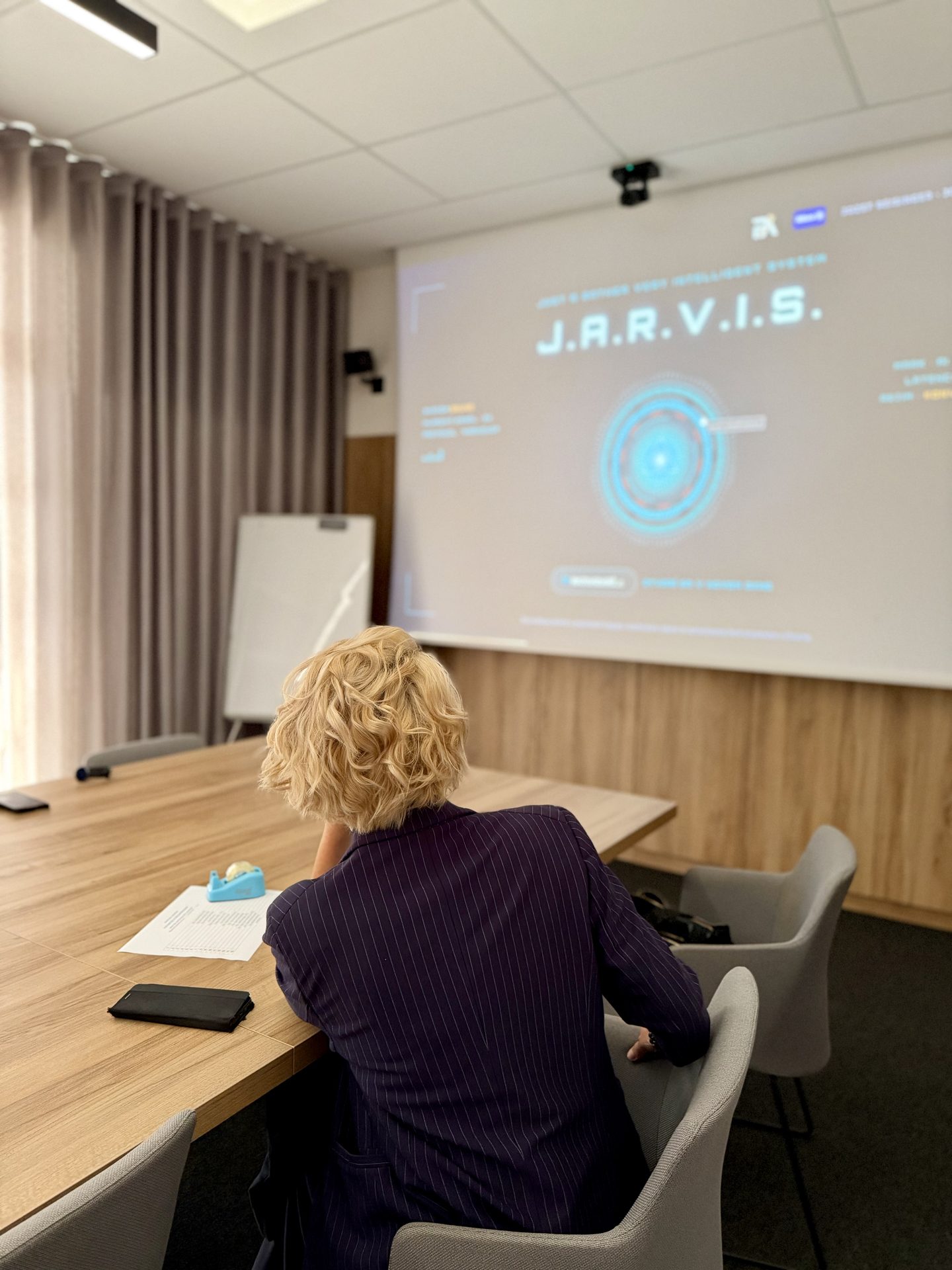
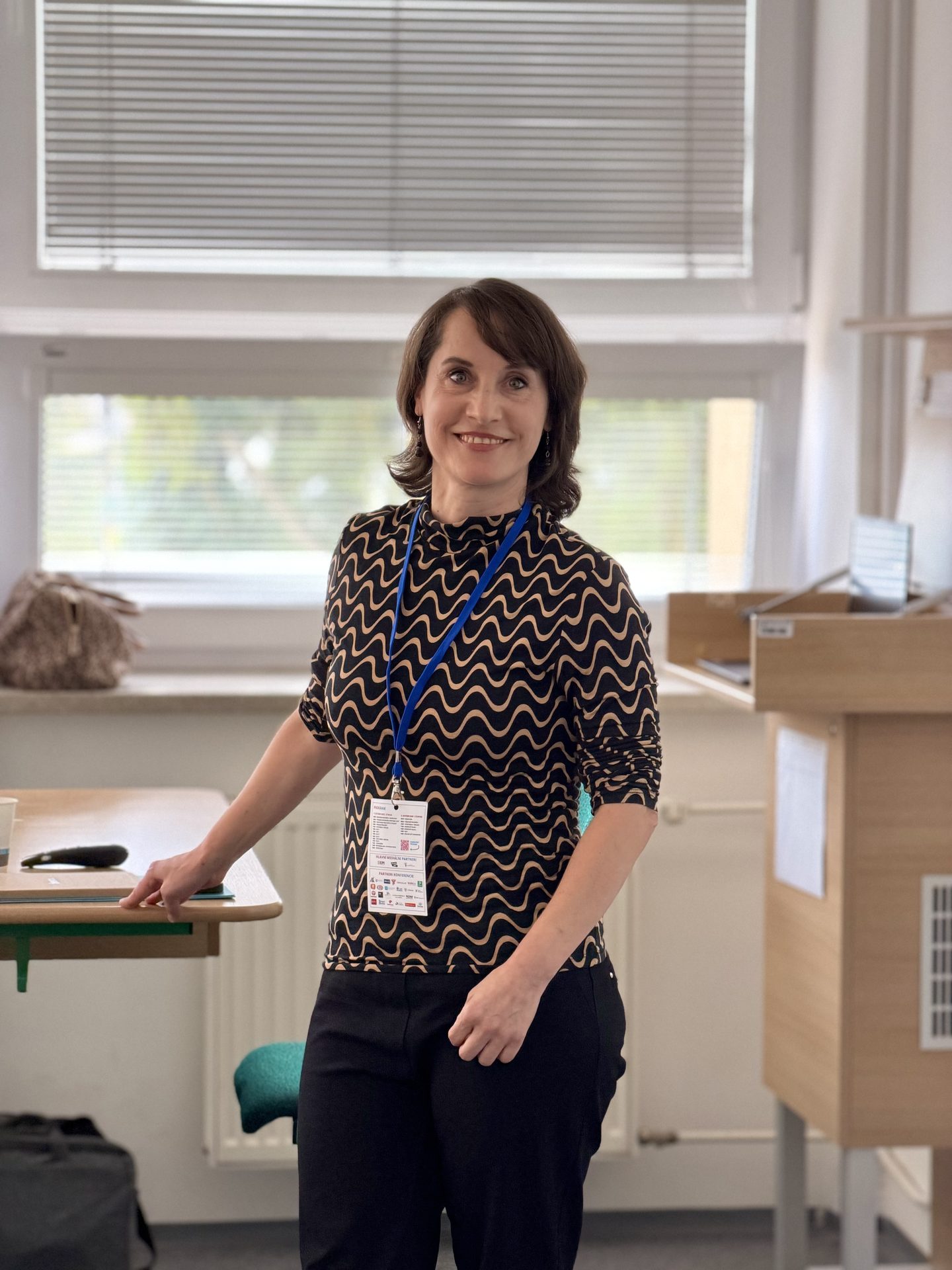
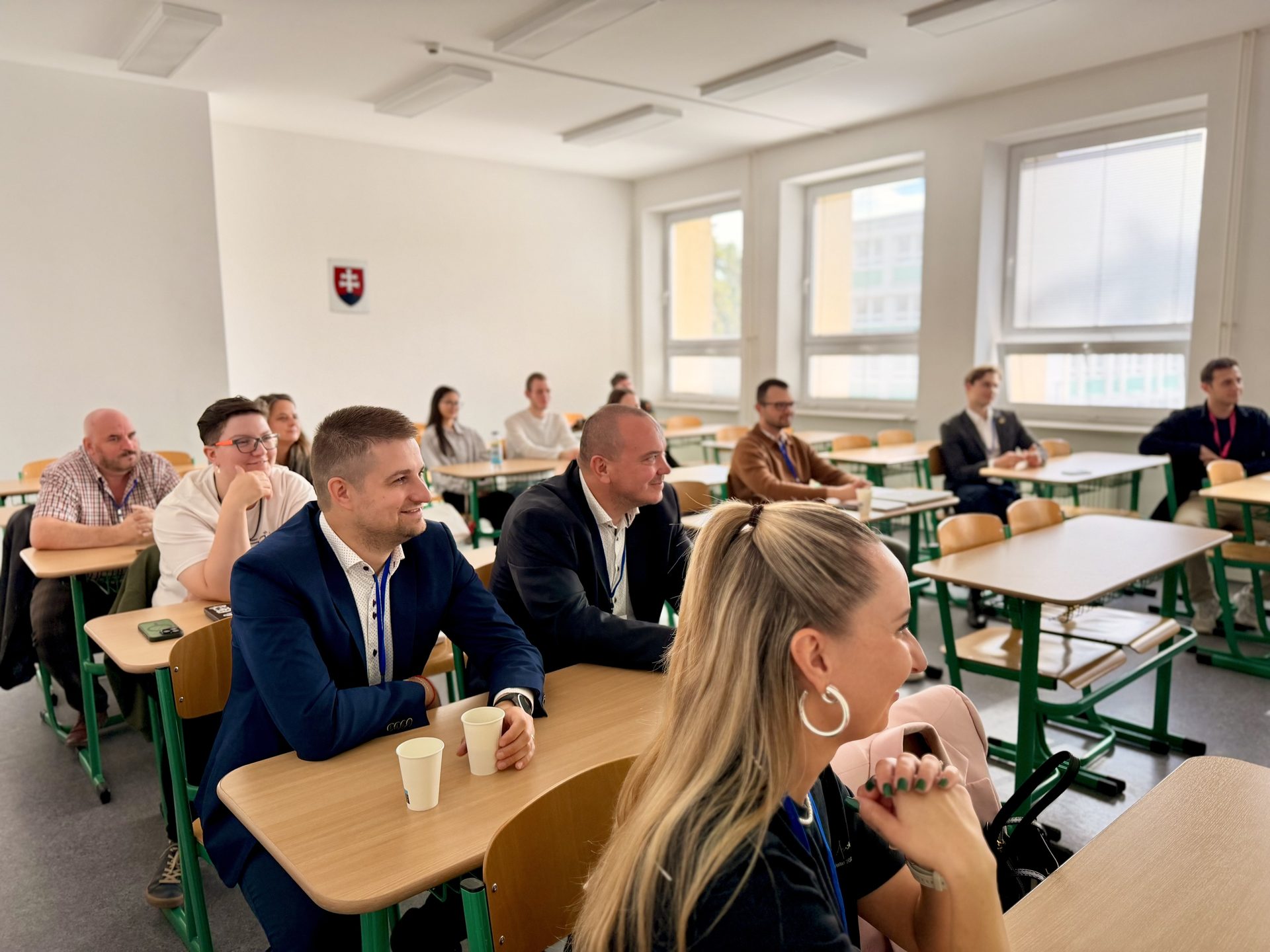
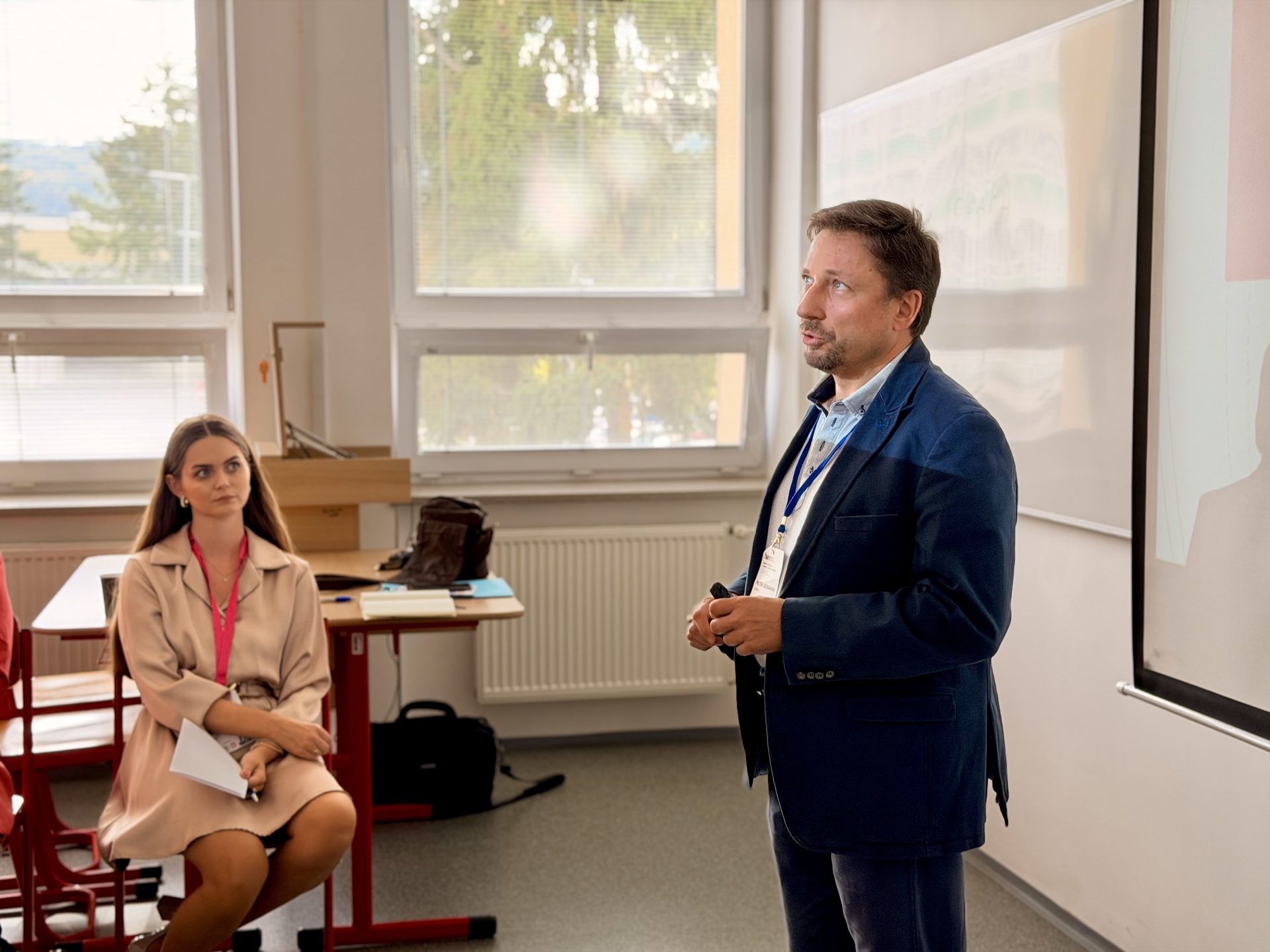
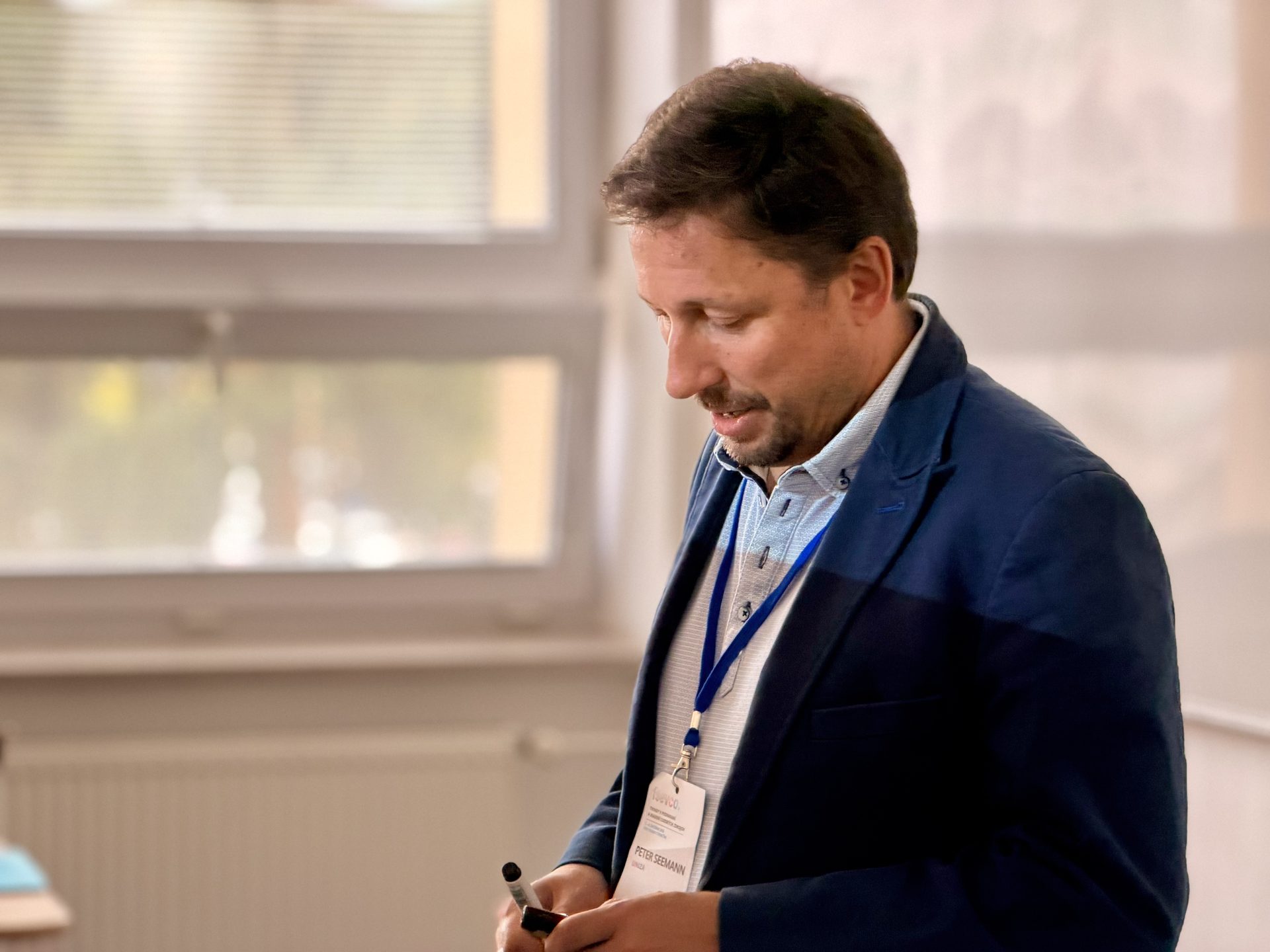

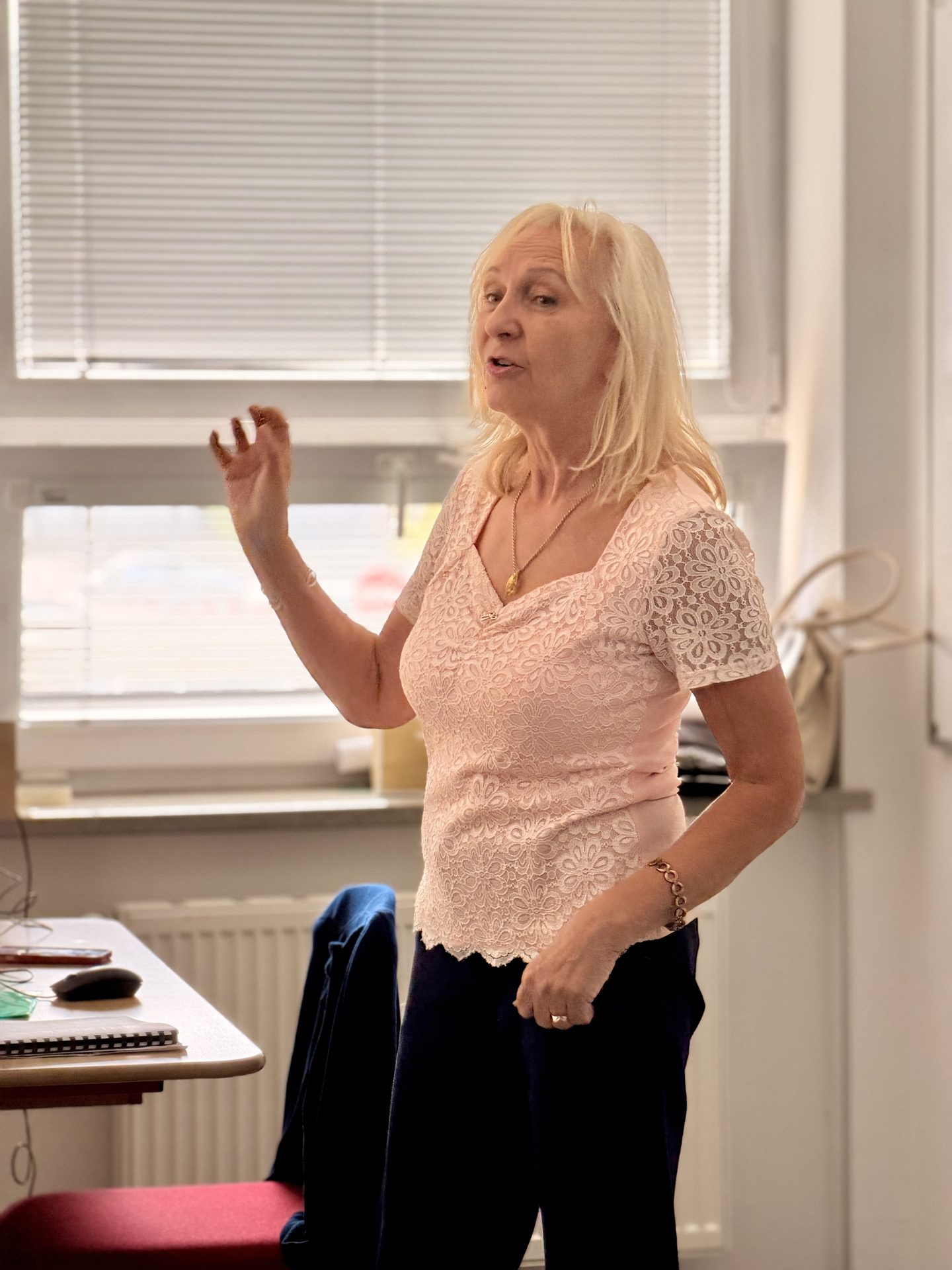
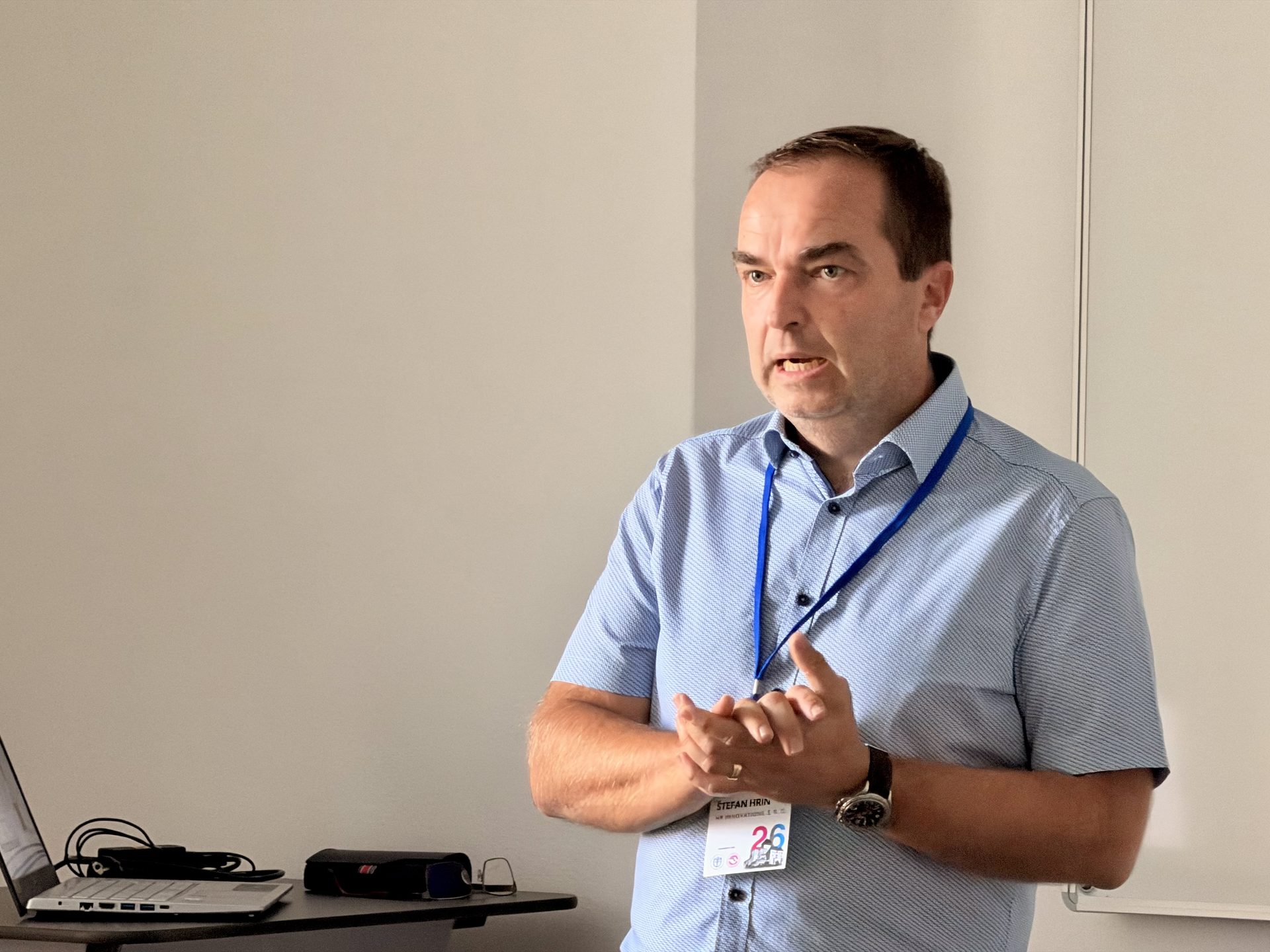

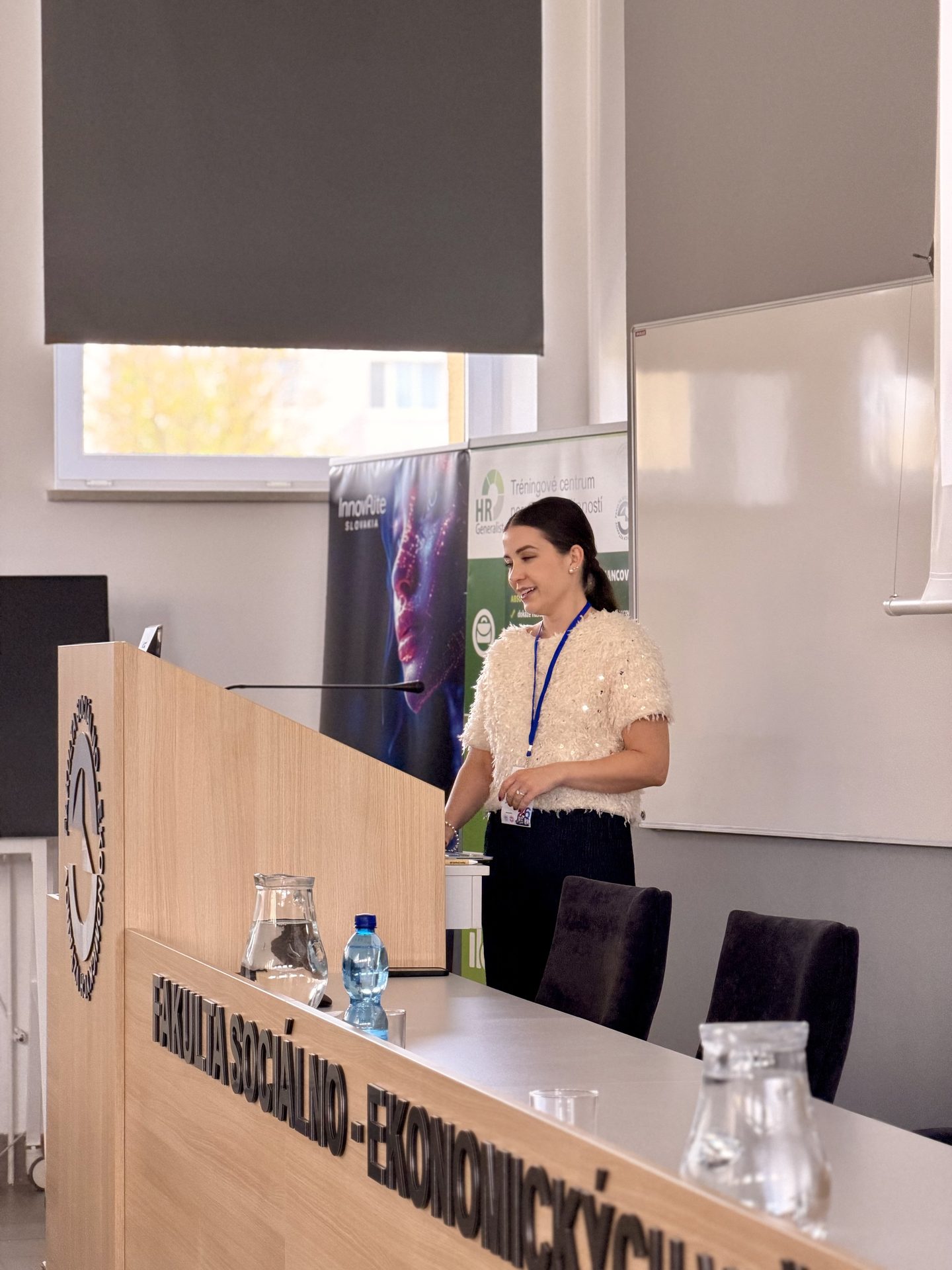

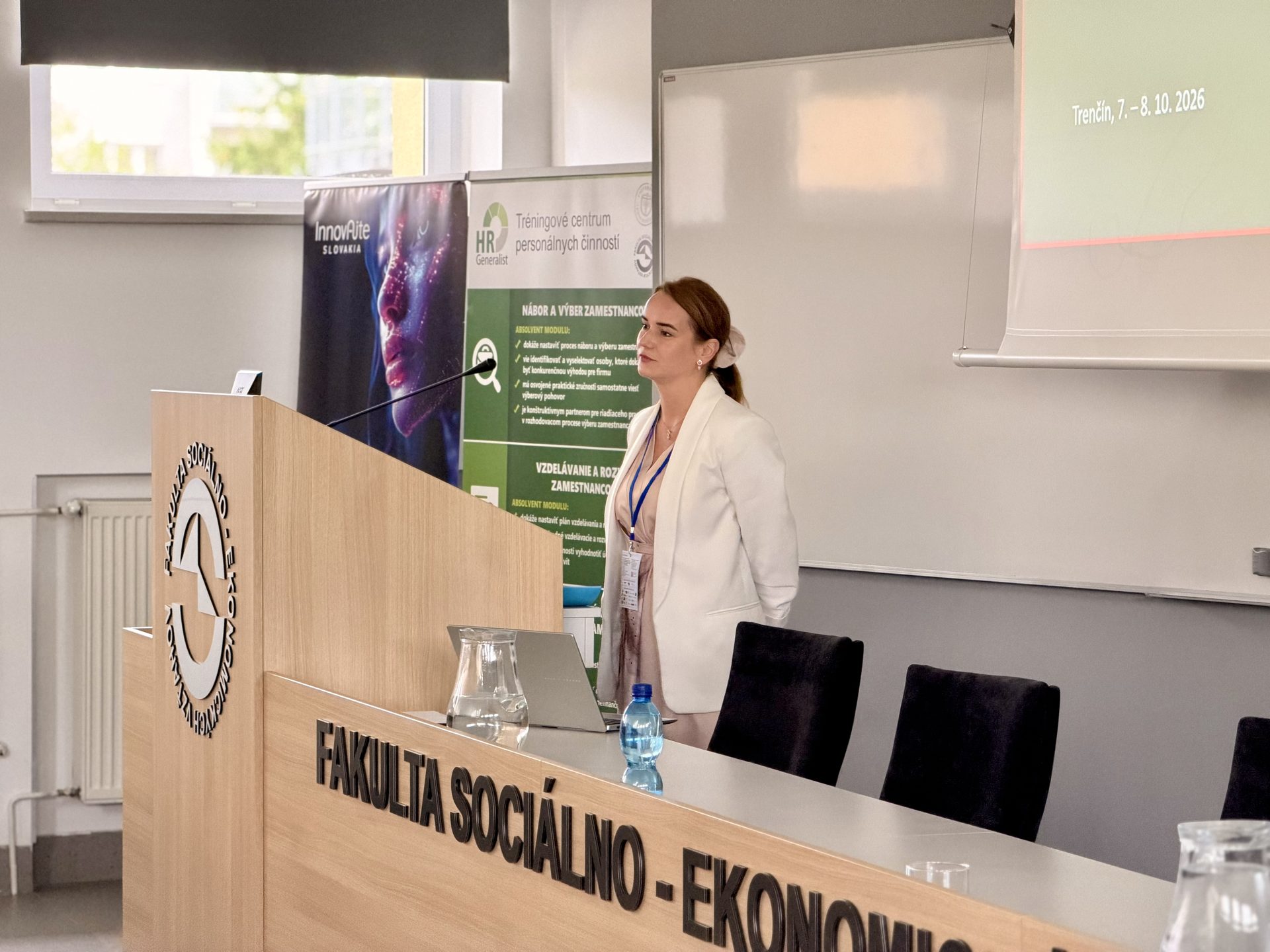
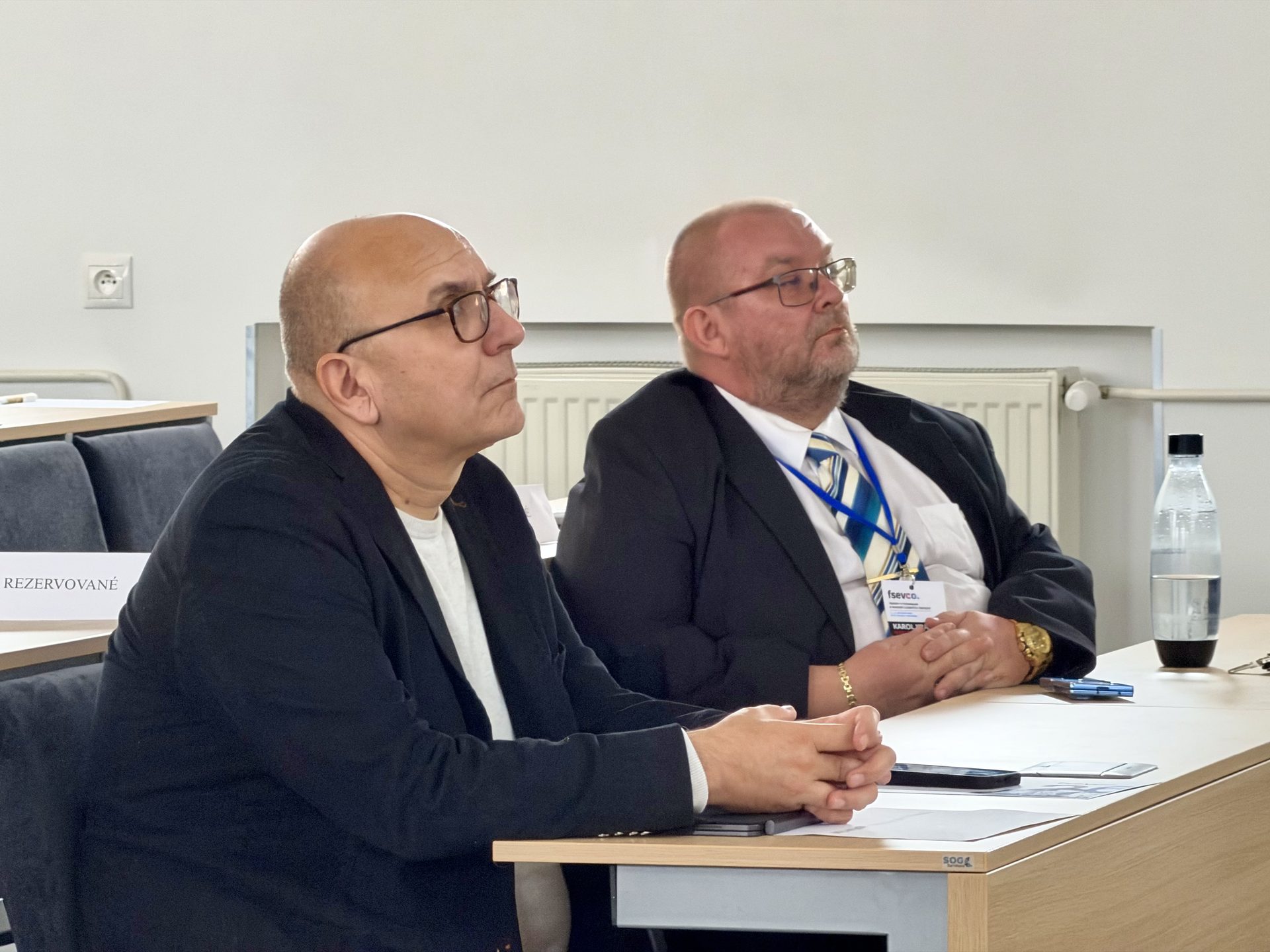
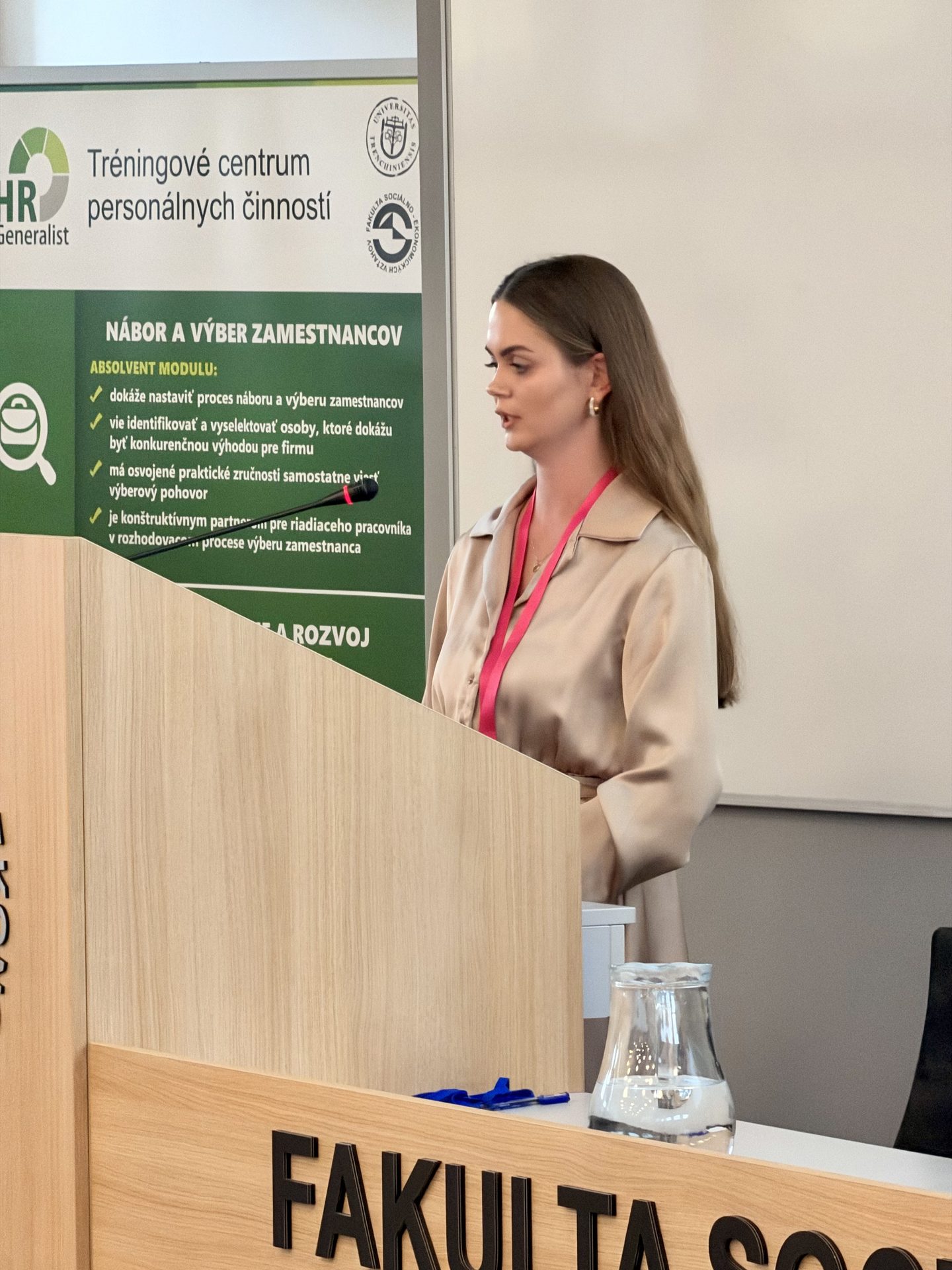
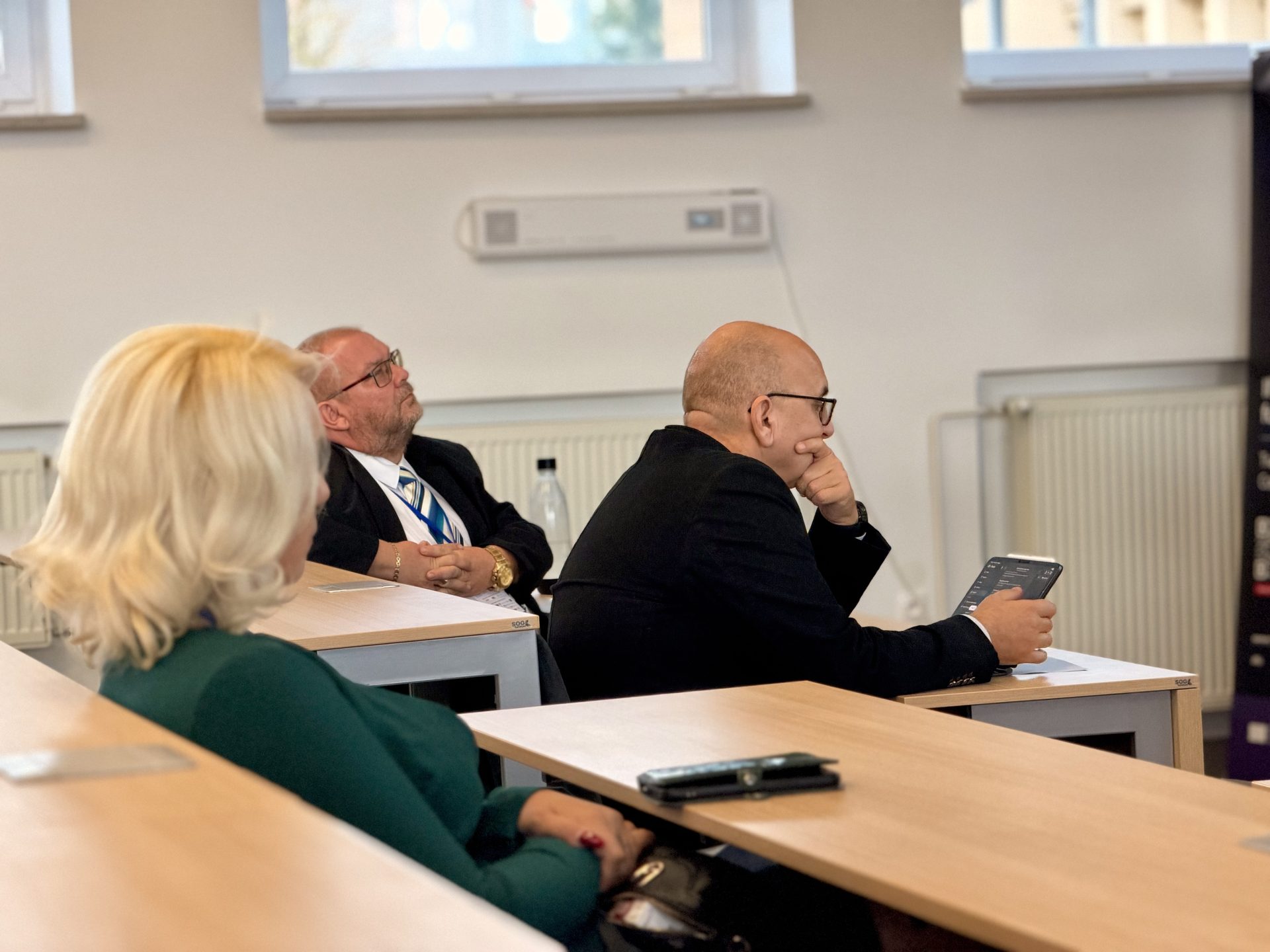
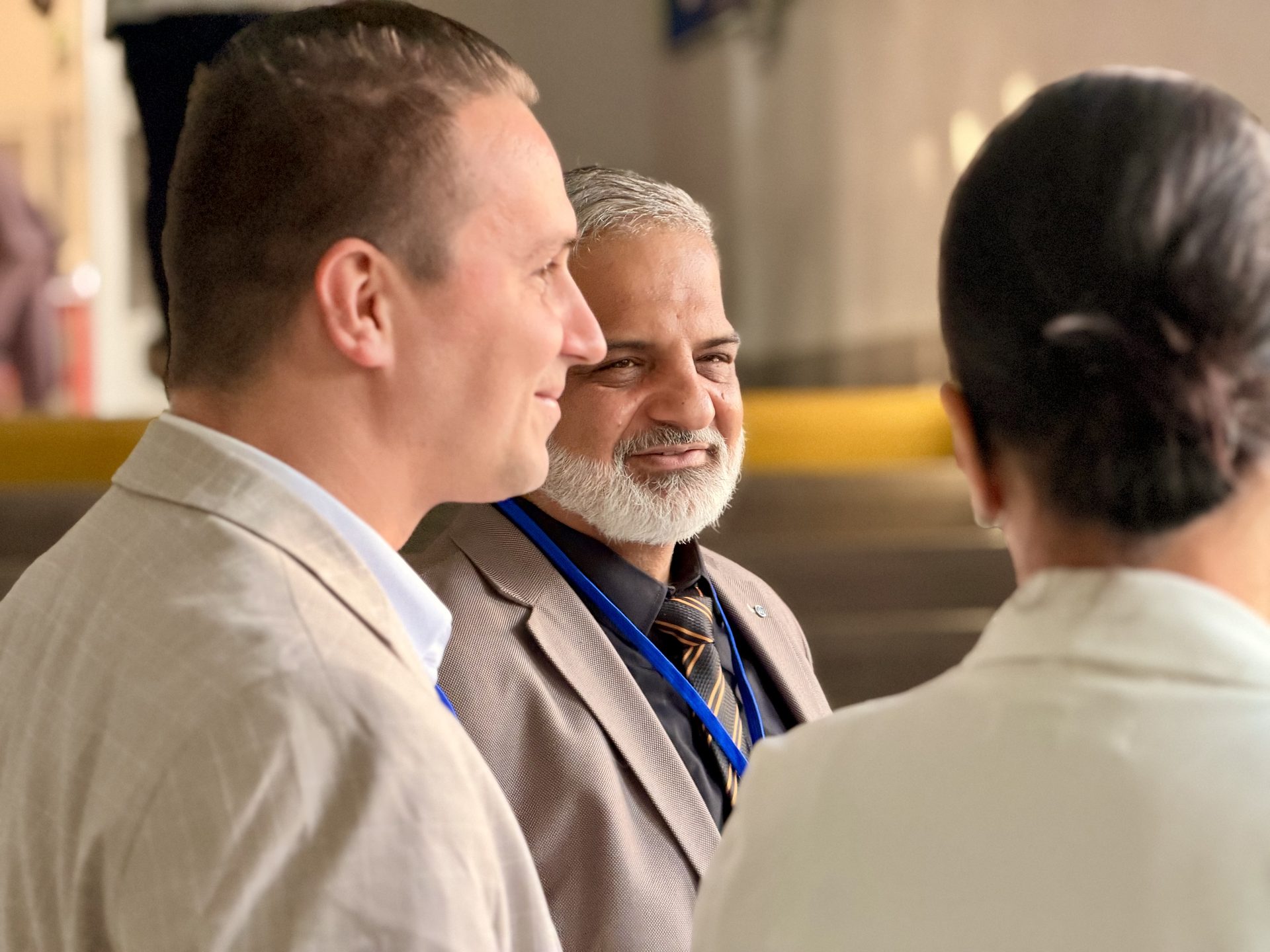

7–8 October 2026 | FSEV TnUAD in Trenčín
Two days filled with expert discussions, inspiring ideas, new insights, and meaningful encounters that reaffirmed the importance of connecting scientific knowledge with the needs of contemporary practice.
On 7–8 October 2026, the Faculty of Social and Economic Relations at Alexander Dubček University of Trenčín became a meeting place for the academic, scientific, and business communities. The third edition of the international scientific conference FSEVCO 2026 – Trends in Business and Human Resource Management provided a platform for professional dialogue, knowledge exchange, the presentation of research findings, and the sharing of experiences from business and organisational practice. Once again, the conference demonstrated that cooperation between academia and practice is essential in addressing current social, economic, and technological challenges.
FSEVCO continues to develop its identity as a professional platform that goes beyond the traditional boundaries of scientific conferences. Its ambition is not merely to present scientific research findings, but above all to create an environment where different perspectives, experiences, and approaches to addressing shared challenges can come together. The 2026 edition therefore brought together researchers, university academics, doctoral students, entrepreneurs, managers, experts in human resource management, law, digitalisation, and artificial intelligence, as well as representatives of other professional fields. The diversity of participants’ professional backgrounds created opportunities for discussions that transcended individual disciplines and offered a broader perspective on the changing conditions in which organisations operate.
The conference programme reflected the dynamic changes currently affecting businesses, institutions, and employees themselves. Particular attention was devoted to emerging trends in human resource management, new approaches to leadership, developments in the business environment, the digitalisation of work processes, and the growing importance of artificial intelligence.
The discussions also highlighted the need to consider technological progress within a broader context, particularly in relation to human capital, organisational culture, ethics, and responsible decision-making. One of the conference’s central messages was that the future of organisations will be shaped not only by the availability of new technologies, but above all by the ability of people and organisations to use them meaningfully and effectively.
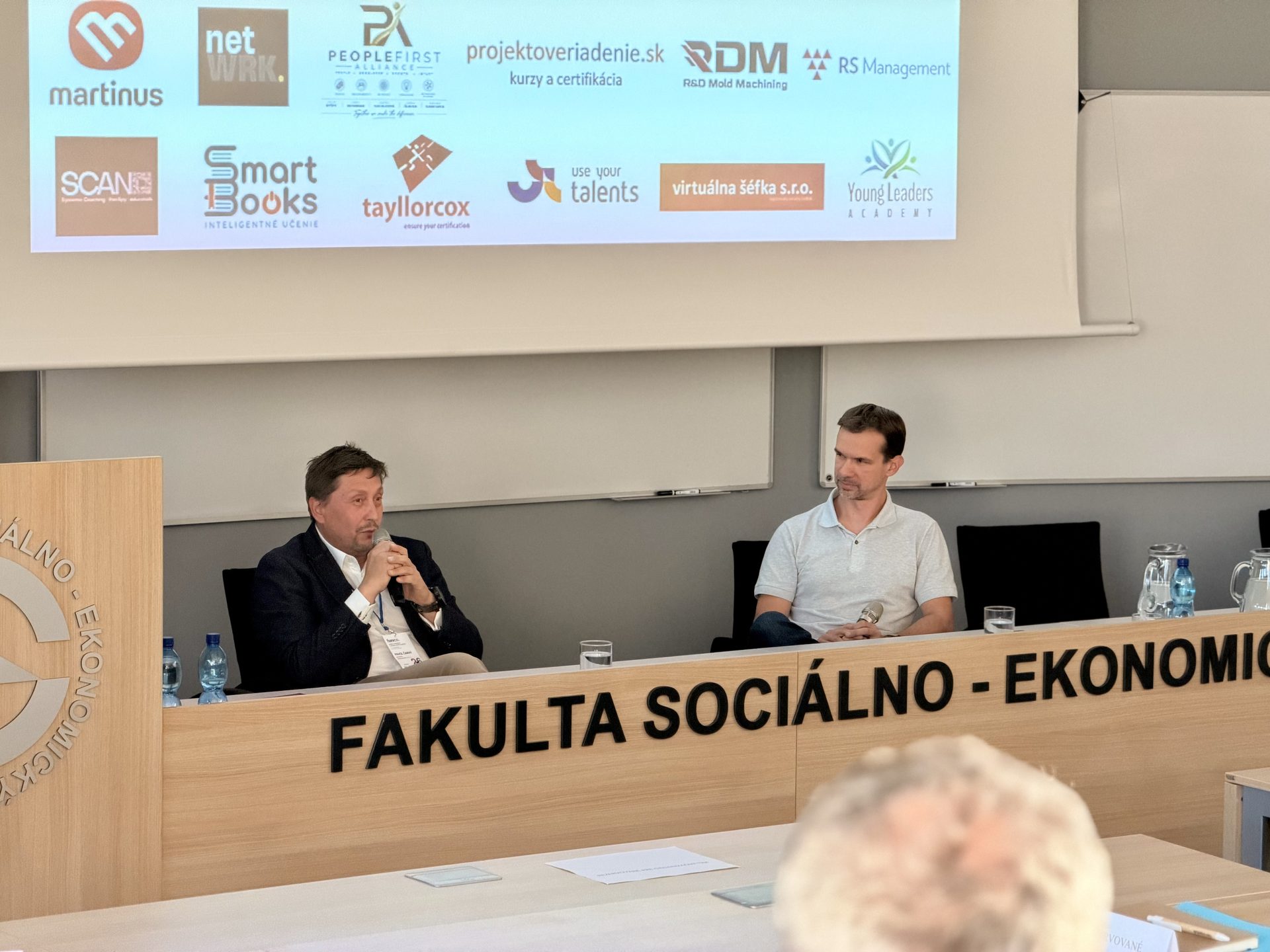
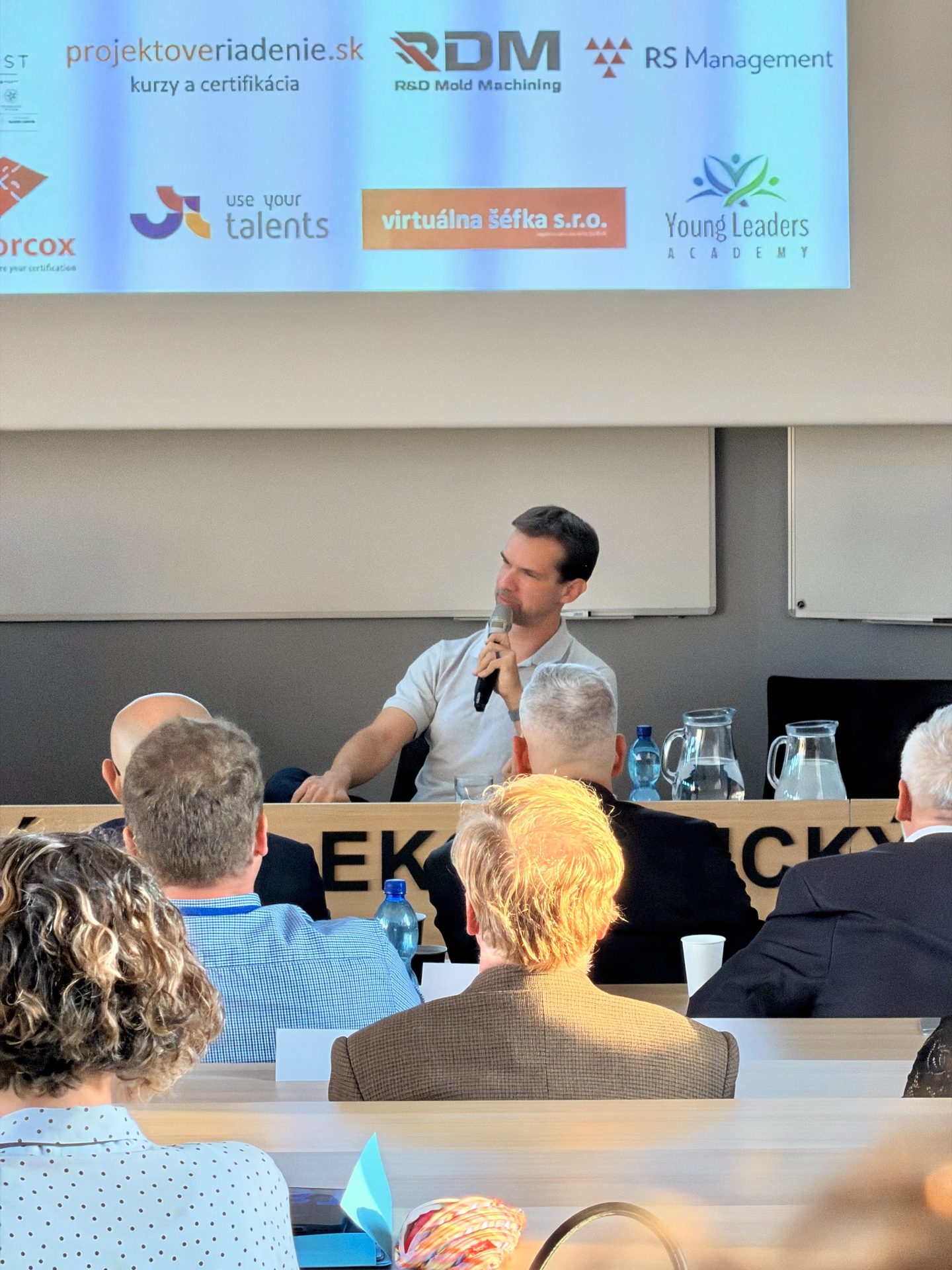
An important aspect of the conference was the connection between scientific knowledge and practical experience. Expert lectures and research presentations were complemented by perspectives from professionals working directly in the business environment. Participants thus had the opportunity to compare theoretical approaches with the actual needs of organisations, discuss possibilities for implementing new solutions, and identify areas in which scientific research can deliver practically applicable results. This approach to the programme encouraged open dialogue and emphasised that scientific knowledge acquires particular value when it responds to the current needs of society and economic practice.
Special attention was given to artificial intelligence and its growing influence on the workplace. This topic became an integral part of discussions on the future of human resource management, managerial competencies, and the transformation of business processes. The conference provided an opportunity to reflect on the possibilities offered by emerging technologies, as well as questions concerning their responsible use, employee readiness, and changing expectations of organisational leadership. An important message was that technological transformation is not exclusively a technical matter, but primarily a process requiring changes in mindset, competency development, and the ability to effectively integrate human and technological potential.
The conference also provided a platform for early-career researchers and doctoral students to present their research findings, discuss them with experienced experts, and receive valuable feedback. Supporting the next generation of researchers is an important part of FSEVCO’s mission, as it promotes the continuity of scientific knowledge, intergenerational cooperation, and the development of new professional partnerships. The international dimension of the conference also created opportunities to exchange experiences beyond national boundaries and to expand possibilities for future scientific and research collaboration.
FSEVCO 2027 – Connecting to Move Forward
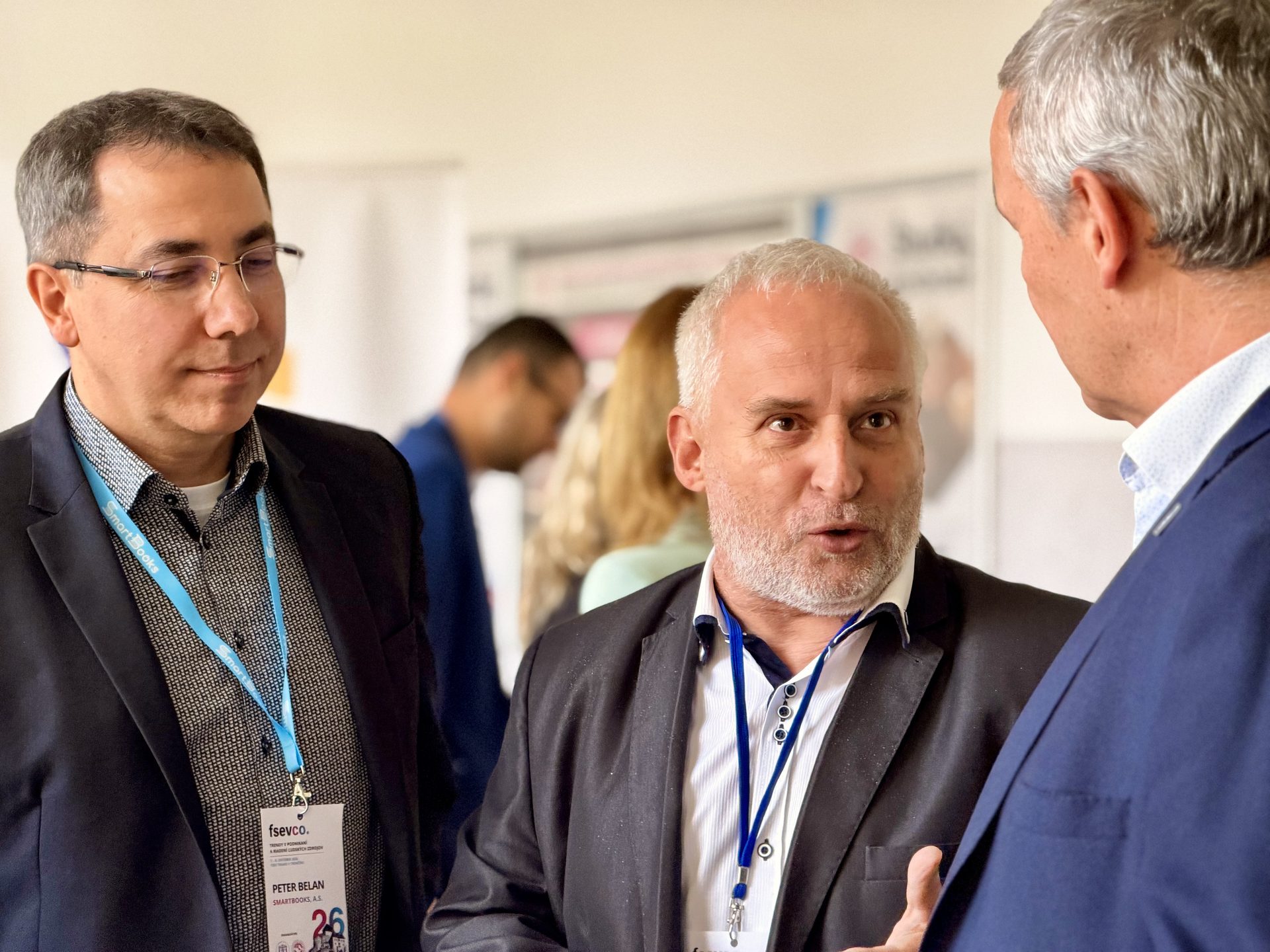
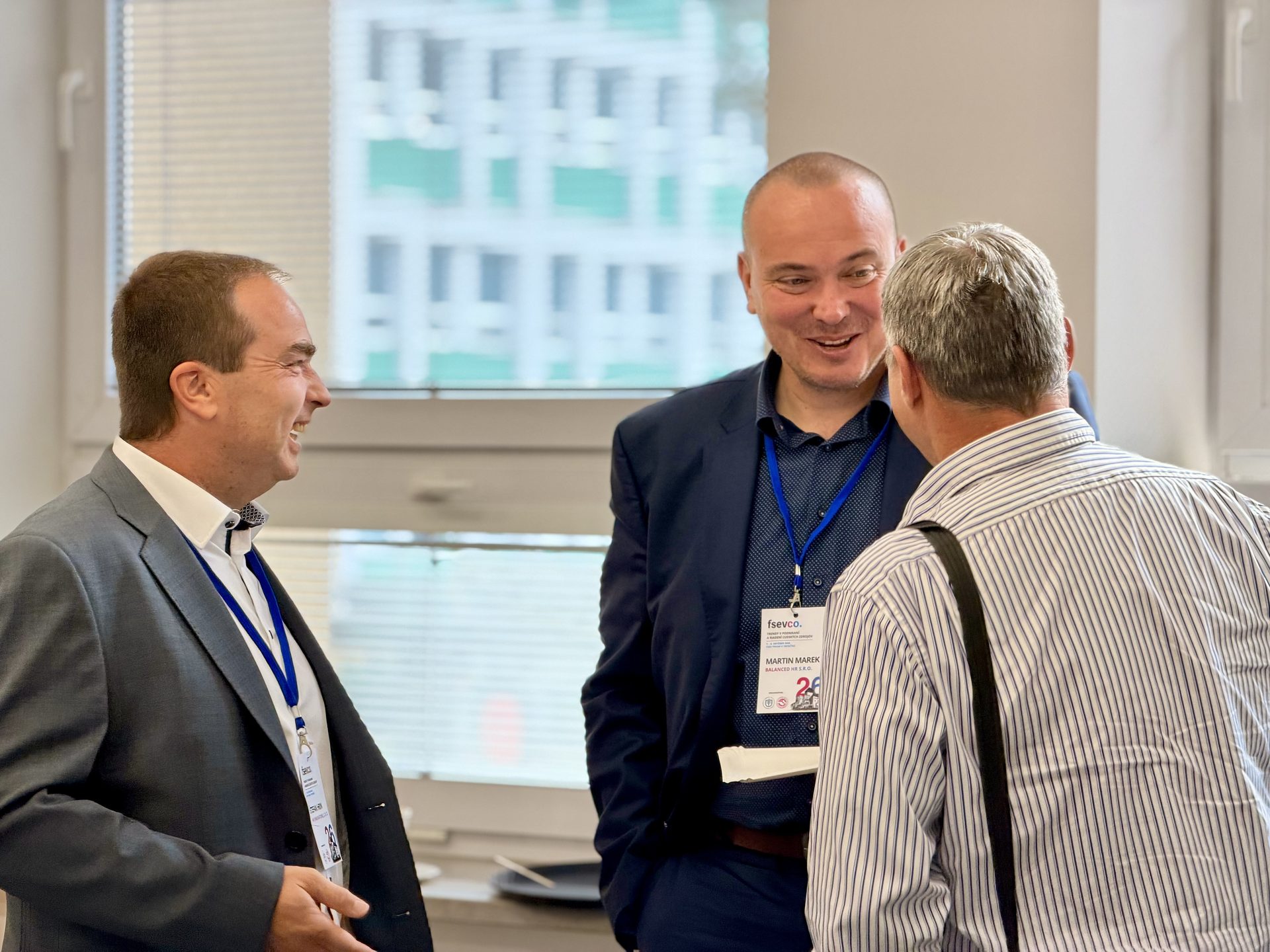
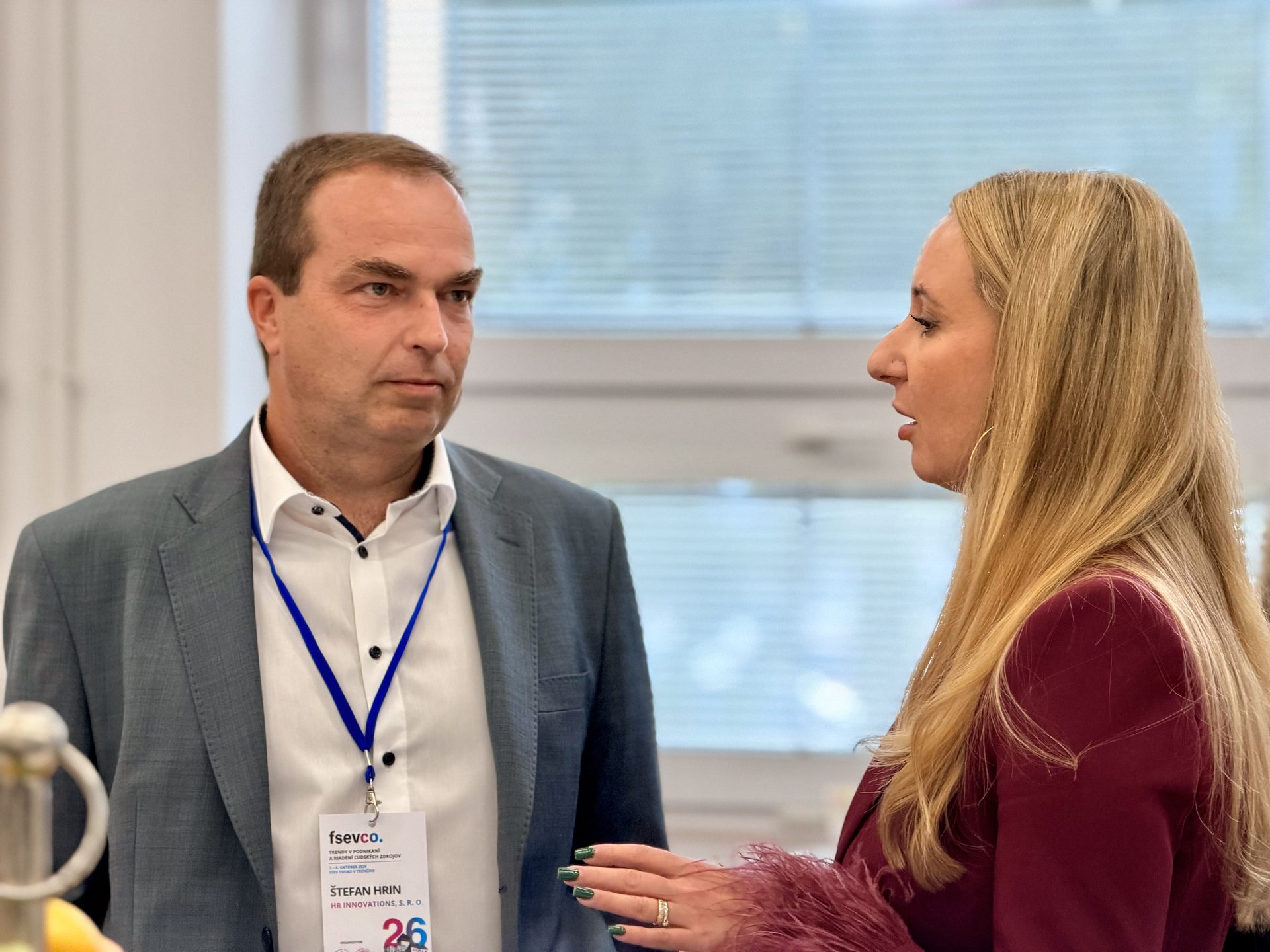
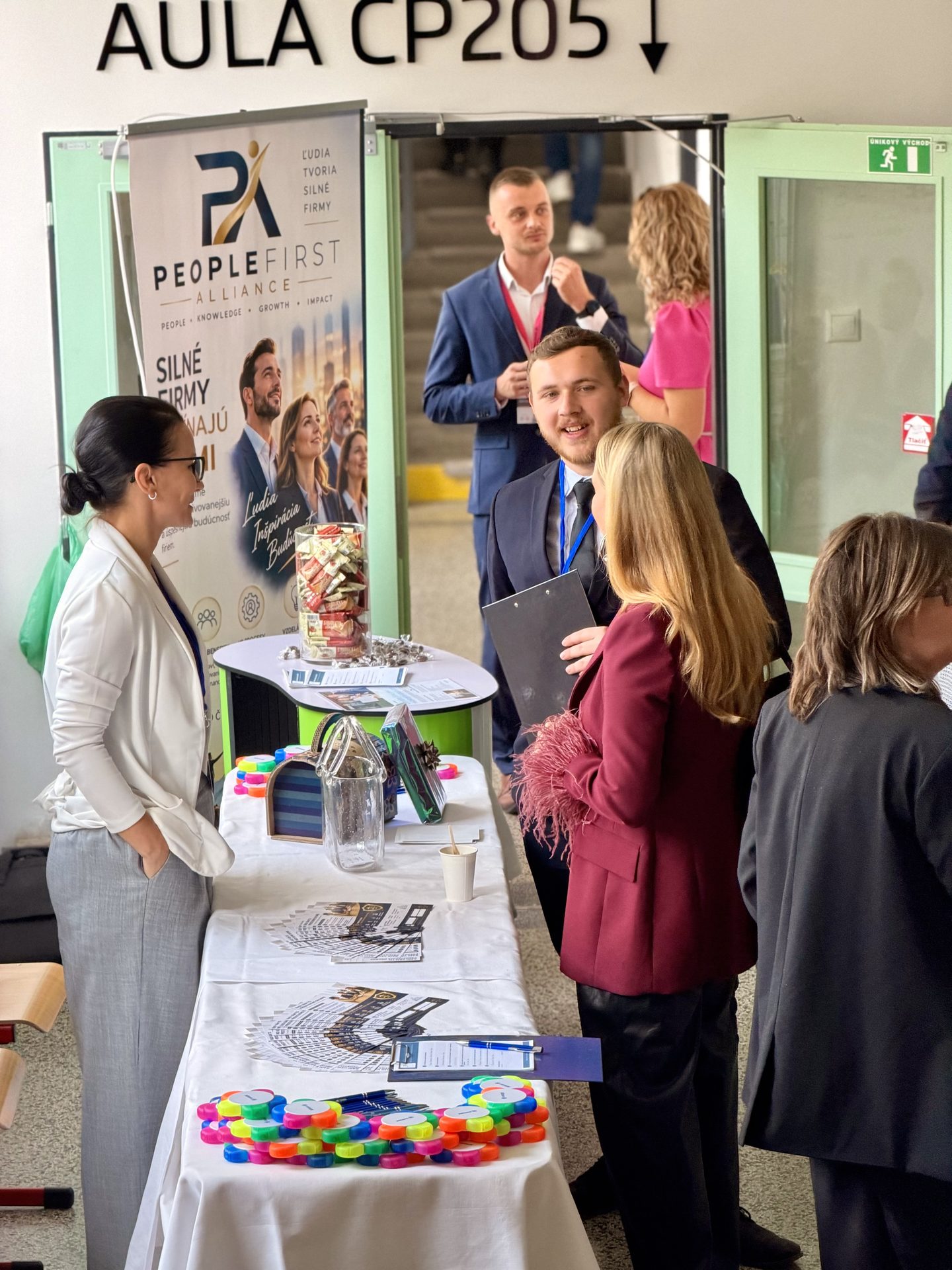
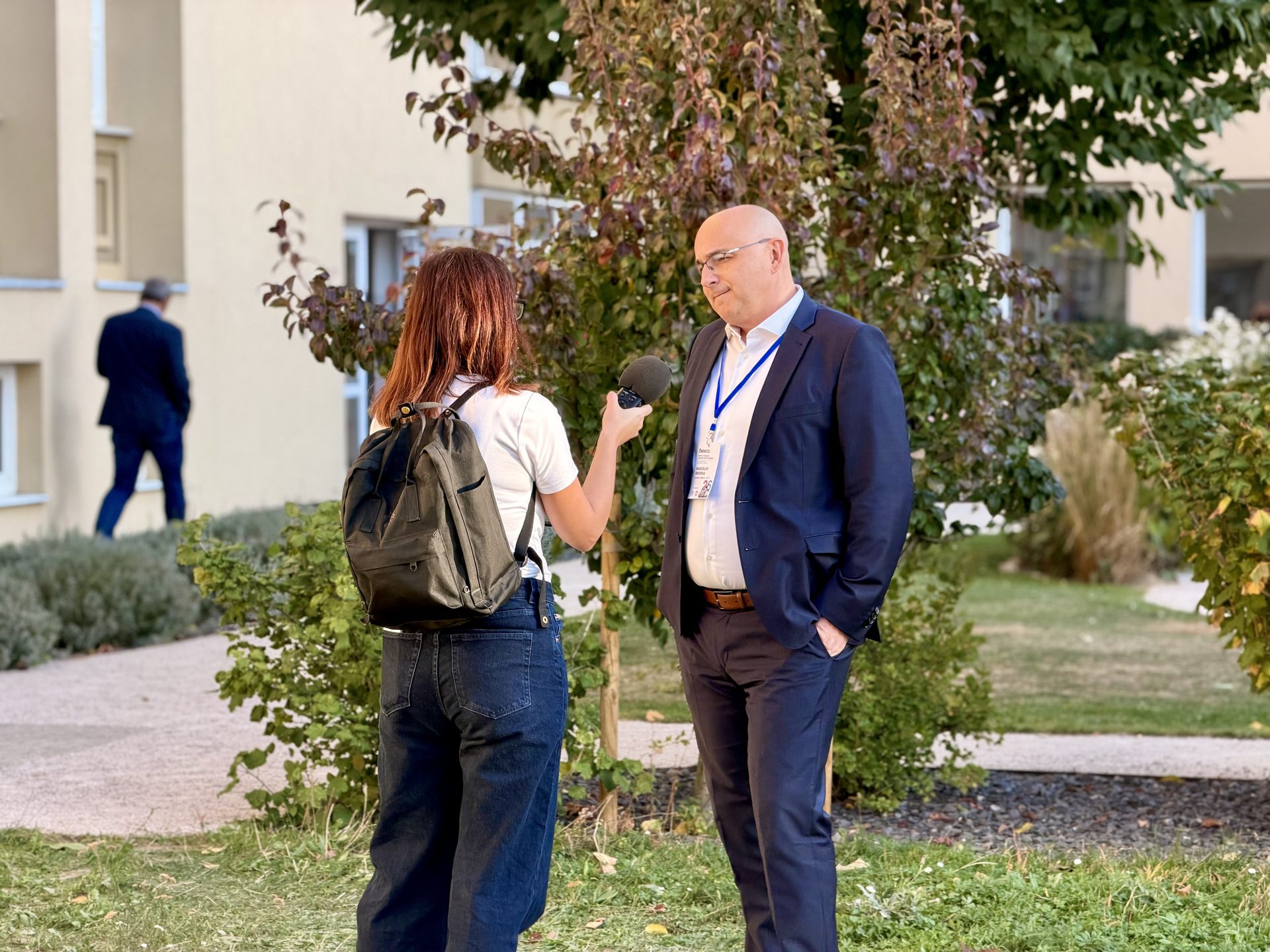
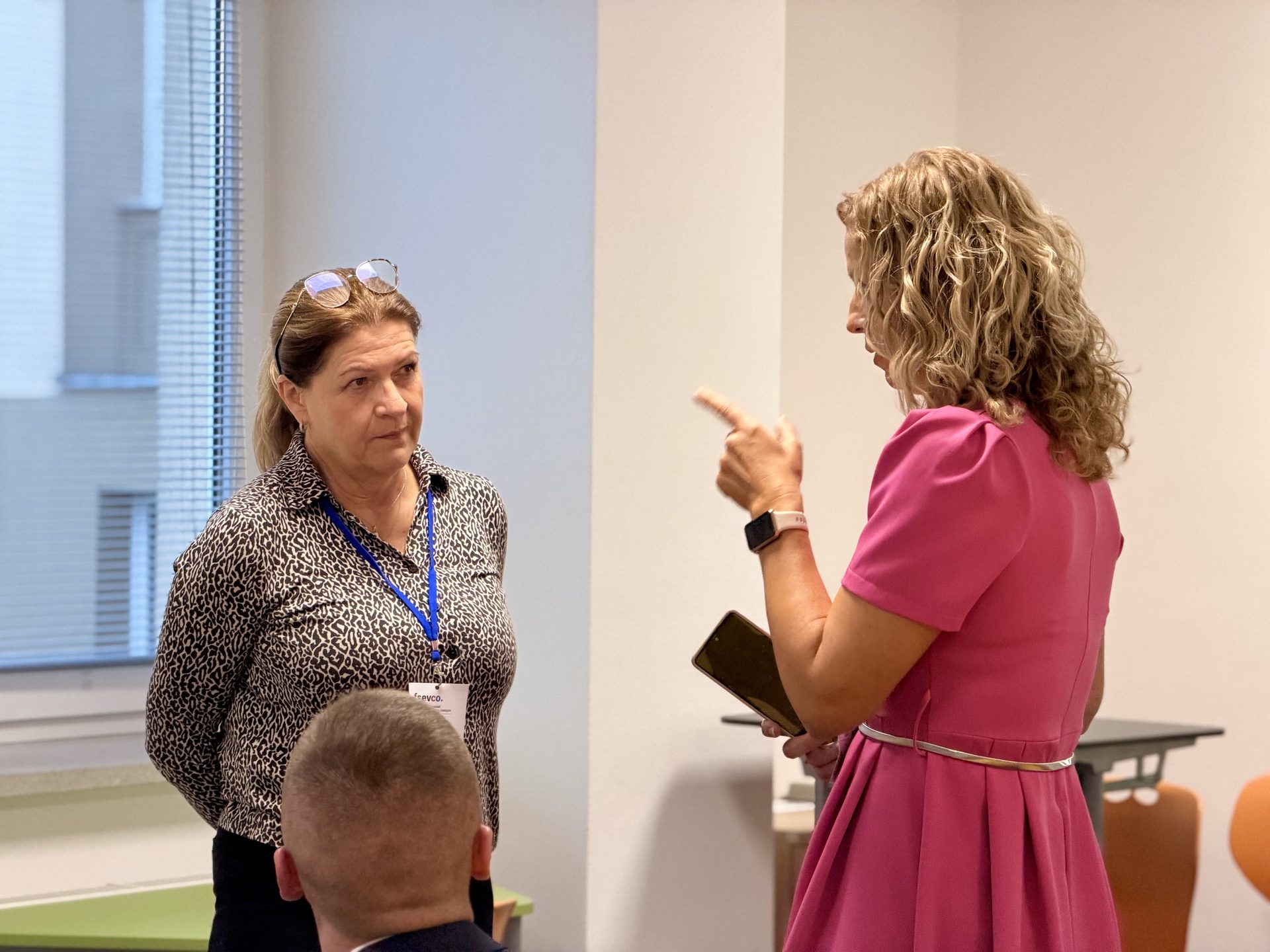
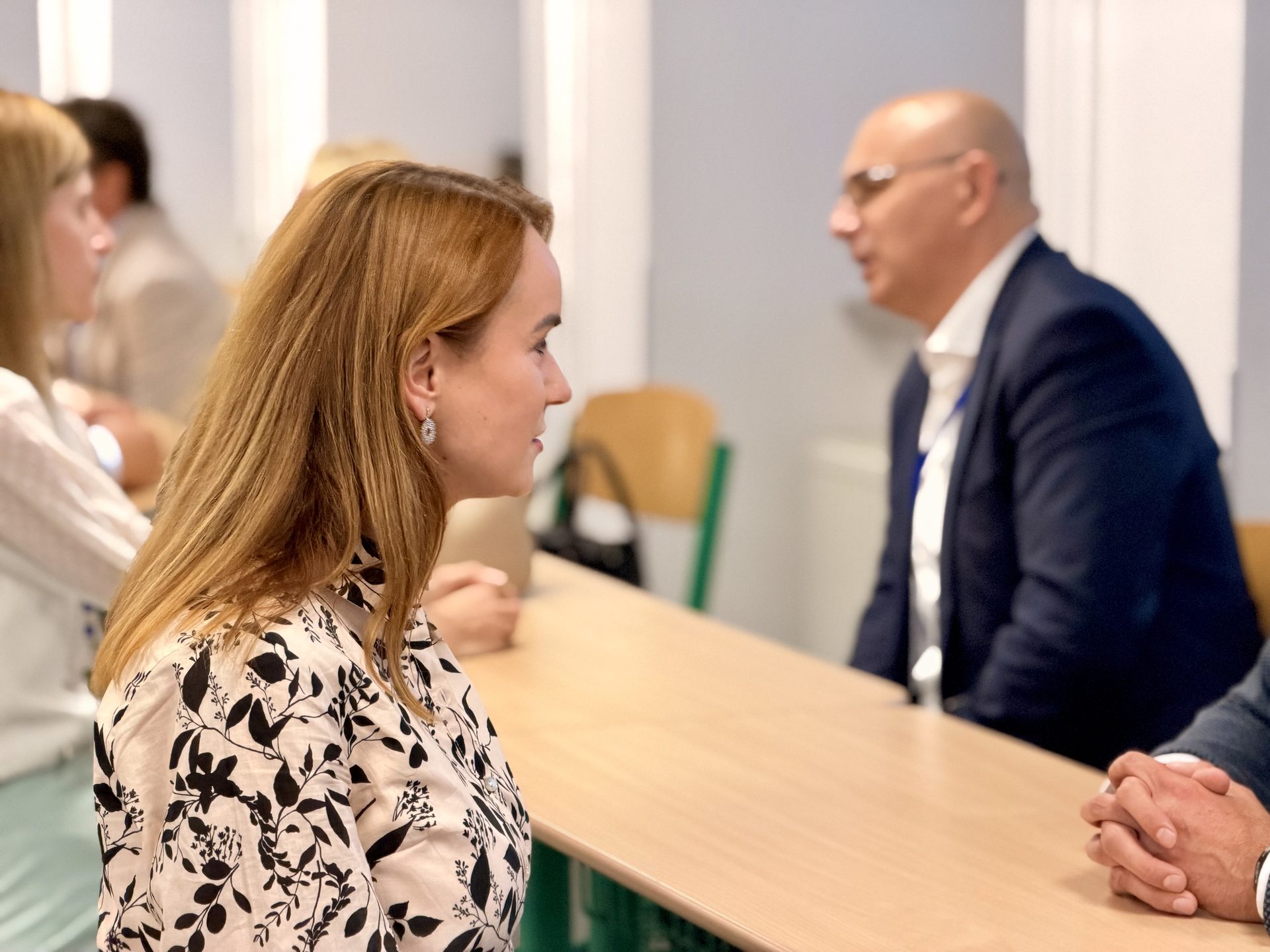
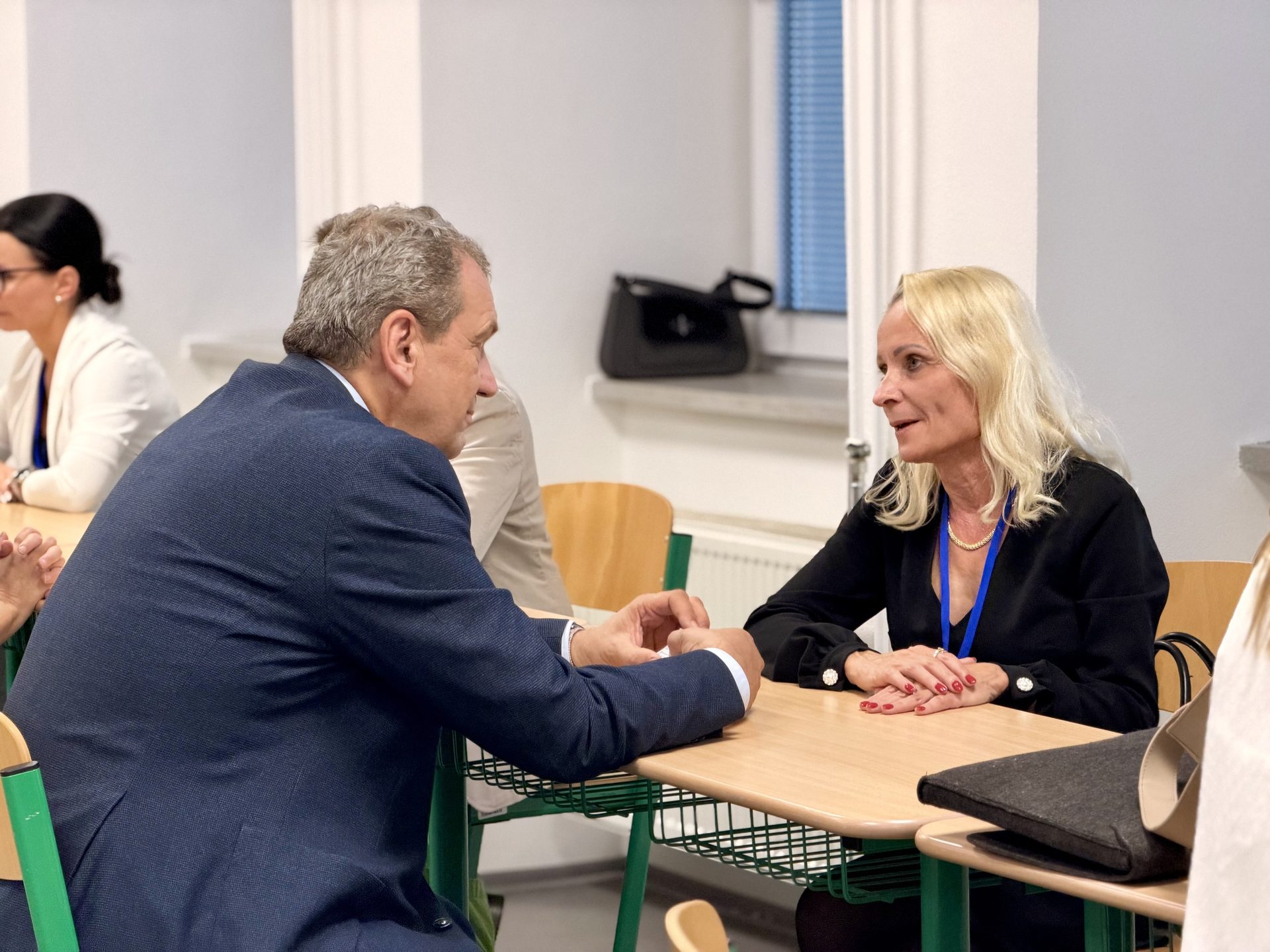
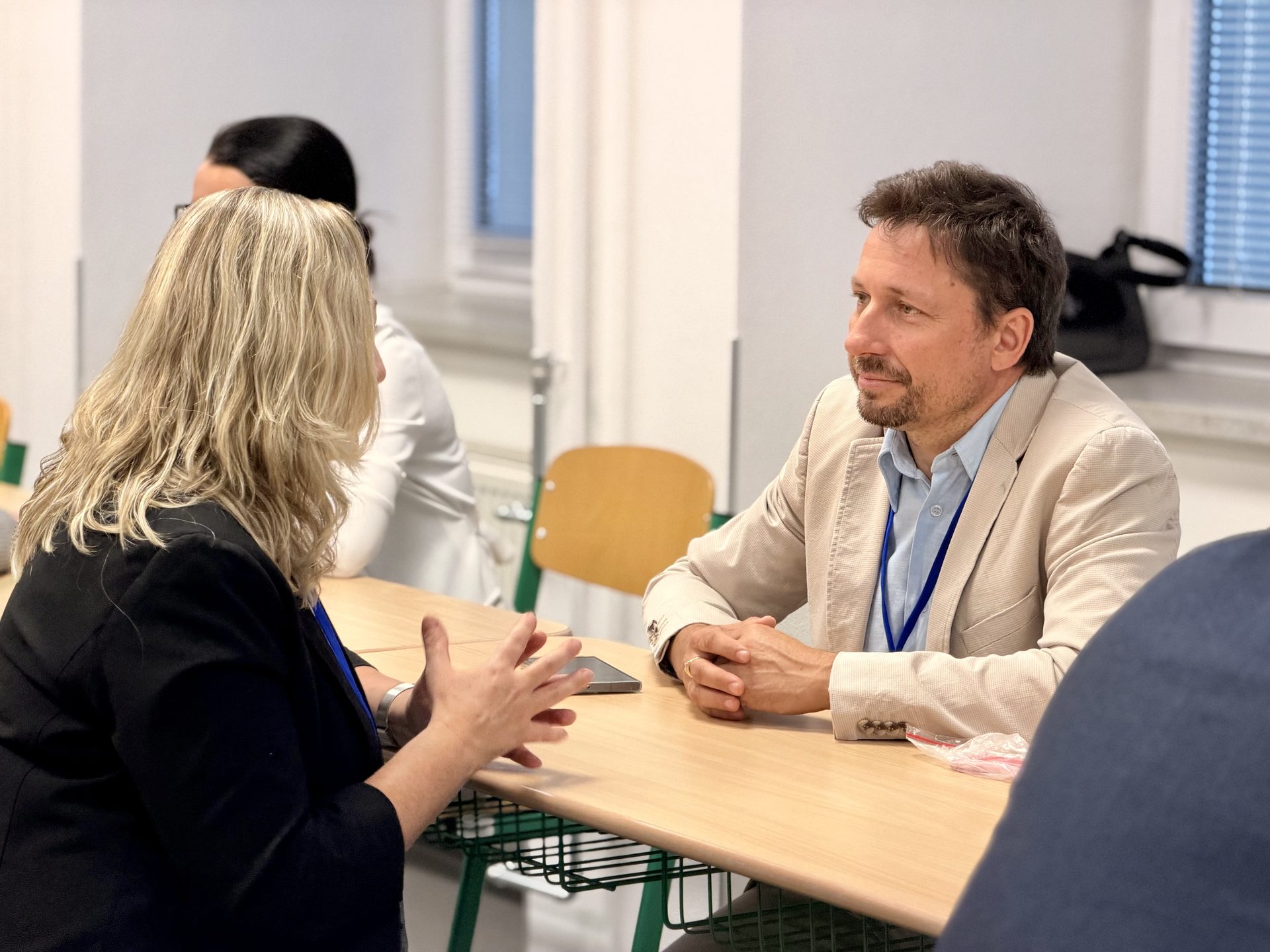
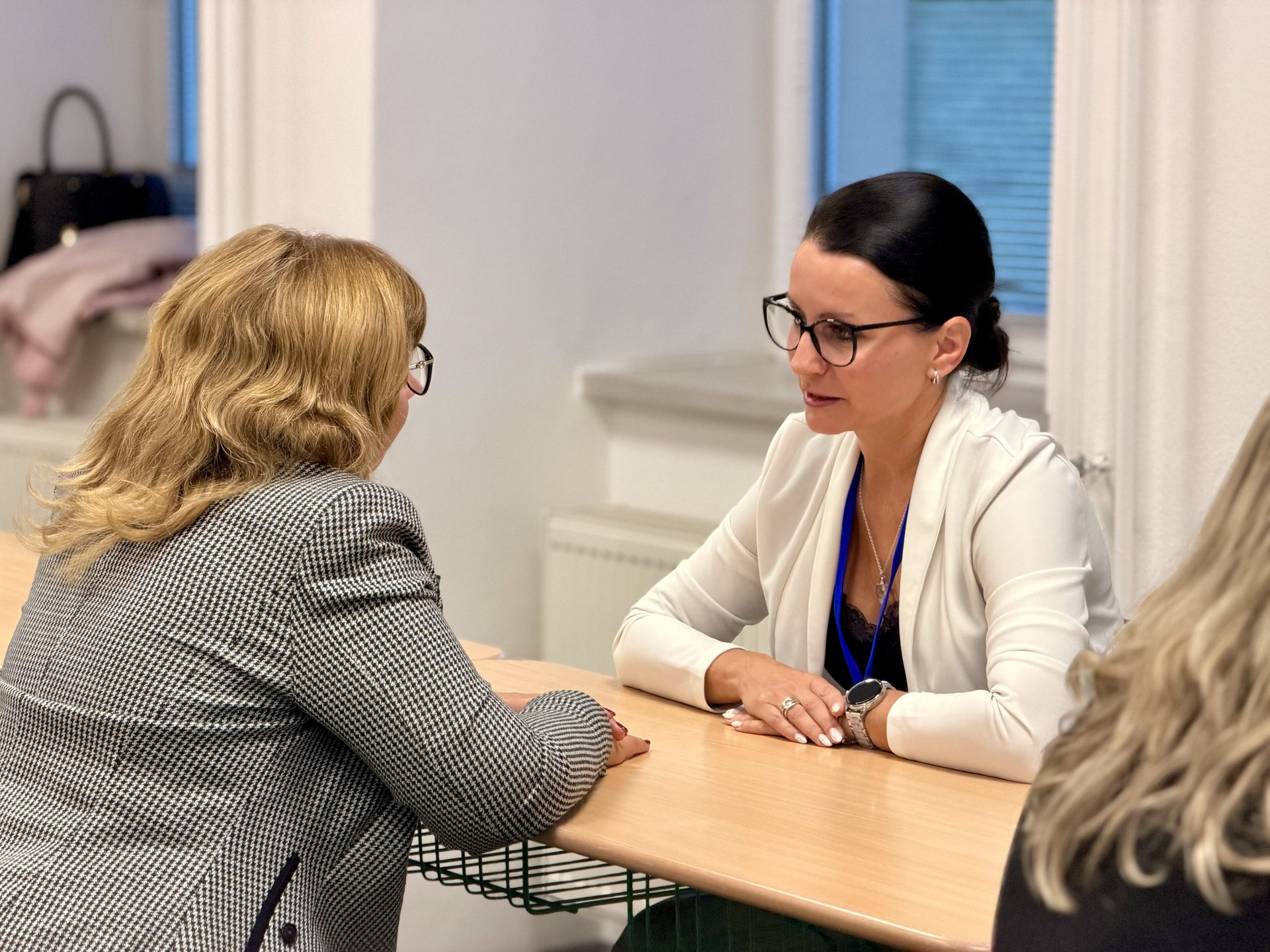
However, FSEVCO 2026 was not solely about expert presentations and the formal programme. Personal encounters, informal conversations, and networking also played an important role, enabling participants to establish new professional contacts, discuss shared interests, and explore opportunities for collaboration. These interactions often mark the beginning of new initiatives, research projects, or partnerships between academia and the business community. The conference therefore provided a space not only for sharing knowledge, but also for building relationships based on mutual trust, expertise, and a shared commitment to advancing their respective fields.
Another important feature of the conference was its openness to different forms of professional communication. The combination of lectures, moderated discussions, interactive formats, and informal meetings encouraged participants to engage more actively with the programme and contribute to the exchange of ideas. In this way, FSEVCO continues to develop an approach in which participants are not merely members of an audience, but active contributors to a broader professional dialogue. Such an environment fosters new ideas, critical thinking, and mutual learning, all of which are essential for the development of both scientific and business communities.
The third edition of the conference also marked another step in establishing the FSEVCO brand as a long-term platform for bringing together experts from different fields. Building on the experiences of previous editions, the event continues to evolve around its core values of expertise, openness, cooperation, and the practical applicability of knowledge. FSEVCO creates an environment in which academia becomes more closely connected with the needs of practice, while the business community gains access to current scientific knowledge and fresh perspectives. This mutual exchange represents one of the conference’s most significant contributions.
Looking back at FSEVCO 2026, however, it is not only the professional topics and ideas that remain memorable, but also the atmosphere of the event itself. Shared discussions, personal encounters, the exchange of experiences, and numerous informal moments helped create a conference experience whose value extends far beyond the two-day programme.
Our sincere thanks go to all participants, speakers, distinguished guests, partners, collaborating organisations, and members of the organising team who contributed to the success of FSEVCO 2026 through their participation, expertise, and support. Their involvement confirms the value of creating opportunities for meaningful dialogue and cooperation and represents an important foundation for the conference’s continued development.
FSEVCO 2026 has come to an end, but the ideas, connections, and opportunities it generated will continue to grow. Every new encounter, professional discussion, or partnership has the potential to become the starting point for collaboration that delivers tangible results in the future.
We look forward to meeting again in October 2027, when FSEVCO will once again bring together science, business, and people who share the ambition to push the boundaries of knowledge and practice.